
 E-Paper



Delhi rape: Police officers list similarities with Dec 16 gang rape incident
Delhi Police officers probing the horrific sexual assault of the 10-year-old boy, who died at a city hospital on Saturday, said the case had some chilling similarities with the December 16, 2012 Delhi gang rape case.


Delhi Police officers probing the horrific sexual assault of the 10-year-old boy, who died at a city hospital on Saturday, said the case had some chilling similarities with the December 16, 2012 Delhi gang rape case.
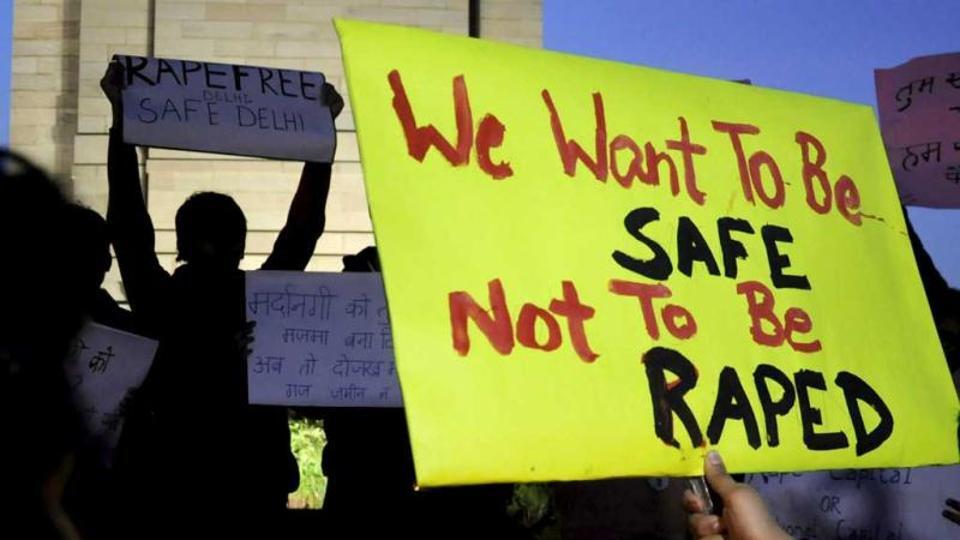
Detailing the similarities between the two cases, officers privy to the probe listed the nature of injuries – a wooden stick or rod was allegedly inserted in the boy’s private parts too, the recording of his statement on tape before his death, to the lenient punishment that the accused minor boys may be handed out.
On the evening of December 16, 2012, a 23-year-old paramedic student was gang raped and beaten inside a bus by five men and one 17-year-old boy. The six then threw her out of the moving bus. The young woman succumbed to her injuries at a Singapore hospital on December 29.
While the young woman had recorded her statement before a magistrate in 2012 and given the names of the accused, in the present case too there is a video of the 10-year-old boy describing the assault on camera. In the video, the boy has also revealed the names of the minors who assaulted him sexually.
Police officers said the maximum punishment that the three juvenile suspects may get for the murder and sexual assault of the 10-year-old, will also be similar to the 2012 Delhi gang rape case. While five convicts (all above 18) were sentenced to death, the juvenile accused in the 2012 case was sent to a detention home for three years.
All three minor accused boys in the present case are aged 10-12 years.
“In this case, two of the three juveniles have been apprehended while the third is on the run. The maximum punishment they may get from the Juvenile Justice Board(JJB) is three years at a shelter home. This is exactly the time that the juvenile accused had served at a shelter home in the 2012 gang rape case. Had the minors been between 16 and 18 they would have spent more time behind bars,” said a police officer.
Police are awaiting the final post-mortem report after which sections of murder or culpable homicide amounting to murder could be added to the FIR after discussing the findings of the report with the JJB.
Law for juveniles in conflict with law
Amod Kanth, former director general of Arunachal Pradesh and also former chairperson of Delhi Commission for Protection of Child Rights, said that under the Indian Penal Code, a child below seven years cannot be apprehended irrespective of the crime they are involved in. In 2017, the police had filed a case of sexual assault, in which the mother of the victim had said that a four-year-old boy was involved in the case. A year later, the cases were dropped.
Experts said that under section 82 of the Indian Penal Code – nothing is an offence if it is done by a child below 7 years.
“For children between 8 and 12 years, the Juvenile Justice Board (JJB) decides if the minor is to be treated as a child in conflict-with-law. It depends on the maturity level of the child. The JJB will take help of experts and decide this. It is on the recommendation of the JJB that police may apprehend a minor between 8 and 12 years. But in case of a minor between 12 and 18, he/she is deemed to be treated as a child in conflict with law and could be apprehended by the police. The proceeding is then handled by the JJB,” said Kant.
Kant, who served in different senior roles in Delhi police for over three decades, and runs an NGO Prayas, added, “In this case, because the minors are between 8 and 12, the maximum time for which they can be kept in a juvenile home is 3 years. In rare cases of heinous crime, there should be a system to keep some children under surveillance post the 3 year period. It will help to track the progress of the child.”

Stay updated with all top Cities including, Bengaluru, Delhi, Mumbai and more across India. Stay informed on the latest happenings in World News along with Delhi Election 2025 and Delhi Election Result 2025 Live, New Delhi Election Result Live, Kalkaji Election Result Live at Hindustan Times.


