E-Paper



Delhi’s north civic body reduces fee for cell phone towers
Earlier, the operators were expected to pay 25% extra fee, per mobile tower site, in case the plan to share the towers

 Prefer HTon Google


The North Delhi Municipal Corporation on Wednesday approved a 40% reduction in the fee levied for installation of telecom network towers, a move that could help improve cellular connectivity in areas under the north civic body.
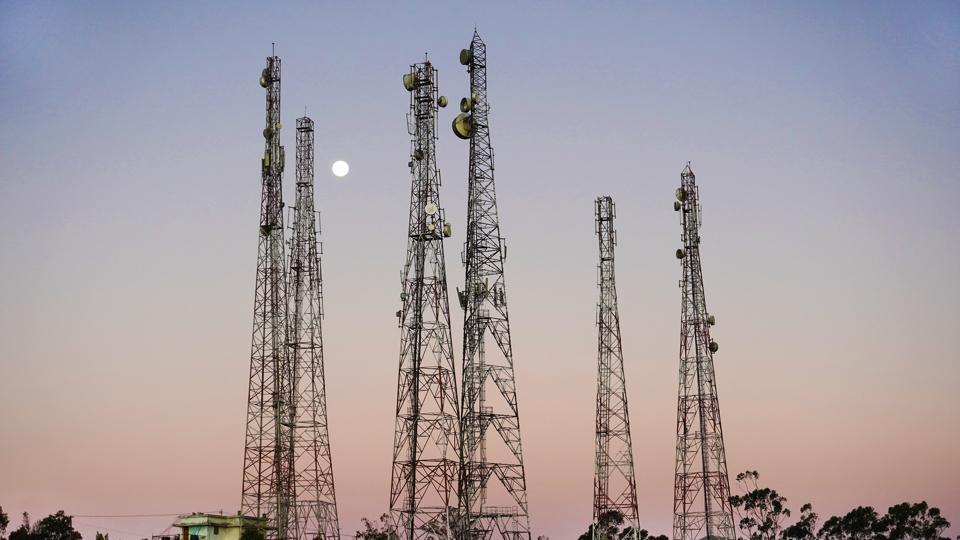
The standing committee, the top decision making body of the corporation, approved a plan for cellular operators and telecom service providers in the area to be required to pay a fee of ₹3 lakh for five years for each tower, down from ₹5 lakh earlier.
The South Delhi Municipal Corporation had also reduced rates in July, earlier this year, based on a settlement reached with the cellular operator association and telecom infrastructure providers.
Earlier, the operators were expected to pay 25% extra fee, per mobile tower site, in case they plan to share the towers. “Under the new regime, the extra fee for mobile tower sharing has also been removed,” the official explained.
Now cellular operators will have to pay a fee of ₹3 lakh for 5 years for rooftop and on the ground towers irrespective of sharing. For pole sites less than 12 metres high, a fee of ₹25,000 will be levied for a period of 5 years, but if the height exceeds 12 metres, the operator will have to pay a fee equal to that fixed for towers ( ₹3 lakh).
Jogi Ram Jain, the standing committee chairman of the north corporation, said the rates have been reduced to bring a uniformity in the rates with the south corporation. “We had also received directions in this regard from the Union communications ministry. This may lead to reduction in revenue, but it will ultimately help to strengthen the mobile connectivity,” Jain said.
Installation of mobile towers, especially the cell on wheels, has lately become a contentious issue with resistance to new installations being observed from resident welfare associations. Last month, more than 56 resident welfare associations (RWAs) in south Delhi also petitioned the south corporation on problems regarding the new mobile cellular towers while demanding a more consultative process to fix the locations.
However, Delhi continues to face poor mobile connectivity issues. Last year, the Cellular Operator Association of India stated that Delhi has over 28,000 towers and 16,680 km of fiber network and in order to resolve the connectivity issues, the city needs over 18,000 additional towers by 2024.