
 E-Paper



Doctors look back at the past for a better future
On National Doctors’ Day, today, healthcare workers shed light on the lessons they learnt from the pandemic


Since Covid-19 struck, the medical fraternity has been at the forefront of the battle, despite the challenges. From dealing with physical, mental and emotional pressures and fear of transmitting the virus to their families to never-ending shifts and adapting to digital consultations — all this while coping with personal losses, health care warriors went beyond the call of duty. On National Doctors’ Day, a few recall what the year taught them and what’s in store for 2021.
Dr Rajeev K Sharma
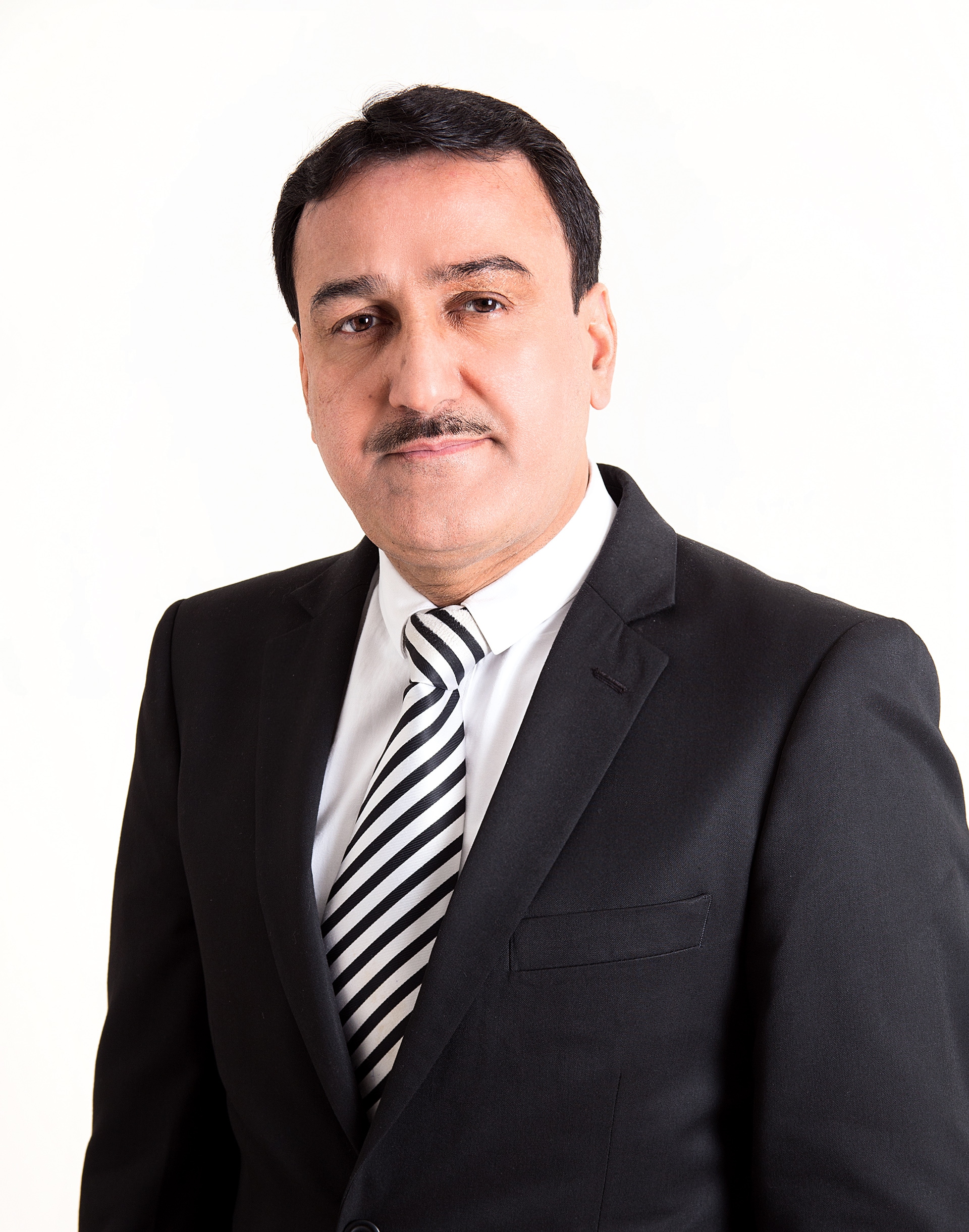
“In Covid-19 times, one thing we learnt was that we could forget that one is an orthopaedic surgeon or a cardiologist — all of us worked as doctors. We tried to advise our patients, friends and the community about how to protect themselves. The patients who had undergone operations, we checked in with them via calls and messages. The other challenge was delay in surgeries for those being admitted for elective surgeries like joint replacement as some of them had Covid-19 symptoms or were RT-PCR positive. And the chances of complications in such patients are plenty. I also feel that e-consultations should become a part of our life. And I think that, we need to stay prepared for the third wave. Social distancing and frequent hand washing should remain a part of our lives. Also, everybody should get vaccination,” shares Dr Rajeev K Sharma, chairman, Institute of Orthopaedics, Moolchand Medcity.
Dr Anupam Sibal
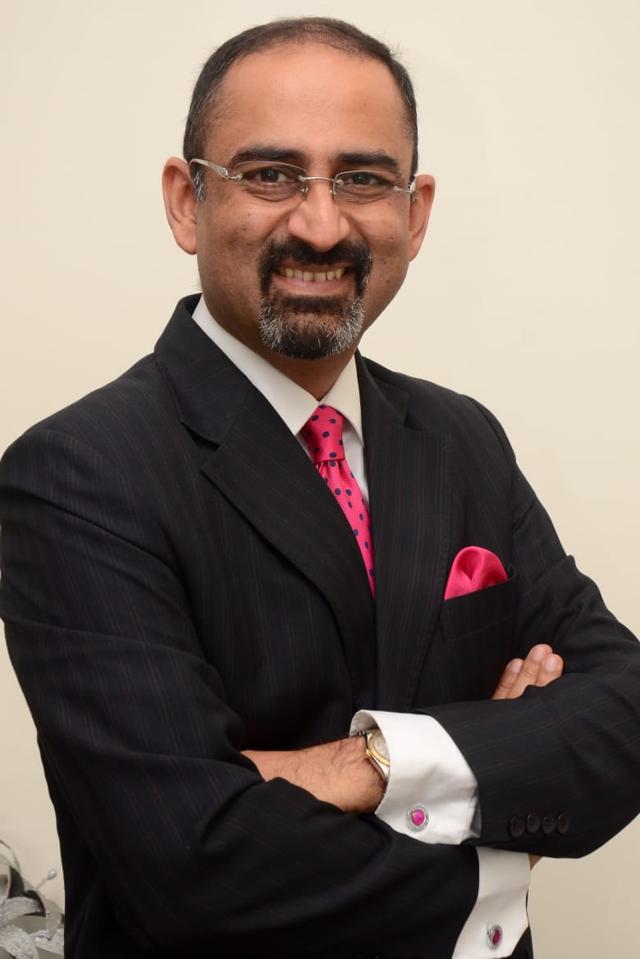
“The pandemic showed us how fragile our existence can be. It taught us to value our health. An annual health check is non-negotiable, and lifestyle changes need to be made. Another lesson was getting the work-life balance right. From the age of 18 till 24 (or 27 or 30 depending on training), doctors’ lives have been about studying and hospital duties. After that, it has been about patient care and updating knowledge. Finding time for other pursuits was never a priority. Nearly 1,500 doctors have sacrificed their lives fighting the pandemic. Their loved ones would have wanted them to spend time with their families, participating in what would be routine for most but is a luxury for doctors – anniversaries, birthdays, get-togethers. Another lesson was practising gratitude. One realised, more than ever before, the privilege we have of bringing back a smile and lending a shoulder. This pandemic also taught us humility and showed how little we have in our control. I learnt so much from not just medical staff but house keeping staff and technicians, who thought of new ideas to utilise resources, putting the goal of saving lives above all,” says Dr Anupam Sibal, group medical director and senior paediatrician, Apollo Hospitals Group.
Dr Manish Kulshrestha
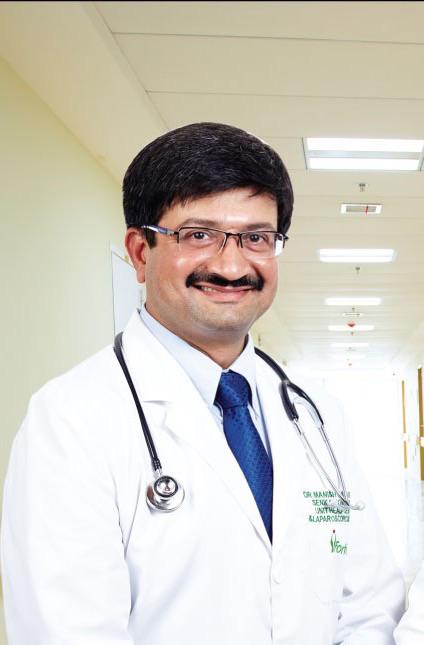
“Last year, everything was new and no one was ready. I’d say the country’s entire healthcare system crashed. Healthcare professionals were burnt out. We were scared for our families. Surgeries were exhausting — we could not breathe well, there was a lot of sweating in PPE kits and face shields would get fogged. Tele-consultation was a new thing for us. We were glad to get vaccinated and thought the pandemic would end but then the virus mutated. I got infected, too, but symptoms were mild due to the jab. We overcame this together... Hospitals also conducted mental health sessions. The vaccine now gives us some hope. But we must not be complacent,” says Dr Manish Kulshrestha, general and laparoscopic surgeon, Fortis Hospital, Shalimar Bagh.
Dr Deepak Gupta
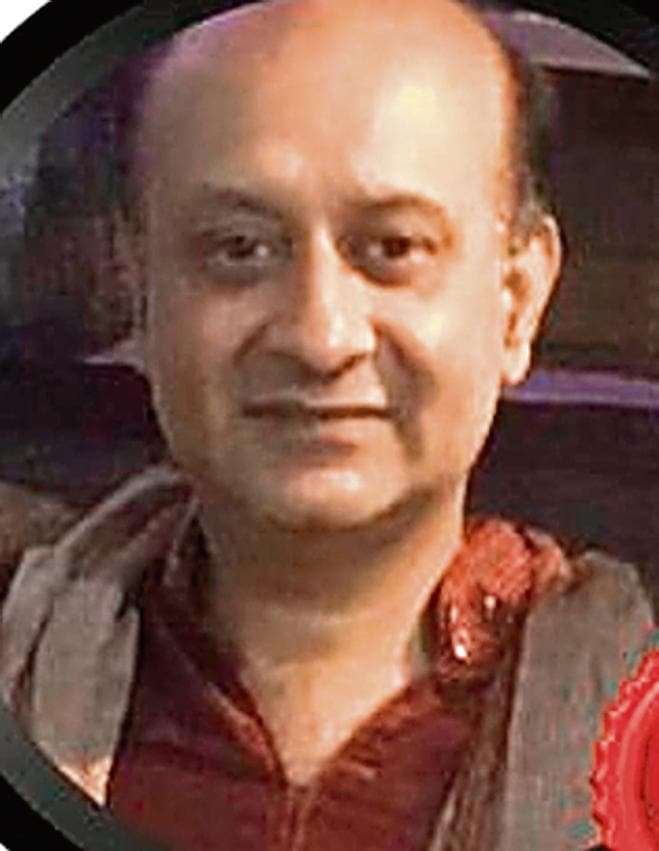
“Fighting disease and death, this is what medical professionals go through, and SARS-CoV-2 was an onerous challenge. Late night online consultations , emergency treatment and wearing PPE suits for long hours was very challenging, but as doctors we have a duty to work regardless of the circumstances. When there was a shortage of beds and oxygen, I gave the patients the right medication and counselling to do their best at home. And I am happy to say that despite many cases in my area, there was no casualty. In our hospital, too, as I deal with tuberculosis patients, there were many patients who had Covid-19 themselves or a family member did. I counselled them with the right advice and there is no casualty amongst them, too. And I personally believe that with the right medications, precautions, care and trust, we can easily overcome Covid-19,” says Dr Deepak Gupta, who is a medical consultant at Safdarjung Hospital.
Dr Rashmi Sharma
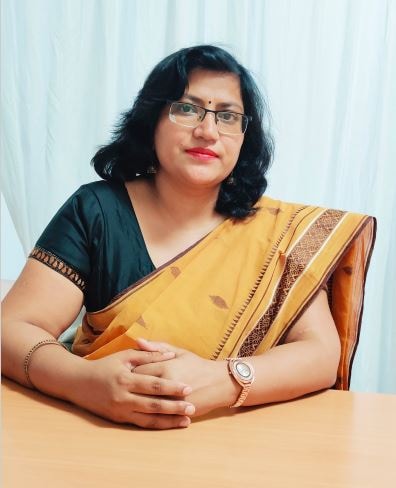
“In the first wave, we lost a lot of doctors, para medical and medical staff. This time, too, there were challenges, but damage was a little less as many health professionals had been vaccinated. But the pandemic brought into notice the poor condition of health infrastructure. Even after putting in so much dedication, extended work hours, and putting own lives at risk, the blame comes on medical and para medical staff, who remain underpaid. Patients are losing faith in medical professionals, which is followed by violence against doctors in the form of assaults and threats. All of this leads to a defensive attitude. There needs to be stricter laws in place,” shares Dr Rashmi Sharma, director, Origyn Fertility and IVF, New Delhi, and joint editor, Indian Fertility Society.
Young warrior on duty
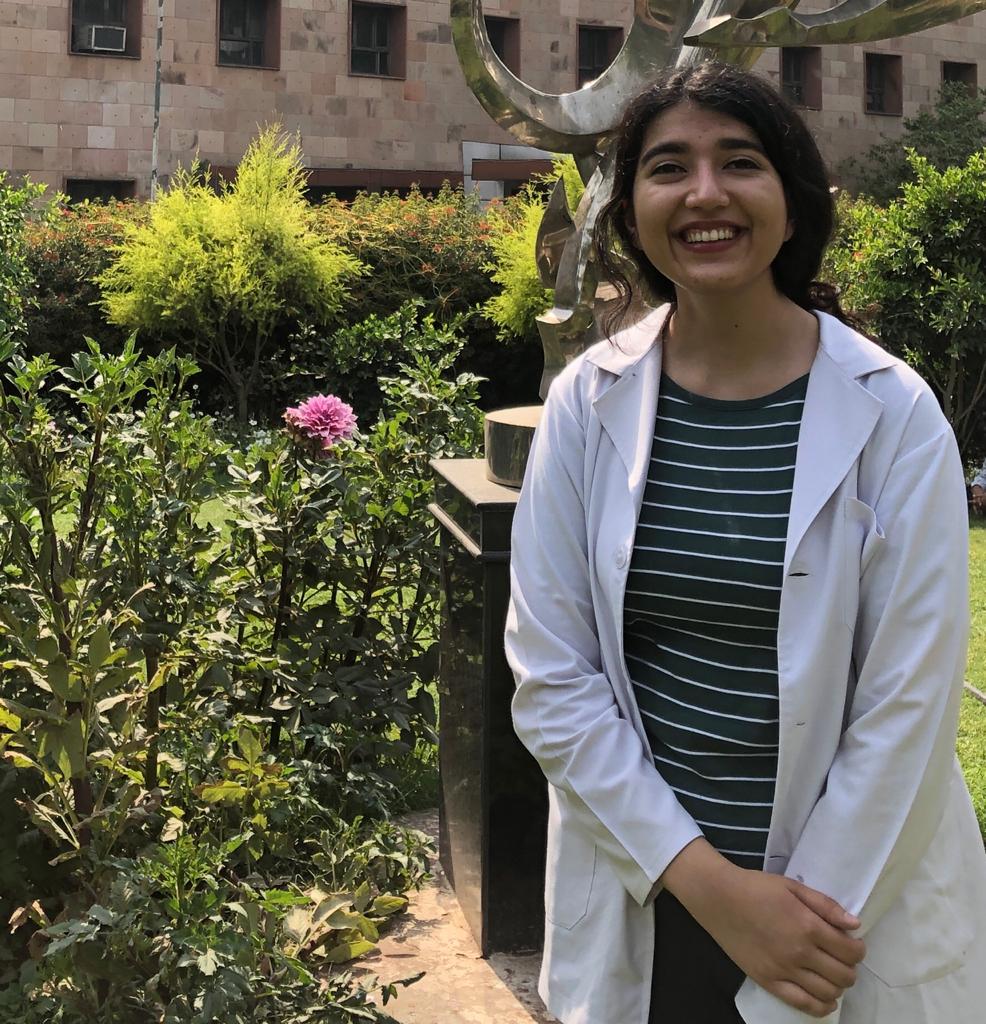
“The year gone by has been difficult and to start my internship during the peak of the pandemic was almost like trial by fire. Due to the immense number of cases, we did Covid-19 duties. We came face-to-face with human misery and also witnessed people give their all to come out of it and frantically arrange for resources amid the panic. So, at a very young stage of our careers, we were filled with sorrow, seeing first-hand many patients die in front of our eyes and breaking the news to the anxious relatives. The next few months also seem to be very challenging since it has been reported that the virus is mutating and is at times also able to evade the immunity provided by the Covid-19 vaccination. I hope our system is able to ramp up the facilities so that we don’t face similar problems of shortages like we did in the second wave. The healthcare workers have worked relentlessly to save the lives of patients, so we as young doctors will draw inspiration from the healthcare workers around us, and also work our hardest in any time of crisis or challenge,” says Dr Noor Dhaliwal, currently an intern at Lok Nayak Hospital.

Stay updated with all top Cities including, Bengaluru, Delhi, Mumbai and more across India. Stay informed on the latest happenings in World News along with Delhi Election 2025 and Delhi Election Result 2025 Live, New Delhi Election Result Live, Kalkaji Election Result Live at Hindustan Times.


