
 E-Paper



During Delhi’s Master Plan 2041 public hearing, DDA’s ‘haste’ draws flak
The DDA has divided the public hearings, which are being held online between October 18 and November 10, into nine parts. On Monday, DDA officials invited over 1,200 people to discuss MPD-2041 chapters related to economy, shelter, environment, transport and mobility, and physical infrastructure

 Prefer HTon Google


From noise pollution concerns to problems with mixed land use policy, the issues raised by residents on Monday, during the third public hearing on the draft Master Plan of Delhi 2041 (MPD-2041), touched upon the five key subjects of economy, shelter, environment, transport and mobility, and physical infrastructure.
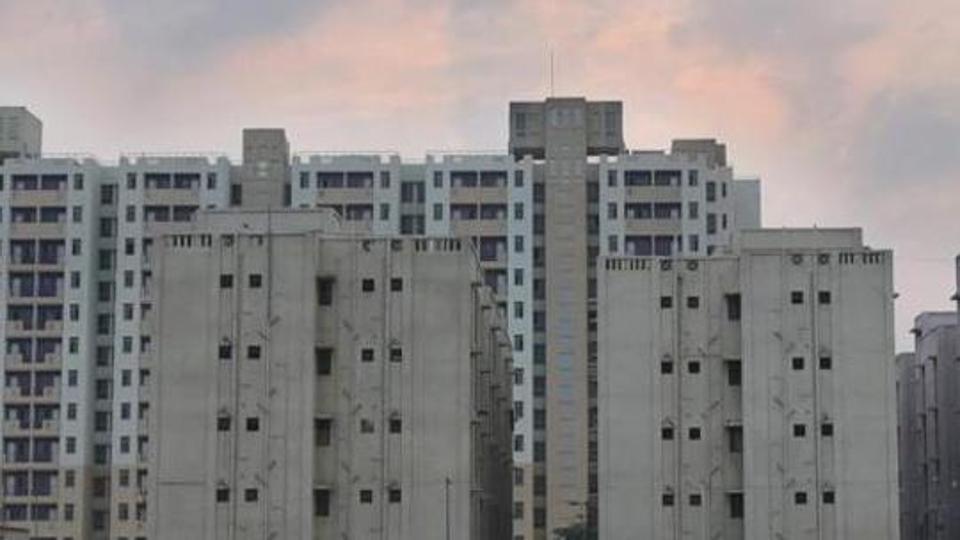
The Delhi Development Authority (DDA) has divided the public hearings, which are being held online between October 18 and November 10, into nine parts. On Monday, DDA officials invited over 1,200 people to discuss MPD-2041 chapters related to economy, shelter, environment, transport and mobility, and physical infrastructure.
The draft MPD-2041, which is the vision document for the city’s development for the next two decades, was put in the public domain in June this year.
During the hearing, many questioned the urgency shown by the DDA in completing the entire public consultation process in a hasty manner to finalise the master plan.
“The DDA plans to decide the future (the development over the next 20 years) of Delhi citizens in 20 seconds. When there are no Covid restrictions, why is the DDA insisting on holding public hearings online? Why do they want to rush everything? Those belonging to the economically weaker sections are unable to present their views, as they don’t have the equipment or access to internet,” said Vishal Ohri, general secretary, LSC Federation of Delhi, a traders’ body.
Refuting the claims made by residents, a senior DDA official said on condition of anonymity, “This is incorrect. All people were given adequate time. Many of them spoke multiple times also.”
BS Vohra, president of East Delhi RWA joint front, said he got less than two minutes to put forward his point before DDA officials during the public hearing. Vohra said the entire process is faulty, as the DDA has no data or assessment on existing population, housing, transport requirement, water availability and increase in demand. “They are planning for the next 20 years based on the 2011 Census data. The DDA doesn’t have any data about existing housing. What is the projected demand for housing? How will the water requirement be met? These are questions that DDA should answer first. The MPD should link provision for new developments to availability of water,” said Vohra.
Another pressing concern raised by residents’ welfare associations was regarding the provision of mixed land use. Rajiv Kakria, convener of Save Our City campaign, said, “Despite the strong protest of all RWAs and observations by multiple courts, the DDA has not done away with the provision of mixed land use. This provision will turn entire Delhi into a marketplace. This non-stop commercialisation of residential areas needs to stop.”
Other RWA members and trader bodies of planned commercial complexes also raised the issue. They said planned commercial centres will not develop if the conversion of residential property for commercial use is allowed.
From the Walled City (Old Delhi) areas, traders demanded that the new MPD-2041 have the special area regulations so that properties are protected from the stringent action taken by municipal corporations. “Due to ambiguity in master plan provisions, traders have to live in the fear of sealing. The MPD-2041 should clearly state provisions for pre-1962 markets and properties in Walled City,” said Sanjay Gupta, who has an office in Chandni Chowk.
The draft MPD-2041 proposes new policies such as redevelopment of unauthorised colonies, provision for night time economy, promoting nightlife etc. But people said the land-owning agency should fix a timeline for implementing these policies.
Bhupender Bazad, member of master plan committee, Delhi Dehat Vikas Manch, said, “There are so many policies such as transit oriented development, land pooling etc., which were proposed in 2013 but are yet to see the light of the day. What’s the point of planning policies, when there is no mechanism in place to ensure its timely implementation? It is the people who suffer due to lack of implementation of policies.”


