
 E-Paper



New Delhi residents, traders up in arms over hiked power bills due to 50% surcharge
They alleged that surcharge rate in areas under the New Delhi Municipal Council (NDMC) were much higher than the rates in other parts of the city

 Prefer HTon Google


New Delhi
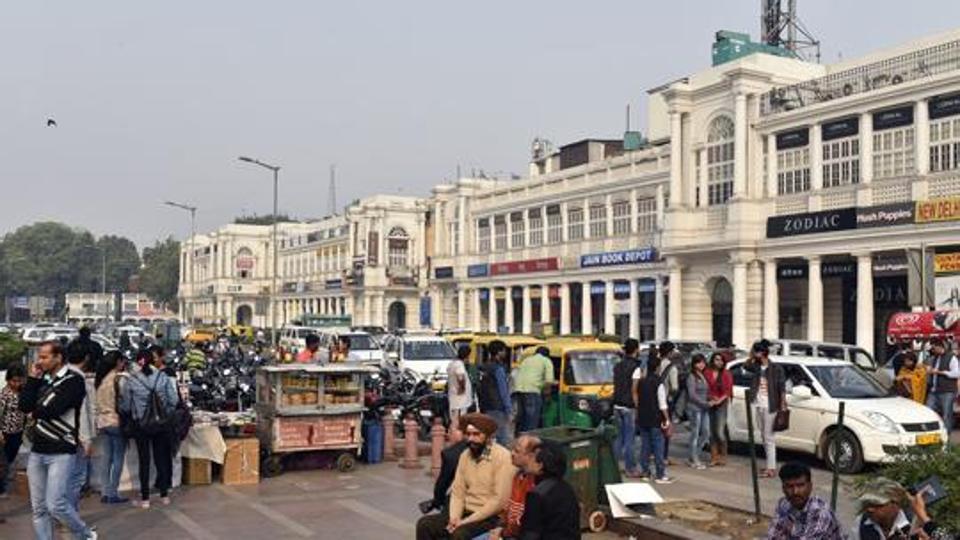
Domestic and commercial power consumers in New Delhi areas are up in arms over the alleged “steep increase” in electricity surcharge, from around 15% last year to as much as around 50% this year through a series of hikes, which has led to increased power bills for consumption over the past two months.
They alleged that surcharge rates in areas under the New Delhi Municipal Council (NDMC) were much higher than the rates in other parts of the city. To be sure, HT on May 13 reported that DERC (Delhi Electricity Regulatory Commission) has approved revised PPAC (power purchase adjustment cost) of 13.33% for BYPL, 13.54% for BRPL, and 19.22% for TPDDL.
PPAC is a surcharge added to electricity bills in Delhi to account for fluctuations in power purchase costs due to high demand, particularly concerning fuel prices. Discoms pass on the additional cost of buying expensive power to consumers during peak demand periods.
NDMC officials maintained that prior approval was taken from the DERC. “We have done the changes as per norms following the process stipulated by the power regulator DERC,” an official said.
Amit Gupta, joint secretary of the New Delhi Traders Association (NDTA) of Connaught Place, said: “PPAC is added with the approval of the DERC and it is mostly linked to the rate at which discom is buying expensive power. Until last year, the PPAC was just around 15%. It was raised to around 22% in mid-2024, then 36.5% in October 2024 and now, we are getting April cycle bills with PPAC rates of 50.86%. On top of it, a 5% electricity tax is added. Restaurants and shops that were paying ₹10 lakh bill are getting bills of ₹15-16 lakh now,” Gupta said.
Delhi’s electricity is supplied by four distribution companies: BRPL, BYPL, Tata Power Delhi Distribution Limited (TPDDL) and New Delhi Municipal Council (NDMC). Unlike other parts of the city where private companies act as distribution companies, NDMC is the power discom for New Delhi.
Gupta said NDTA will appeal to the lieutenant governor, member of Parliament Bansuri Swaraj and legislator Parvesh Verma to intervene in the matter. “This is unfair to the consumer. From big units to small outlets, everyone is affected. We have sent a representation to the NDMC demanding a rollback; we will soon launch a protest if no intervention is made,” he said.
Ashok Randhawa, president of the Sarojini Nagar Mini Market Traders’ Association, said: “It is wrong to put so much burden on consumers. I live in Laxmi Bai Nagar, so we are doubly hit. Why should the surcharge be more than 50%? It should be brought back down to the level of the other parts of the city.”
Gopal Krishna, who heads the New Delhi RWA federation, a resident of the Bengali Market area since 1974, said that the level of services has deteriorated, while power costs in New Delhi have gone up. “We are receiving such steep bills due to a 50% surcharge. Meanwhile, services remain poor as the power infrastructure has become too old. Privatisation in other parts of the city has helped improve services but our breakdowns have gone up and the response rate is slow. Should we be charged such high rates if the service is not as good as other parts of the city?” he said.

Stay updated with all top Cities including, Bengaluru, Delhi, Mumbai and more across India. Stay informed on the latest happenings in World News along with Delhi Election 2025 and Delhi Election Result 2025 Live, New Delhi Election Result Live, Kalkaji Election Result Live at Hindustan Times.


