E-Paper



NGT seeks report from Delhi, UP on Shahdara drain
The National Green Tribunal has directed Delhi and Uttar Pradesh to stop using the Shahdara drain as an "open sewer" and submit an action taken report within four weeks. The order came after a resident filed a plea alleging the discharge of industrial waste and sewage water into the drain. The tribunal also mentioned a report that found damage to a wall adjacent to the drain and recommended raising the height of the boundary wall to prevent waste dumping.

 Prefer HTon Google


The National Green Tribunal (NGT) has observed that despite multiple directions to Delhi and Uttar Pradesh that the Shahdara drain is to be used exclusively for diverting storm water, the facility is still being used by the Capital and by Ghaziabad as an “open sewer”.
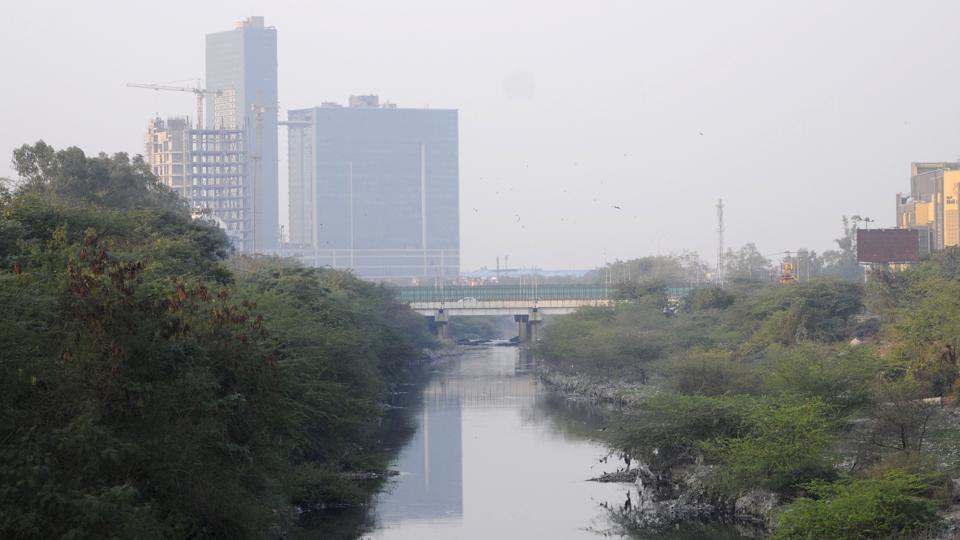
A bench headed by acting NGT chairperson Sheo Kumar Singh, in an order dated July 17, said discharge of untreated water, sewage and effluents continues unabated in the drain, and granted the state pollution control boards of Delhi and UP a time of four weeks to submit an action taken report, further asking for remedial measures to be put into place and in case of violations, the imposition of a penalty in the form of an environmental compensation.
NGT was hearing a plea filed by an east Delhi resident, alleging there was discharge of industrial waste and sewage water into the drain, which was subsequently producing toxic gases.
“It is to be pointed out that the tribunal in several matters has directed that drain to be exclusively meant for diverting storm water. We find that both Delhi and Ghaziabad are using Shahdara drain as ‘open sewer’. All the inlets of sewers and drainage carrying sewage and joining Shahdara drain need interception and diverting to STP (sewage treatment plants). Accordingly, we direct the state pollution control boards to ensure the compliance of environmental rules and ensure that the untreated effluents may not be discharged in the Shahdara drain...,” said the order.
“The amount shall be utilised for environmental purposes. Further, action taken reports by the district magistrate, Delhi Pollution Control Committee (DPCC) and the UP State pollution control board are directed to be submitted within four weeks,” the order added.
The order further referred to a DPCC report dated September 9, 2022, submitted to NGT after an on-ground inspection in May 2022 by an expert committee, which found damage to a wall adjacent to a supplementary drain of the Shahdara drain from Krishna Nagar Metro station to Karkardooma court, also observing that the fencing on a foot over-bridge was also broken at some places, further helping people dump waste.
The committee had recommended raising the height of the boundary wall parallel to Anupam Apartments and Hans Apartments by 5m to prevent waste from being dumped. However, the NGT said that the committee’s recommendations are yet to be implemented.