
 E-Paper



Public figures have a duty to be more restrained inspeeches: Dissent order
Justice Nagarathna referred to the writings of legal scholar and academician Michael Rosenfeld, who noted that speech made by a person of influence carries far more credibility and impact than a statement made by a common person.


New Delhi Hate speech denies human beings the right to dignity, and a greater responsibility is cast upon public functionaries and celebrities against vitriolic statements owing to their position, justice BV Nagarathna said on Tuesday, as she delivered a dissenting judgment of the Constitution bench that in a 4-1 ruling chose to steer clear of the contours and reach of hate speech.
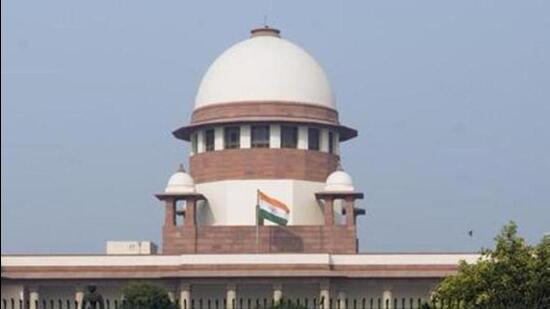
“Public functionaries and other persons of influence and celebrities, having regard to their reach, real or apparent authority and the impact they wield on the public or on a certain section thereof, owe a duty to the citizenry at large to be more responsible and restrained in their speech,” said the judge.
Justice Nagarathna referred to the writings of legal scholar and academician Michael Rosenfeld, who noted that speech made by a person of influence, such as a top government or executive functionary, Opposition leader, political or social leader of following, or a credible anchor on a TV show carries far more credibility and impact than a statement made by a common person.
Stating that it may be appropriate to sound a strong word of warning in this regard, she added: “They are required to understand and measure their words, having regard to the likely consequences thereof on public sentiment and behaviour, and also be aware of the example they are setting for fellow citizens to follow.”
Justice Nagarathna pointed out that no infallible rules can be formulated by the court to define the precise threshold of acceptable speech, and it is for every citizen of India to consciously be restrained in speech.
“Every citizen’s conscious attempt to abide by the constitutional values, and to preserve in letter and spirit the culture contemplated under the Constitution will significantly contribute in eliminating instances of societal discord, friction and disharmony, on account of disparaging, vitriolic and derogatory speech, particularly when made by public functionaries and/or public figures,” she noted.
Emphasising the significance of free speech in a constitutional democracy, justice Nagarathna maintained that this constitutional right includes the right to dissent, disagree and adopt varying and individualistic points of view.
“In fact, the right to dissent is the essence of a vibrant democracy, for it is only when there is dissent that different ideas would emerge which may be of help or assist the government to improve or innovate upon its policies so that its governance would have a positive effect on the people of the country which would ultimately lead to stability, peace and development which are concomitants of good governance,” the judge stressed.
Justice Nagarathna exhorted the citizenry to follow the constitutional principles of fraternity and tenets of fundamental duties, saying: “Democracy, being one of the basic features of our Constitution, it is implicit that in a rule by majority there would be a sense of security and inclusiveness. Further, the Preamble of the Constitution which envisages, inter alia, fraternity, assures that the dignity of individuals cannot be dented by means of unwarranted speech being made by fellow citizens, including public functionaries.”
The right to freedom speech and expression, in a human-rights based democracy does not protect statements made by a citizen which strike at the dignity of a fellow citizen, said the judge, even as she maintained that an aggrieved person will have to resort to legal and constitutional remedies on a case-by-case basis, and the top court cannot issue a mandate to Parliament to frame a specific law in this regard.
“It is also for the respective political parties to regulate and control the actions and speech of its functionaries and members. This could be through enactment of a Code of Conduct which would prescribe the limits of permissible speech by functionaries and members of the respective political parties,” she added in the minority opinion.
Stay updated with all top Cities including, Bengaluru, Delhi, Mumbai and more across India. Stay informed on the latest happenings in World News along with Delhi Election 2025 and Delhi Election Result 2025 Live, New Delhi Election Result Live, Kalkaji Election Result Live at Hindustan Times.


