
 E-Paper



With private vends shut in Delhi, liquor prices in Gurugram shoot up unbridled
Prices of imported liquor and IMFL have increased in the city after private liquor shops were shut in Delhi from October 1, a closure that coincided with a seasonal spike in demand on account of the festive season

 Prefer HTon Google


In this season of cheer, Gurugram’s liquor store owners are discovering that their “cup runneth over” , with the fact that almost 40% of Delhi’s liquor stores being shut allowing them to charge a premium.
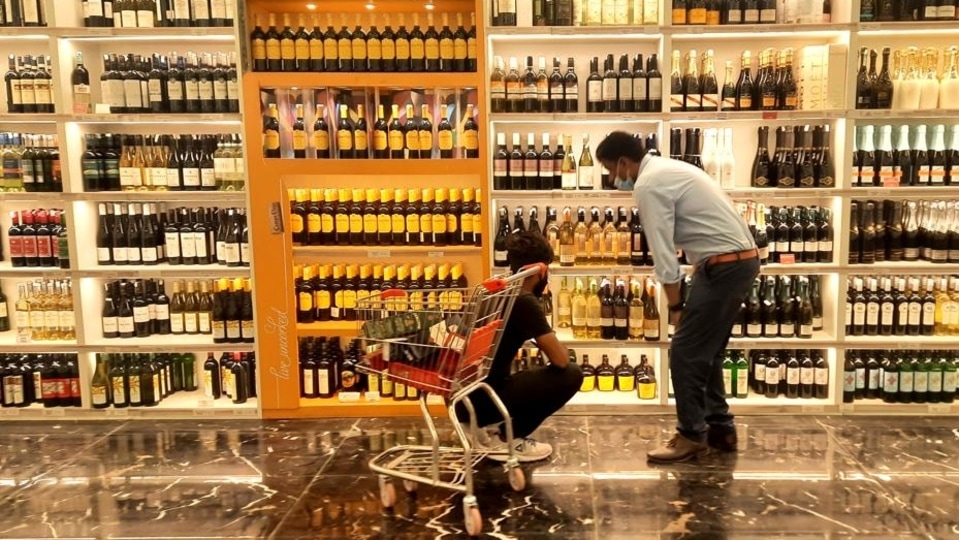
The result: prices of imported liquor and Indian-Made Foreign Liquor (IMFL) have increased in the city after private liquor shops were shut in Delhi from October 1, a closure that coincided with a seasonal spike in demand on account of the festive season.
The price of imported scotch was up by between ₹400 and ₹1,200 for a 1 litrebottle, and that of IMFL whisky by between ₹250 and ₹400. Even beer has become more expensive, by up to ₹300 for a case of 12.
Haryana does not have maximum retail price on liquor bottles, and shopkeepers are selling at a premium. Many store owners said they suffered losses during the pandemic and hope to make good now.
The hike in price is because of a transition to the Delhi government’s new excise policy due to which 40% or 260 of the city-state’s liquor shops, all the private owns shut on October 1 and will stay closed till November 16. During the transition, only government-run liquor outlets will remain open. And on November 17, all (including the government owned ones) will reopen under new private management.
That’s worked out very well for Gurugram’s liquor store owners, who previously offered discounts to match prices in Delhi which were lower.
Sonu Yadav, who owns a liquor store on Golf Course Extension Road said the number of customers has increased, causing a shortage of some kinds and brands of liquor. “We have increased the prices as we have limited stock of the Scotch, which is high in demand. Most of the people are Delhi residents who are buying liquor for gifting purposes.”
Shashank Sangal, owner of Aralia Beverages Pvt Ltd claims sales are up almost 40%.
Gurugram has almost 400 liquor shops, mostly in prime locations.
Ran Niwas Rathi, a resident of DLF Phase 1, said liquor prices differ from shop to shop , and that discounts in the city have now stopped. “For the last 10 days they have stopped giving any discounts and have increased the prices. A single malt which was sold for around ₹5,800 is now being sold at ₹7,000 and shops have stopped all discount offers they had planned for Diwali.”
Excise officials have formed teams to keep a check on prices but said they were yet to receive any complaints.
VK Beniwal, the deputy commissioner of excise and taxation, Gurugram (east), said the owners of liquor shops have been directed not to charge exorbitant prices and to keep a check on the salesmen as they often try to make money on the side by charging more. “We can only check minimum retail price but if anyone is selling above that, there is no such policy to stop or take action against them,” he said.
Delhi residents, meanwhile said they were resigned to travelling to cities in the National Capital Region for their stock.
“It will not be wrong to say that liquor is just not available in Delhi any more. Only a few government shops are open which have almost not stock. They only have low-range alcohol on offer. So, people are left with no option but to purchase from Gurugram or Noida. All of us are doing that,” said Akash Tyagi, a resident of Ashok Vihar in north Delhi.
A manager at one of the government liquor shops in Malviya Nagar acknowledged that many customers are returning empty handed because the popular brands are unavailable. “The stock of premium liquor is almost nil because manufacturers have signed new contracts with the new licensees which will start operations from November 17. They are on the verge of ending their contracts with the government, so the balances are getting cleared at present,” said the official on condition of anonymity.


