
 E-Paper



FDA Gurugram’s falls short in its sampling efforts during Diwali
During a spot check by a HT team on Thursday to the food department at the FDA Gurugram, the officials informed that between September 1 and October 16, only 67 inspections of dairy products.


As Diwali approaches, a surge in the demand for traditional sweets is seen along with the risk of shopkeepers selling adulterated products. Consumers are constantly at risk due to the usage of low-quality ghee, starch and flour in khoya, harmful artificial colors, and substandard paneer. Despite the rising concerns, the Food and Drug Administration (FDA) in Gurugram seems to be falling short in ensuring food safety, with alarmingly few inspections and delayed sampling efforts.
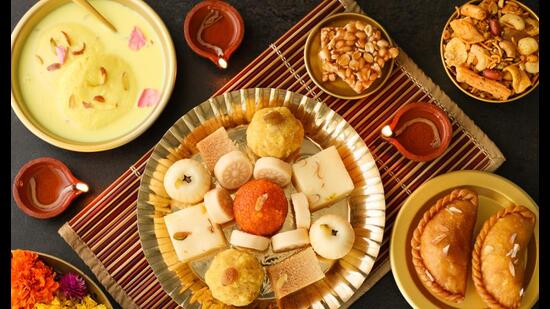
During a spot check by a HT team on Thursday to the food department at the FDA Gurugram, the officials informed that between September 1 and October 16, only 67 inspections of dairy products including khoya, sweets, and paneer had been conducted across Gurugram.
Dr Ramesh Chauhan, the food safety officer (FSO) Gurugram, stated that the samples are sent to laboratories in Chandigarh or Karnal for testing, and the results are still awaited.
DK Sharma, joint commissioner of food at the FDA, further explained that it takes nearly 14 days for lab results to return from these laboratories.
Prithvi Singh, drug control officer, shared,”Usually we get lab results within 14 days. But the results have been delayed for the month of September due to a huge load of work. During festivals, samples are picked from every district of Haryana, which can lead to delay in test results.”
When questioned about the FDA’s sampling efforts, FSO Chauhan said, “We aim to send 10 samples per month. But during the festive season, we have tried to speed up. On Thursday, I collected 5 samples, which will be sent for lab testing.” “I handle two districts, Gurugram and Nuh, so I feel that we are doing a decent job,” he explained.
However, these efforts are a far cry from what is needed to monitor the vast number of sweet and dairy shops in the city. As per FSO, there are almost 70 organised sweet shops in Gurugram, excluding the number of unregistered shops or local shops in the city
An official from the FDA office, shared that between October 1 and October 16, only 11 samples of sweets, including khoya and two samples of paneer had been collected for testing. “I can only see 11 entries for sweets including khoya and two entries for paneer in the register,” he told HT.
“We started collecting samples from October 8, keeping the festive season in mind,” shared DK Sharma.
How to spot adulterated khoya or sweets?
In response to growing concerns, Sharma shared some tips for consumers to identify adulterated khoya and sweets. He explained that if you touch khoya and it feels excessively greasy or has an unusually shiny appearance, it’s likely to be adulterated. Excessive ghee is often added to mask the use of low-quality ingredients or starch.
Additionally, he shared that the smell of khoya and sweets can be a telltale sign of adulteration. Genuine khoya has a rich, natural aroma, while fake khoya has a distinct, off-putting smell. “Similarly, stale sweets often emit a sour smell. These simple checks can help consumers avoid purchasing potentially harmful products during the festive rush,” he explained.
Despite the rising risks associated with Diwali sweets and dairy products, the FDA’s response remains insufficient, with just a handful of samples collected across thousands of outlets. The delayed testing process further compromises public safety.

Stay updated with all the Breaking News and Latest News from Mumbai. Click here for comprehensive coverage of top Cities including Bengaluru, Delhi, Hyderabad, and more across India along with Stay informed on the latest happenings in World News.


