
 E-Paper



Reporter’s diary: Promises shine bright, but waste stays put in Gurugram
Despite drives, inspections and photo-ops, filth returns in days. Residents demand more than spectacle — they want sustained, accountable action.

 Prefer HTon Google


In Gurugram, civic clean-up drives have become a performance art that begins with a flurry of press releases, photo ops and promises, and ends two days later in the same familiar chaos of dust, dumps and denial.
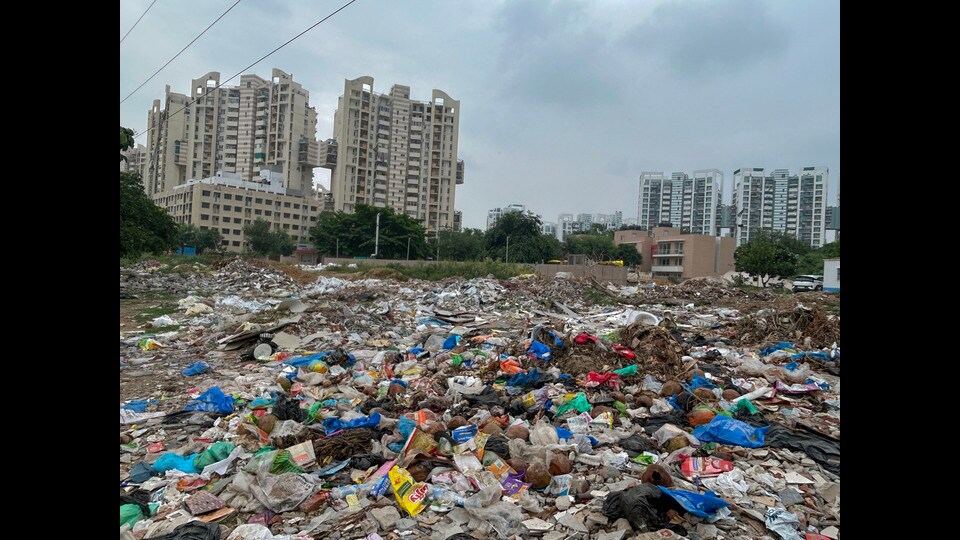
Every few weeks, senior officials descend from Panchkula in crisp shirts, folded sleeves and a convoy of SUVs to review Gurugram’s “sanitation progress.” There are loud announcements, brooms are distributed, and junior officers nod dutifully. For 24 hours, Gurugram hums with activity. Garbage trucks appear at odd hours, drains are hastily cleared, and roads are hosed down with water tankers. Social media floods with photos of officials inspecting sites, citizens applauding and captions promising transformation.
And then, as predictably as the next traffic snarl at IFFCO Chowk, silence follows. Within days, garbage piles return, bins overflow and the same dust gathers on the same streets, mocking a system that keeps sweeping problems under the rug.
According to me, what explains this cyclical theatre of reform? Each “special drive” collapses before the week is out. Officials cite limited manpower; contractors blame delayed payments. The Municipal Corporation of Gurugram (MCG) points to the Gurugram Metropolitan Development Authority (GMDA); the GMDA blames “coordination issues.” Somewhere in between, the chief minister’s flying squad lands for a surprise inspection, finds a heap of waste, suspends a hapless supervisor and the cycle resets.
For a district that contributes to some of Haryana’s highest revenue, Gurugram seems perpetually between two clean-up drives — one just ended and another about to be launched. I feel the problem is not planning but permanence. In my decades of reporting on infra and civic woes, I have seen that each campaign is treated like a ceremonial fix, not a sustained solution. What is missing is not intention but accountability.
Residents, meanwhile, refuse to stay silent. From upscale sectors to rural colonies, hundreds of WhatsApp and citizens’ groups have sprung up. Some file RTIs, others stage protests; a few meet officials monthly. I have seen many of these groups tire and fade away; meanwhile the notable ones persist like civic warriors fighting for their right to a clean community with functional infrastructures. Yet, the larger picture remains unchanged — the same waste heaps, the same congestion; the same smog curling over Gurugram at dusk.
A senior official once admitted to me, half-jokingly, “We clean up more files than roads.” Another whispered during an inspection, “Drives work only as long as there’s a camera around.”
Amid this bureaucratic blame game are the sanitation workers — men and women who toil long hours without protective gear, fair wages or recognition. Their effort is real, their fatigue visible, yet they remain invisible in the district’s glossy presentations.
So, the question remains: who will actually clean Gurugram? The residents who keep paying or the officials who keep promising? The district does not need another drive. It needs discipline in planning, supervision, and accountability.
Until that arrives, Gurugram will keep shining only for the duration of a photo-op, because here, the only thing that gets swept regularly is responsibility.
Leena Dhankhar heads the Gurugram bureau, and has extensively covered civic issues, environment, wildlife, forest, crime, real estate and politics.


Stay updated with all the Breaking News and Latest News from Mumbai. Click here for comprehensive coverage of top Cities including Bengaluru, Delhi, Hyderabad, and more across India along with Stay informed on the latest happenings in World News.


