E-Paper



40% at risk of inaccurate BP measurement in Delhi: Study
In some cases, BP spikes on seeing a doc, while in other cases, reading by physician is normal but is high at other times.

 Prefer HTon Google


As many as 40% people from Delhi are at risk of inaccurate high blood pressure diagnosis, found data collated for a study conducted across 15 Indian states that was released on Friday.
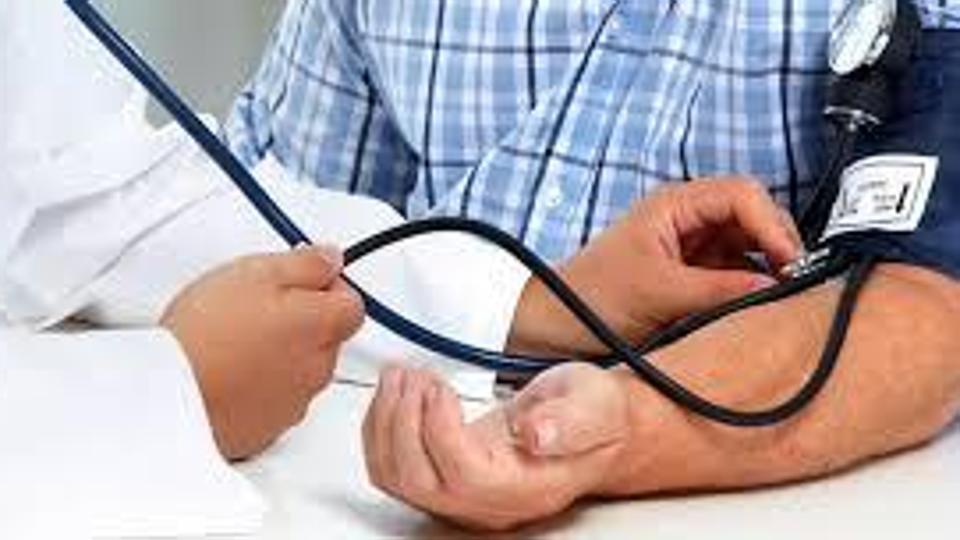
The two conspicuous causes for misdiagnosis were attributed to white-coat hypertension, which is spike in blood pressure on seeing a doctor, and masked hypertension, wherein the readings are normal when measured by a doctor but high at other times of the day.
Of the total number of people (1,228) surveyed in Delhi, 21.10% had white-coat hypertension and 18.90% were found to have masked hypertension. The cut-off for high blood pressure in India is >140/90 mmHg.
The study—India Heart Study (IHS)— analysed 18,918 people in all, who were evaluated by 1,338 physicians across 355 cities.
The combined data suggests, one out of four (24%) people visiting a clinic, whose blood pressure is measured, is likely to be misdiagnosed as having high blood pressure. About 18% had masked hypertension.
“The study further corroborates the fact that the physicians should not prescribe blood pressure medicines based on a single reading. Multiple readings have to taken and the mean of which should be used to decide the disease status of a person,” said Dr Upendra Kaul, senior cardiologist, Batra Hospital & Medical Research Centre. Dr Kaul was the principal investigator of the study.
The ideal solution, say experts, would be home monitoring to reduce the miss-and-missed diagnosis of high blood pressure in large number of people.
“Home BP monitoring is ideal; people should take the measurements when they feel most relaxed at least for a week, and see their physician with complete readings,” said Dr JPS Sawhney, senior cardiologist, Ganga Ram Hospital.
“Of all the people who suffer from hypertension, only about 50% know their status, of which barely 50% are on medicines. Among those who are on medicines only 20% have their blood pressure under control, making it pertinent to not misdiagnosis or unnecessarily put people on medicines,” he added.
Misdiagnosing Hypertension
Subjects analysed: 18, 918
States: 15
Participants per state (in percentage)
Tamil Nadu: 12; Maharashtra: 11; Uttar Pradesh: 10; Gujarat: 10%; Mumbai: 9; Madhya Pradesh: 7; Delhi: 6; Telangana: 6%; Rajasthan: 5; Karnataka: 5; West Bengal: 5; Bihar: 4; Andhra Pradesh: 4; Punjab: 3; Kerala: 1; Jammu & Kashmir: 1
Inaccurate diagnosis per state (in percentage)
Rajasthan: 55.3; Kerala: 51.6; Telangana: 50.2; Jammu & Kashmir: 48.3; Bihar: 45.9; Punjab: 43.7; Andhra Pradesh: 42.2; Uttar Pradesh: 41.7; Tamil Nadu: 41; Maharashtra: 40.8; Delhi: 40; West Bengal: 39.8; Gujarat: 38.6; Mumbai: 38.2; Karnataka: 37.4; Madhya Pradesh: 37
Source: India Heart Study