
 E-Paper



After HC quashes case, relief likely for IAS officer Abhishek Prakash
The high court quashed the entire criminal case against businessman Nikant Jain who was booked on charges of extortion and corruption in the proposed solar power project


LUCKNOW The decision of the Lucknow bench of the Allahabad high court to quash the high-profile corruption case linked to the proposed solar power project is likely to bring relief to IAS officer Abhishek Prakash, potentially reversing the professional and reputational impact of his suspension.
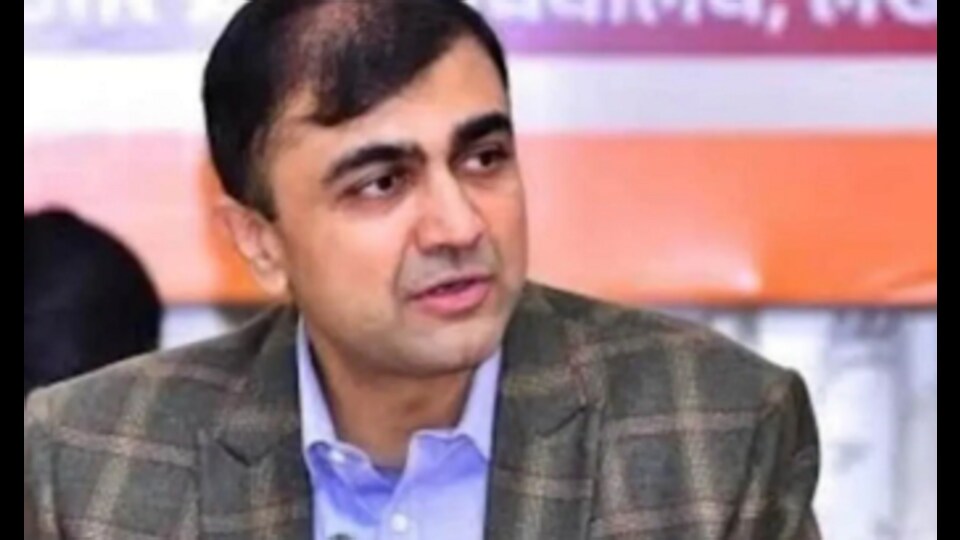
Prakash, who was serving as chief executive officer of Invest UP at the time of the FIR, was suspended after allegations surfaced that a bribe equivalent to 5% of a proposed solar manufacturing project’s cost had been sought.
The high court quashed the entire criminal case against businessman Nikant Jain who was booked on charges of extortion and corruption in the proposed solar power project. It, however, found that no prima facie offence under the Bhartiya Nyay Sanhita or the Prevention of Corruption Act was made out in the case. The court also noted that the complainant had admitted in a sworn affidavit that the complaint arose from a misunderstanding and that no money was paid.
Legal experts opined that such categorical judicial findings carry considerable weight in restoring an officer’s credibility. When a court concludes that no evidence exists to sustain allegations of extortion or undue advantage, it not only nullifies the criminal case, but also addresses the perception of wrongdoing that may have accompanied the suspension.
In the civil services framework, reputation and integrity are central to career advancement and posting decisions. Judicial exoneration at an early stage of proceedings is often viewed as a decisive factor in rehabilitating an officer’s standing, they said.
With the FIR and all consequential proceedings quashed, the principal basis for Prakash’s suspension has ceased to exist. Under service rules, the government is required to review suspension orders periodically, particularly when linked to criminal proceedings that no longer survive judicial scrutiny.
If the state government decides to revoke the suspension, Prakash could be reinstated and assigned a posting in accordance with administrative requirements. While reinstatement is a matter of executive discretion, the high court’s findings substantially strengthen the case for restoring him to active service.


