
 E-Paper



AI helping Lucknow cops rein in ‘rowdy roadies’
Intelligent Traffic Mgmt System combines high-speed cameras and infrared flashes to capture clear images of vehicles and detect potential offences too

 Prefer HTon Google


LUCKNOW Smart traffic management system equipped with artificial intelligence (AI) is helping authorities maintain safety on the streets and track traffic violators. As part of this, traffic police and smart city officials have identified habitual offenders and shared the list of 25 people with the RTO office for further action.
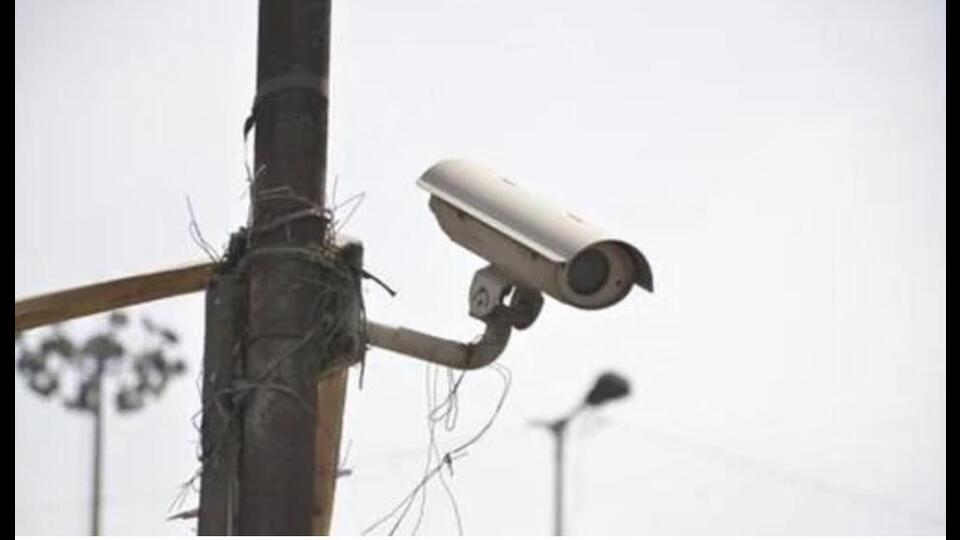
“The system combines high-speed AI cameras, infra-red flashes, and advanced filtering to capture clear images of vehicles. Cameras with AI help us detect potential offences too. AI is quick in identifying images showing evidence of an offence, which is confirmed by humans like us. The technology aims to enhance road safety while maintaining human oversight for fairness,” said DCP (traffic) Ashish Srivastava.
“The AI camera system has been tracking law-breaking drivers and elements who have been behaving in a different way for quite some time,” said municipal commissioner Inderjeet Singh.
“Lucknow Smart City Limited has installed more than 1,500 cameras for the city’s safety. The state capital has an Intelligent Traffic Management System (ITMS) that employs AI to assess traffic in real time. The message to traffic violators is clear - either you follow the rules or we are coming at you with proof,” he said.
Singh said, “Currently, we are testing the technology. When implemented fully, it is likely to change the city’s traffic scenario. Real-time traffic monitoring with AI would be helpful in the implementation of traffic rules while the human interface in road management will be reduced. Traffic signals will operate automatically during the day, depending on traffic volume and average speed on the road.”
“AI technology helped police identify some repeat offenders. We have shared the names of 25 such people with the RTO office for action against them,” said DCP (traffic) Ashish Srivastava.
He added, “When we tried this technology, we were surprised to find many drivers not wearing seatbelts, jumping signals and picking up fights with people. Today, we have data of 25 habitual offenders who have violated traffic rules more than 30 times in a month. We want to send a clear message to anyone who continues to violate traffic rules - you will get caught…we are keeping a watch on you.”
Srivastava said, “We have also suggested to the state government to link fines and challans with the annual insurance of vehicles.”


