
 E-Paper



Animal shelters during rains: ‘Attending to rescue calls, arranging fodder a struggle’
Besides a higher number of injured and ailing animals, it is also tough for shelters to get fodder for the cows, as the rain makes the fields muddy, making fodder harder to cut and transport.


Rescue calls to animal shelters shoot up when heavy rain hits. With the rain in the past two days, shelters are struggling to keep up with responding to rescue calls and fodder management.
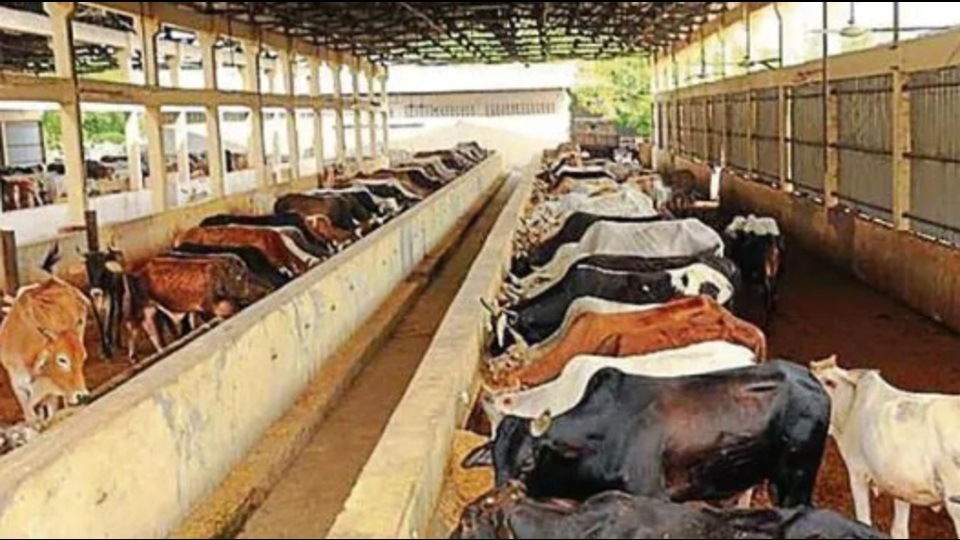
While the animals at the shelters are not on water-logged premises or getting drenched - there are other problems that the shelters are attempting to find solutions to. “We are getting around 50 calls per day, to go and move or rescue animals that are hurt or stranded,” said Naveen Ahluwalia, director at People for Animals. Civilians tend to make the calls to rescue shelters and refuse to take further responsibility. Strays are getting hurt faster than they can be treated, and shelters have to prioritise which animals can be helped, and which ones cannot, he added.
Besides a higher number of injured and ailing animals, it is also tough for shelters to get fodder for the cows, as the rain makes the fields muddy, making fodder harder to cut and transport.
Shubham Pratap Singh, senior official at Jeev Aashraya, an animal rescue service, said that transporting medical kits on bikes when rescue calls come in, can also be risky, and the kits have to be transported in a way to ensure that they do not get damp or contaminated. Maximum cases are of road accidents during the rainy season, he added. “In terms of running the shelter, we face the most struggle in obtaining fodder, when it rains heavily.”
At Kanha Upvan, the main challenge is getting enough fodder, and in time, to feed the 10,000 cows it houses. It becomes difficult to cut up the hay - by machine or by hand as the rain makes the crop very weighty. “While we have all the systems in place and the cows are kept in covered sheds (the ailing ones are treated in the hospital building), the dung cleaning process gets far more tedious in the rain,” said Yatendra Trivedi, manager at Kanha Upvan.
Although they have all the equipment for the cleaning process, even the tractors are unable to easily scoop up the dung, as the rain makes it damp - a process that would usually take two hours requires nearly six hours and more manpower, he explained. Trivedi also attests to the hike in the number of animals involved in road accidents in this weather - “We have a daily average of 3 or so cases, but when it rains, that goes up to 6 or 7.”


