E-Paper



Digital libraries to come up in over 22K village panchayats in U.P.
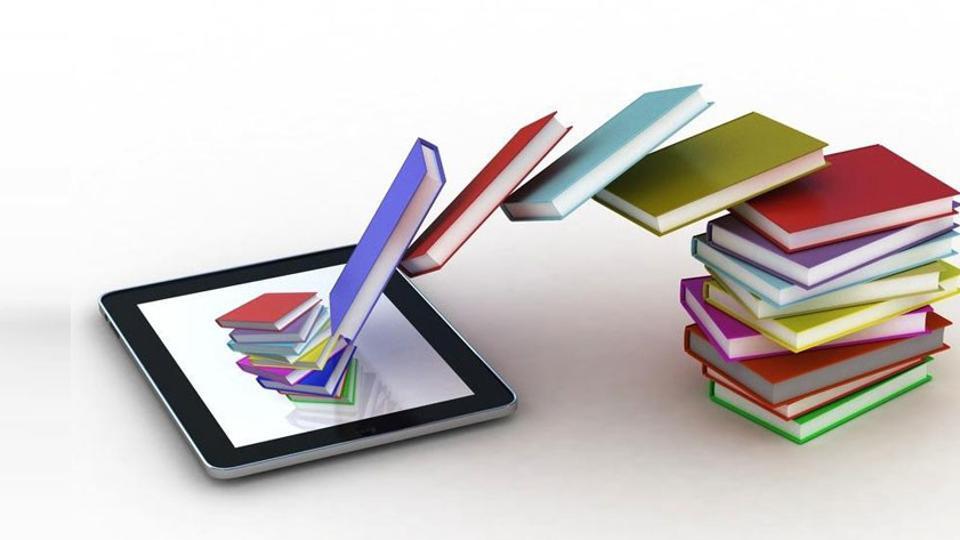
Uttar Pradesh plans to set up digital libraries in 22,700 panchayats, enhancing digital literacy and access to educational resources for rural youth.

 Prefer HTon Google


The Uttar Pradesh government has issued a government order (GO) laying down guidelines of setting up and running digital libraries for children and adolescents in selected panchayats across the state.
“The state government has announced an initiative to set up digital libraries in 22,700 village panchayats. The project will be implemented in phases, with the procurement of necessary furniture and equipment being funded through allocated financial resources,” principal secretary, panchayati raj, Anil Kumar said.
“In the first phase, we have identified 11,000 of over 58,000 village panchayats in the state,” he added stating that the GO in this regard was already issued last week.
At the village level, each digital library will be equipped with a Smart LED TV with a camera, two desktop computers, and a computer table. Once installed, the information regarding the setup will be formally documented and verified by village secretaries and panchayat assistants. Physical books will also remain available in the libraries.
“An amount of ₹4 lakh will be spent on setting up of each digital library,” Kumar said. The initiative is being implemented under the Scheme of Special Assistance for Capital Investment 2023-24, as per guidelines issued by the Union ministry of finance.
As per the GO, to ensure quality, digital libraries will source books from the National Book Trust (NBT) and other reputed publishers. Also, specifications for furniture, chairs, tables, bookshelves and digital equipment will be determined by a designated department-level committee.
The procurement of IT equipment such as smart interactive whiteboards, desktop computers and digital learning materials will be carried out through the government’s GEM portal. A district-level committee will oversee the purchasing process to maintain transparency and quality.
Following guidelines issued by the Union ministry of finance on May 2, 2023, 50% of the allocated funds will be used for purchasing books. Out of this, 10% will be spent on digital content, 50% on books from the NBT and the remaining 40% on books from other publishers. A district-level committee will determine the standards and selection criteria for these books.
To promote regional literature, the district committee will also procure books written in local languages by local authors, freedom fighters and national figures. Works on regional history, culture and literature, including poetry, will be prioritised. Additionally, books catering to competitive exam preparations, women’s literature, and children’s literature will be included based on demand.
“This initiative aims to enhance digital literacy, promote local culture and provide easy access to educational resources in rural areas,” the GO said.
Earlier, a meeting held on February 18, 2025, under the chairmanship of the chief secretary of Uttar Pradesh, finalised the decision to establish and operate these digital libraries through the panchayati raj department. The secondary education department had previously requested action on this initiative in a letter dated January 31, 2024.
To ensure effective implementation, the state government has constituted committees at the state level, under the director of panchayati raj, and at the district level under the respective district magistrates.