
 E-Paper



Festive fervour: Every festival is an occasion to revel
Indicative of improved economic conditions, such celebrations promote mental wellness, bringing communities closer, say experts

 Prefer HTon Google


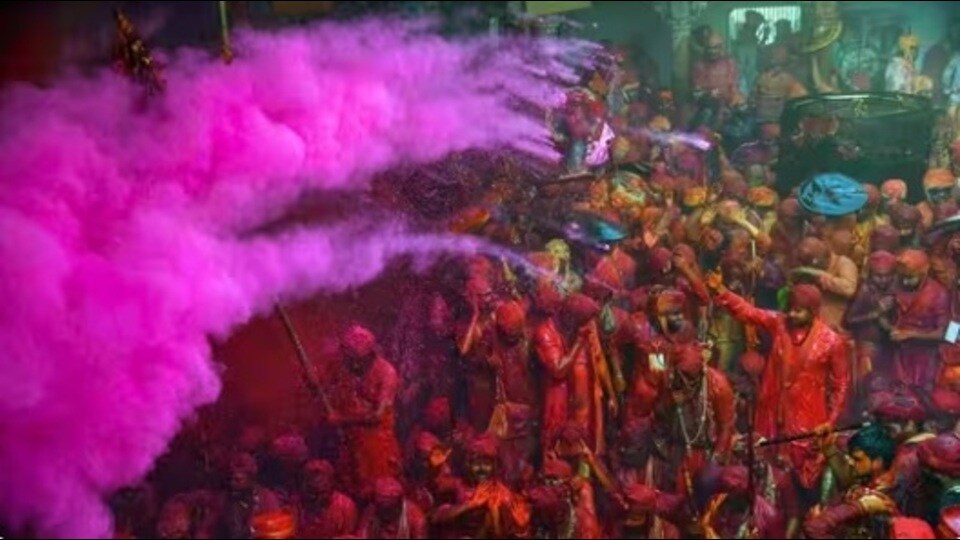
“What do you wear to a Holi rain-dance party... I have never been to one,” asked Tauseef. “Anything but new clothes,” replied an excited Ruby. “It’s going to be our first rain-dance party as a married couple. Our close friends are throwing it,” she explained while packing gulal (coloured powder) in pouches. When asked if he shares her enthusiasm for the festival, Tauseef said, “While rain and dance are usually the two things that give me jitters, I am looking forward to this rain-dance party.”
Like this Lucknow-based couple, Kannauj-resident Preeti Tiwari is also preparing for an upcoming festival. “Later this month, I will come to Lucknow to buy an authentic chikan kurti as Eid will fall in April this time. Every year, I visit two of my closest Muslim friends on this festival, and for the record, I have always worn a new kurti on the occasion,” boasted Preeti with a big smile.
Meanwhile, Meerut-based engineer Alok Yadav has already started shortlisting holiday destinations for his next Christmas trip. “Last year, I celebrated the period from Christmas to New Year in the hills. So, I am thinking of ringing in 2024 in a beach city this time. Besides Goa and the Andamans, I am also considering Maldives and Mauritius for my next Christmas trip,” he said.
At a time when the echo chambers of social media platforms may give the impression that our society is polarised along religious lines, stories of people celebrating all festivals with equal zest often don’t find as much traction. However, a macro analysis reveals how people are increasingly participating in all types of festivities without being bogged down by conservative and stereotypical confines.
Festivals – religious or otherwise – are transcending geographical barriers as well. Today, Ganesh Chaturthi is a pan-India festival -- not just limited to Maharashtra. Similarly, the popularity of pandal-hopping and Garba Night parties in the run-up to Dussehra -- the traditions staple to West Bengal and Gujarat respectively -- are at an all-time high across the country. In the last few years, Halloween parties -- a popular US tradition -- have also caught the fancy of youths in the metro cities of India.
This increased popularity of festivals is reflective of the country’s improved economic conditions, say experts. “Festivals in India are a driving force of the country’s economy. With an estimated $20 billion in consumer spending during the festive season, festivals contribute significantly to India’s GDP and economic growth. From retail to tourism, various sectors benefit from the surge in demand during this period. Festivals also provide an opportunity for small businesses and local artisans to showcase their products and increase their sales,” said Roma Priya, entrepreneur and Angel investor.
Festive celebrations also augur well for the mental wellness of people. “Festivals provide a unique opportunity for people to commune. This sense of togetherness is extremely beneficial for one’s mental health. Not to forget, festivities create an atmosphere of gaiety, which allows people to shift their focus (at least for some time) from the challenges of daily life, and unwind,” said Anugrah Edmonds, a Bareilly-based counseling psychologist.
According to anthropologists, celebrating all festivals together brings communities closer. “Festivals guide communities along a moral path, provide an opportunity to spread happiness, and celebrate good over evil. Every festival helps in bridging the religious divide. It lets people forget their differences and celebrate, ultimately bringing communities together and strengthening religious harmony,” said Lucknow-based anthropologist Marinder Mishra.
It’s silent majority vs vocal minority
Sharing his views on the ‘wider acceptance’ of festivals, Tauseef said, “It would be preposterous of us to think that we are the first generation celebrating all festivals. My father often tells us how he and his friends would cycle several kilometres to buy firecrackers at cheaper prices. They would burst them throughout the 5-day Diwali period. I am sure older people from all communities have similar stories.” He added, “As a society, we have always been secular. The emergence of social media has just given more teeth to a few fringe elements trying to spread intolerance towards other religions. On the flip side, social media posts of people celebrating cross cultures also garner thousands of likes. I think of it like a battle between a silent majority of peace-loving people versus the vocal minority of radicals.”
In a similar vein, Preeti said, “We lead such a busy life. Festivals give us the much-needed break. I don’t celebrate Eid and Christmas to come across as a secular person. I just celebrate all festivals because it’s fun and a great way to cherish relationships. We should feel blessed to have been born in a pluralistic society with such diverse cultures and customs.”


