E-Paper



Holding areas for seized vehicles: U.P. to set up yards as police stations burst at seams
Uttar Pradesh government is set to introduce a vehicle yard policy to decongest overcrowded police stations

 Prefer HTon Google


The Uttar Pradesh government is set to introduce a vehicle yard policy to decongest overcrowded police stations by establishing 24x7 dedicated holding areas for seized vehicles, officials in the know of things said.
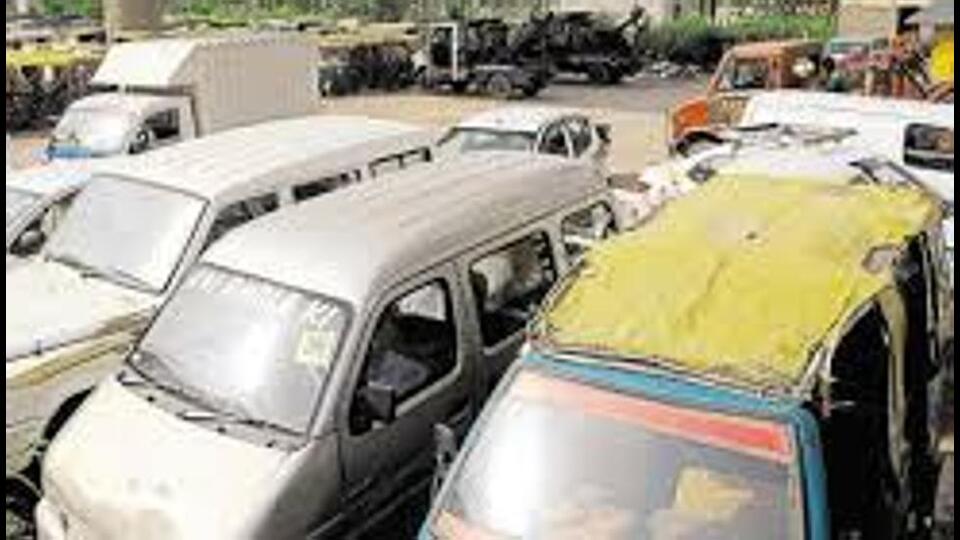
The policy, proposed by the transport department, will involve private players and government bodies in setting up and operating these yards.
Currently, vehicles impounded by various enforcement departments are parked at police stations, causing space constraints and administrative difficulties. The transport department has cited its inability to seize vehicles due to this lack of space as a key reason for the new policy.
“Regional transport officers have to avoid seizing vehicles for offences due to a lack of space for detaining and keeping such vehicles at police stations,” principal secretary, transport, L Venkateshwarlu, said adding, “To address this problem, we have decided to bring a vehicle holding yard policy the proposal for which will be sent to the Cabinet soon.”
According to the proposed policy, a vehicle at any such yard will be auctioned after 45 days if the owner does not come forward to get his vehicle released after fulfilling legal formalities.
“Many impounded vehicles remain unclaimed for years, either due to legal disputes or owners considering them not worth retrieving. Dedicated yards will introduce policies for auctioning unclaimed vehicles after a fixed period, helping recover dues,” another transport official said.
Under the proposed framework, other departments such as police, excise, and GST will also be allowed to use these yards with the transport commissioner’s permission. Yard operators will be permitted to charge holding fees based on the duration the vehicle remains standing in the yard. Towing charges will also be applicable.
According to Venkateshwarlu, regulatory bodies under the chairmanship of the district magistrate will be formed in each district to decide on the number and locations of setting up these yards, apart from working out many other nitty-gritties.
The idea of setting up vehicle yards in the whole state came after transport authorities of Ghaziabad urged the government to sanction ₹38 lakh for setting up such a yard there.
“The money was sanctioned under the Road Safety Fund but the yard could not be built because of non-availability of suitable land,” the official said. “Then chief secretary Durga Shankar Mishra liked the idea and directed the transport department to propose a comprehensive vehicle yard policy for the entire state,” he said.