
 E-Paper



In a first, KGMU VC gets second consecutive term
Prof Soniya Nityanand’s reappointment comes as KGMU builds on gains in rankings, specialised healthcare and infrastructure while facing the challenge of strengthening governance and transparency

 Prefer HTon Google


King George’s Medical University (KGMU) vice chancellor Prof Soniya Nityanand has been given a second consecutive term, making her the first VC in the centennial institution’s history to receive such an honour. The development comes amid a crucial phase of expansion for the medical university.
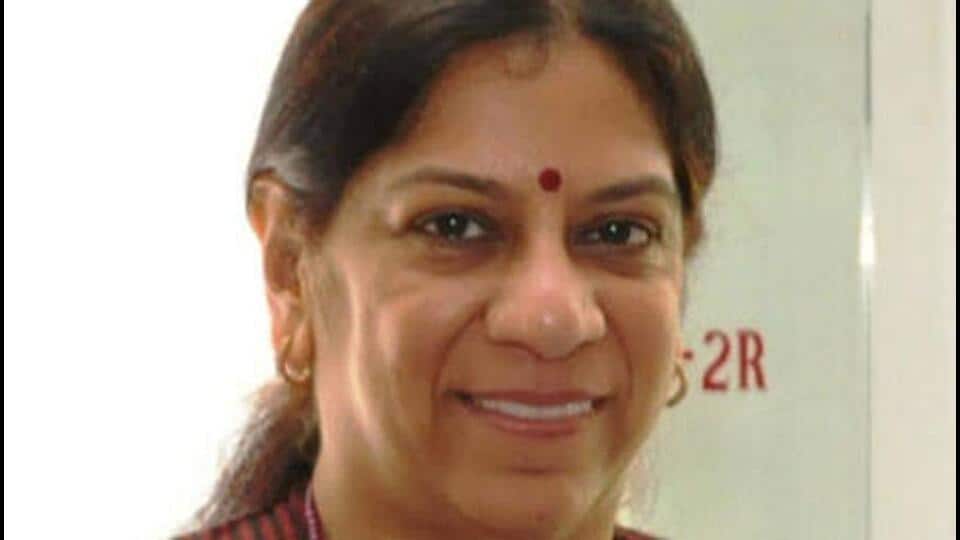
“A continued second term gives an edge as there is no time needed to understand things on the campus, which is why I feel to work even better,” Prof Soniya Nityanand said.
“Coming years, we shall focus on finishing ongoing projects fast and improve further patient care, academics and research. Digitisation is yet another area for which we will soon be going to collaborate with University of Manitoba, Canada, for entire patient records. This to make working smarter and easy,” she said, sharing her focus for the next three years.
The reappointment of Prof Soniya Nityanand, an eminent haematologist and KGMU alumna, comes at an important juncture with the university having made significant gains in academics and healthcare while also facing challenges on the administrative and governance fronts. Prof Soniya Nityanand first took charge as the KGMU VC on August 10, 2023.
Established in 1905, the institution has had 36 principals. Since attaining university status, it has had 12 vice chancellors .
Her first term saw several notable achievements. These included the university securing NAAC A++ accreditation and expanding robotic surgery across various departments. The tenure was also marked by controversies and instances of high-level administrative action.
Prof Nityanand began first tenure with the objective of strengthening patient care, raising academic standards, expanding specialised medical services and improving the university’s ranking.
During her first term, the university rose from 18th to 8th position in the NIRF rankings, securing a place among India’s top 10 medical institutions. Nearly 190 subsidised robotic surgeries were performed under a CSR-supported programme, while the university’s liver, kidney and bone marrow transplant programmes also gained momentum. The Level-1 Trauma Centre was upgraded, and Hospital Revolving Fund (HRF) pharmacy services were expanded to improve patients’ access to affordable medicines.
“KGMU witnessed significant progress in academics, patient care and infrastructure during the last three years. The focus now will be international ranking in the coming years,” KGMU spokesperson Prof KK Singh said.
Among the controversies, the most significant issues emerged around alleged irregularities in medicine procurement under the Asadhya Yojana in the urology department. An inquiry reportedly found prima facie evidence of financial irregularities, following which a pharmacist was suspended and three contractual employees were terminated and the department head was removed from administrative responsibilities. The Uttar Pradesh government subsequently constituted a high-level committee to investigate the matter.
The university also had to deal with sexual harassment complaints involving faculty members and resident doctors. In one case, an additional professor was suspended after the Internal Complaints Committee found prima facie evidence supporting allegations by a resident doctor.
Another controversy involving a doctor, accused by a resident doctor of sexual exploitation and attempting religious conversion, drew considerable public attention. The matter subsequently involved a Special Task Force investigation.
Other issues during the tenure included allegations concerning cardiology stent implantation practices, irregularities in the ophthalmology department and alleged broker networks.
The administration responded quickly to several of these matters through inquiries, suspensions, show-cause notices and referrals to government agencies. Complaints of private practice by doctors and administrative disputes that reached the court.
KGMU strengthened transplant services, expanded robotic surgery, upgraded emergency care and accelerated work on quality accreditation..
With a second term, the larger challenge will remain the same: to consolidate its academic and healthcare gains while strengthening governance, transparency and institutional confidence.


