E-Paper



IMD heat index will give you the real feel of weather
Dr SN Pandey, the chief scientist, weather department, CS Azad University of Agriculture and Technology, Kanpur, said the university will give the heat index readings of the city

 Prefer HTon Google


Instead of giving people general information about sultry, chilly or rainy conditions, the India meteorological department (IMD) will soon tell them what exactly weather would feel like by issuing heat index (also called “real feel” temperature) readings for weather stations across India, including Kanpur.
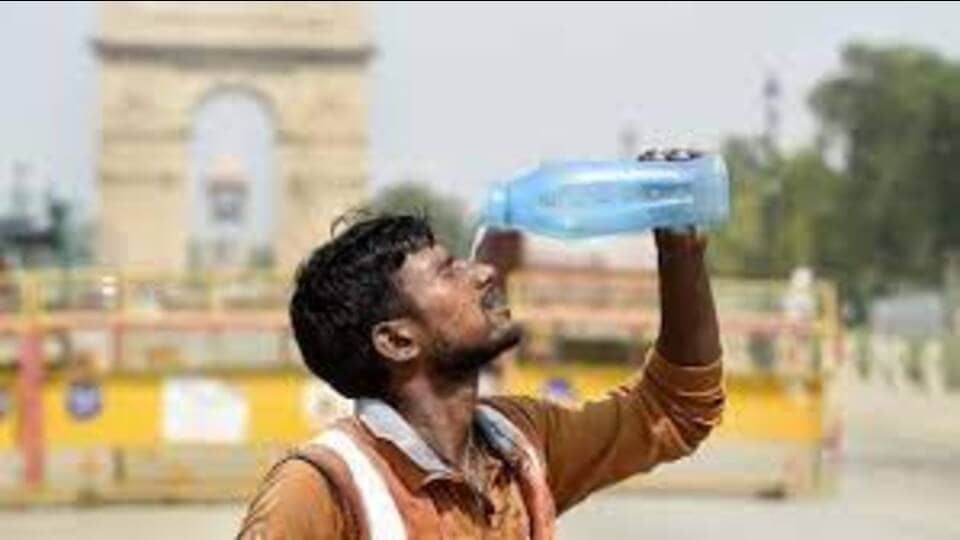
Dr SN Pandey, the chief scientist, weather department, CS Azad University of Agriculture and Technology, Kanpur, said the university will give the heat index readings of the city. “The heat index will be released city wise every day. It will end the standard practice of analysing the heat on basis on mere temperature,” he added.
The heat index, or apparent temperature, is what the temperature feels like to human body when relative humidity is combined with air temperature. Working on the formula to calculate the heat index, the weather scientists were considering meteorological factors like relative humidity, minimum and maximum temperatures, wind speed, duration of heat wave spell.
On the basis heat index readings, the university will also issue a colour-based warning—red, yellow, and orange—listing the precautions one should take based on the temperatures.
“The IMD has asked the university to share the entire data for the region. The heat index readings become important as recent studies of IMD scientists found heat waves increased by 25% during the 2010 and 2019 as compared to 2000 and 2009. The mortality rate during this period also increased by 27%,” Dr Pandey said.
He also said the heat waves were likely to cause an increase in heat stress, a condition in which core temperature of body rises as it is unable to regulate the heat.
“It has come out in a recent study the difference between temperature and heat index was of seven degrees Celsius during the last week of May last year,” he added.