E-Paper



Lavasa on SIR drive: Is everything legal also fair?
Describing it as a new term altogether, the former election commissioner said Special Intensive Revision finds no mention in either the Representation of the People Act or the Electoral Registration Rules. “However, the Election Commission has powers to make necessary revisions - annual revision, summary revision and intensive revision. The panel can also determine the process for revision under Rule 23,” he added.

 Prefer HTon Google


Even if the Special Intensive Revision (SIR) of electoral rolls may be legally valid, the larger question is whether everything that is legal is also fair, former election commissioner Ashok Lavasa said here on Tuesday.
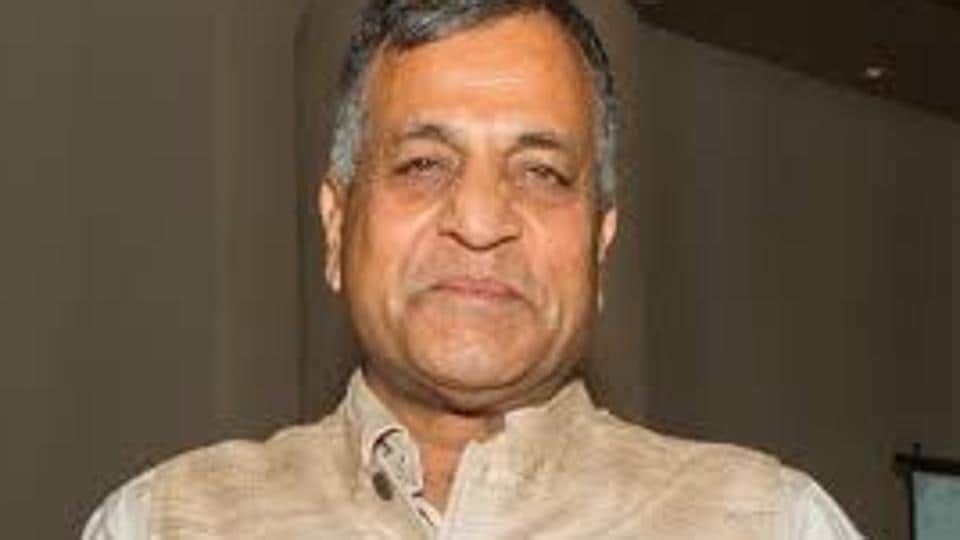
Lavasa was speaking at a programme organised by Saajhi Duniya at the UP Press Club, where he was in conversation with Jawaharlal Nehru University faculty member prof Nivedita Menon on the theme ‘Democracy and the Right to Vote’.
Describing it as a new term altogether, the former election commissioner said Special Intensive Revision finds no mention in either the Representation of the People Act or the Electoral Registration Rules. “However, the Election Commission has powers to make necessary revisions - annual revision, summary revision and intensive revision. The panel can also determine the process for revision under Rule 23,” he added.
Referring to the SIR drive in Bihar, Lavasa said three things that needed to be discussed included purpose, principles and procedure.
“The purpose was made clear by the Election Commission through a notification in 2025 - that neither an eligible voter should remain outside the electoral roll nor should any ineligible voter be included. The eligibility criteria of a voter as per Article 326 is that they should be Indian citizens, have attained age of 18, have a sound mind and not be disqualified under existing laws,” he said.
He mentioned how voter registration in India had always been a responsibility of the state, which had been transferred to individuals.
“When registration was primarily the state’s responsibility, India had a voter-to-population ratio of over 99%. That is no longer the case,” he added.
Questioning the fairness of the process, he said: “If a person who has been voting since the first general election in 1951 fails to submit an SIR form for any reason and their name is deleted, is that fair? It effectively turns the tables on the voter.”
Citing the Bihar exercise, he said that if the purpose was purification of electoral rolls and the pre-filled forms only required signatures of voters, how would it correct the discrepancies? Many did not have even 11 documents prescribed earlier, prompting the Election Commission to ease the requirements later.
“Those whose names are deleted can be reinstated by following due process, and the Election Commission maintains that everything has been done legally. But the real issue is whether everything legal is fair, especially when in an attempt to identify around 300 ineligible voters in a state, nearly 7.89 crore had been asked to prove their eligibility?” Lavasa questioned.