
 E-Paper



Rehabilitation prog for beggars comes to artistic end
A permanent night shelter, as part of its Bhikshavritti Mukti Abhiyan, conducted a psycho-behavioural therapy session involving art, to conclude the rehabilitation process for beggar inmates, in Lucknow, on April 22


A permanent night shelter, as part of its Bhikshavritti Mukti Abhiyan, conducted a psycho-behavioural therapy session involving art, to conclude the rehabilitation process for beggar inmates, in Lucknow, on April 22. The inmates belonged to the eighth cohort of beneficiaries of the programme.
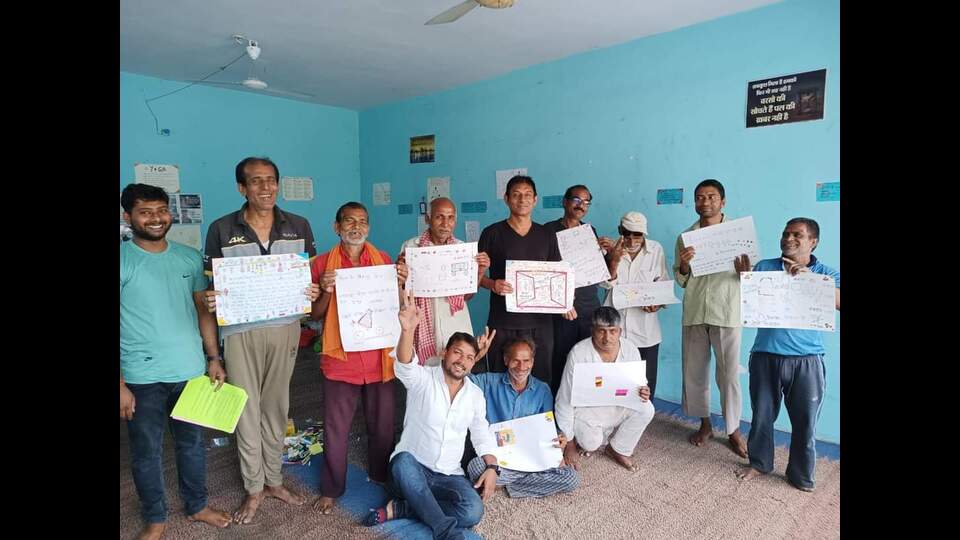
At the session they exchanged their experiences of the rehabilitation programme and shared how it helped them overcome their depression and lack of confidence. This rehabilitation programme is a six-month process. It was begun in 2014 by Sharad Patel, founder of Badlav NGO. The rehabilitation process is done in five phases, starting from rescue to reintegration with the families of the beggars. Patel is also in-charge of the Nagar Nigam shelter home at Tikaitganj
According to Patel, so far, the programme has rehabilitated nearly 400 beggars, equipping them with job skills and reuniting them with their families. This 8th cohort consisted of 22 people rescued from beggary from various locations in the city.
“During this process, we counsel them to find out why their attempts at earning a living had not borne fruit, and after that, we coach them to go back into those professions, and equip them with those skills,” elaborated Patel.
“Psycho-behavioural therapy is a weekly occurrence for the beneficiaries of this programme. This cohort today completed their time in the programme, and this was the concluding session,” said Patel.
As a part of the final therapy session, the inmates made artworks depicting their gains and learnings throughout the rehabilitation process. “It feels as though we too are humans, as otherwise we are treated as less than,” said one of the inmates at the therapy session.
Another inmate, who had been diagnosed with tuberculosis was unable to get admitted into any hospital, “I had lost all hope of living a long life,” he said. He is now undergoing regular treatment, after enrolling in this programme with the shelter home.
“Earlier I was unable to speak, and I was losing my voice - now I am in much better shape and get regular check-ups,” he said.
The session was attended by 12 of the beneficiaries who are yet to be reintegrated into society with jobs and with their families. The other 10 from this cohort had already returned home by the end of March with a reformed lifestyle as well as a source of income.


