
 E-Paper



Schools’ merger may endanger education in rural areas: SP Maurya
Such decisions can endanger the future of education in rural areas, especially for the children of poor, Dalit, tribal and backward classes, says former minister

 Prefer HTon Google


LUCKNOW Apni Janata Party chief Swami Prasad Maurya on Tuesday took pot shots at the Bharatiya Janata Party government in UP over its recent decision of merger of schools with less than 50 students, alleging it was an attempt to hand over education into private hands.
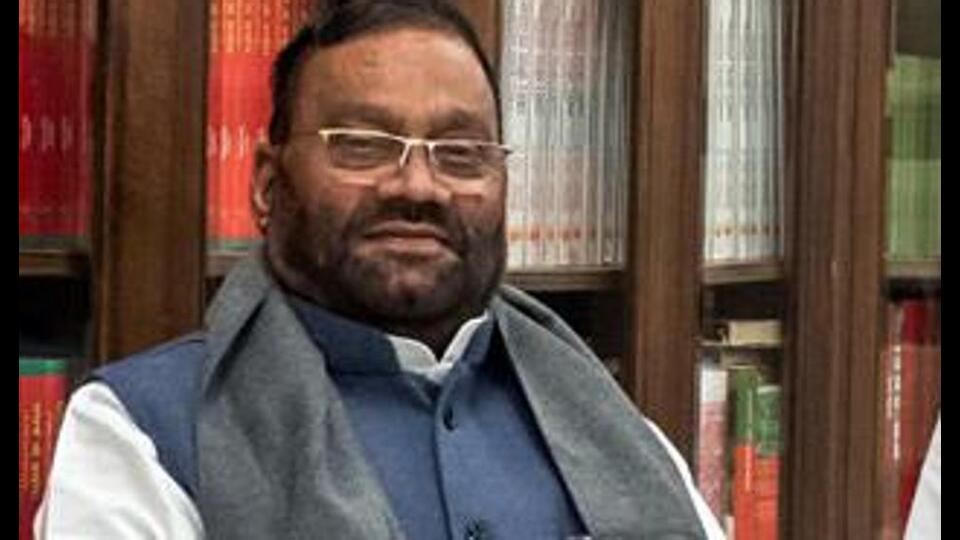
“There are plans to close primary and upper primary schools with less than 50 students. The government is calling it ‘school merger’, but the ground reality is something else. Such decisions can endanger the future of education in rural areas, especially for the children of poor, Dalit, tribal and backward classes,” he said speaking at a press conference at his residence here.
The former minister said the decision would deprive thousands of children of education. “Moreover, it will have a huge impact on girls who may drop out by 90% in rural areas while 50% of the boys may drop out after this merger,” added Maurya.
“Farmers, labourers, Dalits, tribals and backward class people, who do not have resources, send their children to village schools. If these schools are closed, where will these children go...what will happen to the mid-day meal scheme? This decision is not only against Article 21A and 46 of the Constitution, but also anti-poor and anti-people,” he said.
The AJP chief requested the government to reconsider this decision in the interest of poor kids, saying: “According to the Constitution, it is the government’s responsibility to provide free and compulsory education to children between 6 and 14 years of age. This is covered under Article 21A and the Right to Education Act (RTE Act, 2009). In such a situation, closing schools is a direct violation of the Constitution.”
Maurya also asked the government not to engage teachers in other irrelevant works apart from teaching and urged chief minister Yogi Adityanath to review his decision. “It seems this is a deliberate attempt to privatise the education system and prove that our teachers are ineffective,” alleged Maurya.


