
 E-Paper



Union Budget: Sarnath, Hastinapur to be developed as cultural destinations
According to the proposal, the Centre will open curated walkways at these sites, including immersive storytelling and technologies to help conservation labs, interpretation centres, and guides.


Sarnath and Hastinapur in Uttar Pradesh are among the 15 archaeological sites across India that the Centre proposes to develop as “vibrant, experiential cultural destinations”. The proposal was contained in the Union budget 2026-27 that finance minister Nirmala Sitharaman presented on Sunday. Hastinapur is located in Meerut district and Sarnath is in Varanasi.
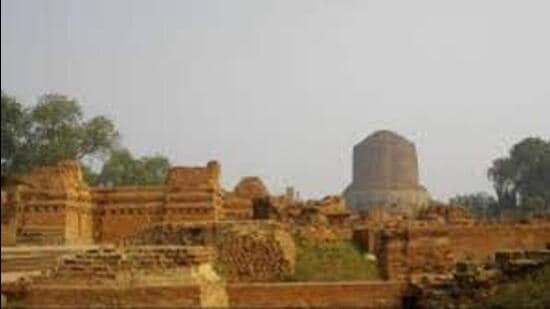
According to the proposal, the Centre will open curated walkways at these sites, including immersive storytelling and technologies to help conservation labs, interpretation centres, and guides.
Sarnath—where Lord Buddha delivered his first sermon—will be developed with a focus on enhancing visitor experience while preserving its sanctity.
Hastinapur, the ancient capital of the Kuru dynasty and a key site of the Mahabharata era, will be developed as a comprehensive heritage destination. Scientific conservation, upgraded amenities and structured interpretation will help visitors engage meaningfully with its historical legacy.
“I propose to develop 15 archaeological sites, including Lothal, Dholavira, Rakhigarhi, Adichanallur, Sarnath, Hastinapur, and Leh Palace into vibrant, experiential cultural destinations. Excavated landscapes will be opened to the public through curated walkways. Immersive storytelling skills and technologies will be introduced to help conservation labs, interpretation centres, and guides,” Sitharaman said.
The move is likely to see Hastinapur’s excavation areas opened to the general public and new interpretation centres established for tourists and researchers.
A key feature of the FM’s announcement is the proposal to establish interpretation centres in Hastinapur. These centres will provide visitors with detailed insights into the town’s historical evolution, major archaeological discoveries, and cultural importance.
Officials said the centres were expected to play a crucial role in promoting educational tourism, particularly benefiting researchers, students, and scholars.
“The inclusion of Sarnath and Hastinapur in the development programme for the country’s 15 major archaeological tourist sites is considered a major achievement for Uttar Pradesh,” said a press statement issued by the state government.
“This will not only strengthen Uttar Pradesh’s historical and cultural identity on the global stage, but is also expected to significantly increase the number of international tourists... Consequently, this will create large-scale employment opportunities, both directly and indirectly, for local youth,” the statement added.
The budget announcement was also welcomed by locals, who felt that the initiative would generate new employment opportunities and significantly boost the local economy.
Sectors such as hospitality, tour and guide services, handicrafts, and transportation are expected to see increased activity as tourist footfall rises, they said.
The first major mention of Hastinapur in a Union Budget was in the 2020-21, when the government flagged Hastinapur as one of five archaeological sites to be developed into “iconic” destinations with on-site museums as part of heritage tourism and cultural preservation efforts.
(With agency inputs)


