
 E-Paper



U.P. cabinet approves MSMEs & bioenergy policies, STC
The STC will replace the state planning commission that was set up on August 24, 1972. The state planning commission had lost its relevance after Narendra Modi government on January 1, 2015 decided to do away with the Planning Commission of India and set up the National Institution for Transforming India as a policy think tank, also called the NITI Aayog.


Lucknow: Uttar Pradesh cabinet on Tuesday approved a proposal to reorganise the State Planning Commission as the State Transformation Commission (STC) on the pattern of the Niti Aayog. It also approved a Micro Small Medium Enterprises Promotion Policy (MSME) 2022 and Uttar Pradesh Bioenergy Policy-2022 to encourage setting up of MSMEs and bioenergy projects.
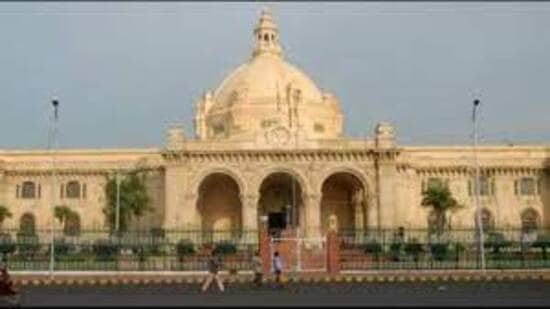
Chief minister Yogi Adityanath presided over the meeting of the state cabinet that decided to set up the State Transformation Commission. The state government, while presenting its annual budget for 2020-2021 in the state assembly, had made an announcement to set up State Niti Aayog here on February 18, 2020.
The STC will replace the state planning commission that was set up on August 24, 1972. The state planning commission had lost its relevance after Narendra Modi government on January 1, 2015 decided to do away with the Planning Commission of India and set up the National Institution for Transforming India as a policy think tank, also called the NITI Aayog.
Chief minister Yogi Adityanath will be chairman of the commission while finance minister, two deputy chief ministers, agriculture minister, social welfare minister, panchayat raj minister, industrial development minister, minister for Jal Shakti and minister for urban development etc. will be its ex-officio members.
Specialists from various fields would also be nominated to the commission. Additional chief secretaries, principal secretaries and secretaries of select departments would also be ex-officio members of the commission.
The State Transformation Commission would act as a policy think tank besides performing the work that the state planning commission has been doing up to now.
The commission will work on various innovations in different sectors and help the state government achieve the objective of making Uttar Pradesh a trillion-dollar economy.
The chief minister will nominate an experienced civil servant or educationist as vice chairman of the State Transformation Commission for 3 years. The tenure can be extended for two years under special circumstances. Non-government officers will be nominated for three years and their tenure may also be extended for two years. The CM will also nominate an experienced, serving or retired officer of principal secretary or above rank as chief executive officer for three years and the CEO’s tenure may be extended for two years in special circumstances.
Under the new MSMEs promotion policy, a decision to identify 5 acres or more land in every village panchayat has been taken to boost the MSMEs in villages. This land would be transferred to the directorate of industry. The policy proposes to develop industrial belts on both the sides of expressways. Under the policy, 5 acres or more land within 5 km or more area on both the sides of expressways would be identified and developed as industrial clusters to boost setting up of the MSMEs. Those having 10 acres or more land in private sector will also be encouraged to develop industrial parks etc.
Under the new bio energy policy, incentives would be given to bioenergy (compressed biogas, bioethanol and biodiesel etc.) projects. A token lease rent of ₹1 per acre will be charged to provide land for such projects. The policy provides for various other incentives and subsidies as well.


