
Sign in

Discoms in Uttar Pradesh mull DBT mechanism

Under the proposed system, consumers will have to pay the full bill to discoms at the normal tariff and the state government will give subsidies directly to the consumers

Updated on: May 30, 2023, 21:20:53 IST
Share
Share via
  • facebook
  • twitter
  • linkedin
  • whatsapp
Copy link
  • copy link

LUCKNOW With the UP Electricity Regulatory Commission (UPERC) repeatedly emphasising on the need for introduction of direct benefit transfer (DBT) system in the power sector, discoms in UP are working out a mechanism for direct transfer of power subsidies to the targeted consumers, including farmers.
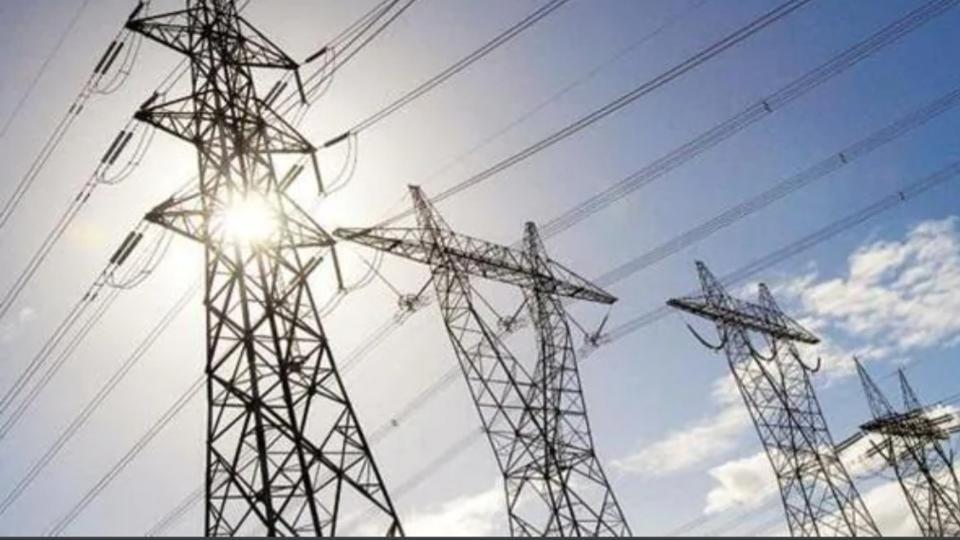
Initially, the DBT may be started as a pilot project in a district or a zone, instead of the entire state. But it has to be done as the Centre is also asking for DBT of power subsidies, said an energy department official. (Pic for representation)

The UP Power Corporation Ltd (UPPCL), which owns five discoms in the state, may submit an action plan to the regulator in this regard in November, when it files the annual revenue requirement (ARR) petition for 2024-25, said officials.

“Initially, the DBT in the sector may be started as a pilot project in a district or a zone, instead of the entire state, to assess its results. But it has to be done as the Centre is also asking for DBT of power subsidies,” said an energy department official.

Under the proposed system, consumers will have to pay the full bill to discoms at the normal tariff and the state government will pay subsidies directly to the consumer. Currently, the state government provides subsidies discoms in lieu of which discoms charge a lower tariff from consumers and make up for the loss from government subsidies.

In its tariff order last week, the UPERC had asked discoms to submit the roadmap for DBT in their ARR filling. The commission had also asked discoms for the DBT system in 2020 and had been pushing for it since.

“In view of ensuring transparent utilisation of public resources by way of subsidy, the petitioners are directed to prepare a scheme for transfer of subsidy in a transparent manner with the approval of the state government to be implemented with effect from April 1, 2022,” the regulator had said then.

Reiterating its old stand, the commission in its tariff order on Thursday directed petitioners (discoms) to submit a roadmap for DBT in their next ARR filing for its consideration subject to meeting the provisions under Section 65 of the Electricity Act, 2003, wherein the subsidy amount is to be provided to discoms by the government in advance.

In UP, the state government shells out around 15,000 crore as subsidies to discoms to keep power tariff lower for certain consumer categories such as agricultural, lifeline (poor), rural domestic, power handlooms etc.

In 2022-23, the state government had provided a subsidy of 14515.66 crore to discoms. Agra, Lucknow, Meerut and Varanasi got subsidies of 3770.27 crore, 3304.54 crore, 3777.71 crore, respectively, while KESCo needed none in the same year.
  • Brajendra K Parashar
    ABOUT THE AUTHOR
    Brajendra K Parashar

    Brajendra K Parashar is a Senior Journalist with the Hindustan Times, based in Lucknow, with nearly three decades of experience covering governance, public policy, politics and development in Uttar Pradesh. Over the years, he has reported extensively on key sectors, including energy and renewable power, mobility and transport, road safety, agriculture and allied sectors and issues related to farmers, rural development, taxation under the Goods and Services Tax (GST) and public administration. A seasoned political correspondent, Parashar closely tracks the Bharatiya Janata Party (BJP) and has covered every major election in Uttar Pradesh right from three-tier panchayat elections and urban local body polls to Assembly and Lok Sabha elections. He also reports regularly on the proceedings of the Uttar Pradesh Legislature, bureaucracy, governance, policy decisions and administrative developments with focus on their impact on public life. His reporting is known for its strong analytical approach, extensive use of official data. His areas of interests include investigative journalism, long-form political and policy analysis, data-driven reporting, elections and institutional reforms. Parashar holds a postgraduate degree in Political Science with First Division from Aligarh Muslim University (AMU), followed by a Diploma in Journalism and Mass Communication from the same university. His inclination towards journalism began during his student days, when he regularly contributed letters to editors and articles to newspapers and magazines. In the mid-1990S, his essay, “Should India Switch Over to the Presidential Form Of Government?”, published in Politics India magazine edited by noted constitutional expert Subhash C Kashyap, was adjudged the best entry in a national competition. His work has received professional recognition, including the Hindustan Times Journalist of the Month Award for an impactful series on drinking water issues during the 2010 Lok Sabha election campaign. Originally from Kasganj in western Uttar Pradesh, Parashar is currently based in Lucknow where continues to report on politics, governance and public policy.Read More