E-Paper



UP India’s 3rd largest economy but per capita power usage among lowest
Energy minister AK Sharma says, “We are trying to increase it by augmenting production. Our aim is to provide 24x7 power to all by 2027.”

 Prefer HTon Google


Uttar Pradesh’s per capita electricity consumption remains among the lowest in the country — a reality energy minister AK Sharma admitted while saying, “It is my dream that people get 24×7 power by 2027.”
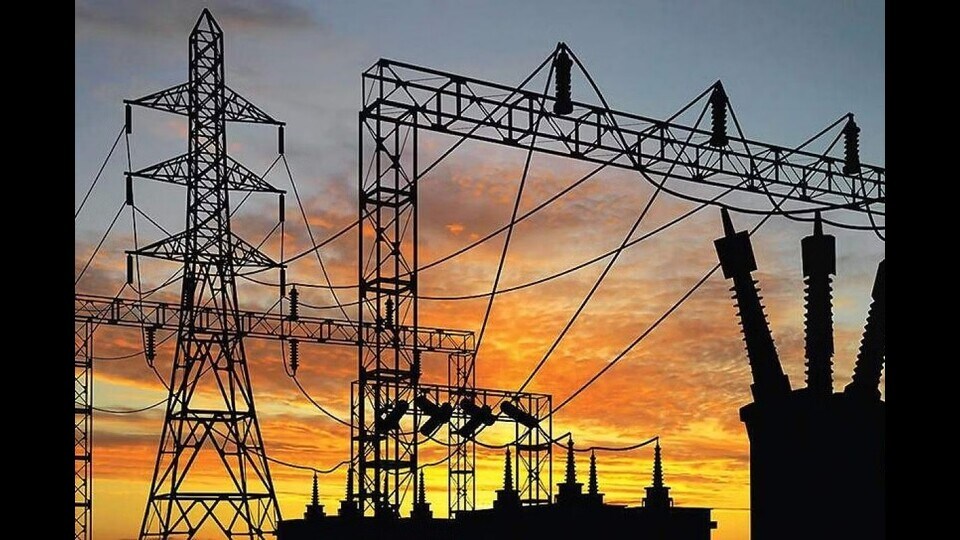
The remarks come as the state electricity regulator prepares to announce a new tariff order this month, after discoms proposed a steep 40% hike. NITI Aayog’s data for 2022-23 shows UP’s per capita consumption at just 723 units, far below the national average of 1,327 units, underscoring the state’s struggle with low incomes, restricted supply and high tariffs.
Per capita power consumption means the average amount of electricity used by one person in a state or country in a year. Electricity use is regarded as closely linked to economic activity and living standards. Higher per capita electricity consumption usually signals more industrialisation, urbanisation and better quality of life in terms of appliances, including air conditioners.
By contrast, states like Gujarat and Tamil Nadu consumed 2,781 units and 2,270 units per person, respectively, in the same year. So did the neighbouring Delhi (1848), Haryana (2360), MP (1230), Uttarakhand (1536), Rajasthan (1501) and Chhattisgarh (2117).
At the other end, Bihar (348 units) and Assam (398 units) consumed even less than UP, while West Bengal (704 units) and Jharkhand (657 units) were in the same low-consumption bracket. Other states whose per capita power consumption is lower than that of UP are Arunachal Pradesh, Manipur and Nagaland. The data highlights how Uttar Pradesh, despite being India’s third-largest economy with a GSDP of ₹22.58 lakh crore, trails far behind in per capita power use.
UP’s low consumption is believed to be due to several reasons. First, the state’s per capita income of about ₹97,000 is much below Gujarat ( ₹3.14 lakh) or Tamil Nadu’s ( ₹2.65 lakh), limiting purchasing power and household demand. Second, supply remains restricted and unreliable. Villages typically receive only around 18 hours of power and small towns about 20 hours, but summers bring long unscheduled outages, leaving demand unmet. Third, tariffs are comparatively higher: a middle-class household in UP pays ₹7–8 per unit, among the costlier slabs in India, discouraging consumers.
“Together, these factors keep consumption artificially low even as demand grows. Unless incomes rise, supply is made reliable and tariffs rationalised, UP will find it hard to raise power use in line with its economic size,” an energy department official said.
Energy minister AK Sharma said UP’s per capita consumption was one of the lowest among the states in India and this he said, was a matter of concern. “Only a handful of states may have a higher per capita consumption than UP,” he noted. He said all efforts were being made to augment power generation capacity by installing more thermal plants in the state.
“We aim to provide 24x7 power to all consumers by 2027,” he said. “And doing so will automatically increase the power usage in the state,” he added. The issue of low per capita power consumption has assumed greater urgency with the tariff order due later this month. Any hike, experts warn, risks further burdening consumers in a state where affordability is already a constraint, even as the government promises uninterrupted power supply in the coming years.