
 E-Paper



Yogi: Monitor high-risk areas to control vector-borne diseases
Measures should be taken so that no hotspot was created with new cases. In case of a hotspot, the municipal commissioner or the executive officer should immediately visit and inspect the place. Hospitals should be provided with medicines and other items, CM Yogi told officials.


LUCKNOW: Amid rising dengue cases in the state, chief minister Yogi Adityanath held a high-level meeting on vector-borne diseases on Saturday.
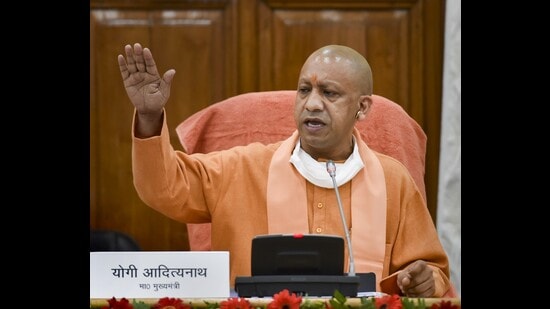
Yogi told the officials concerned to monitor high-risk areas to control vector-borne diseases and ensure that no hotspots were created, said a government statement after the meeting.
The statement said that the chief minister directed officials of different departments to make coordinated efforts against vector-borne diseases, focusing on dengue.
“The period till November 15 is sensitive, keeping in view communicable diseases. Following list of high-risk areas provided by health department, work to control vector-borne diseases should be done,” the CM told officials at the high-level meeting.
To note, dengue is raging in Gautam Buddha Nagar, Ghaziabad, Kanpur, Meerut, Lucknow and Moradabad. In Bulandshahr and Sambhal too, dengue outbreak was reported. In Bareilly, Sitapur, Shahjahanpur, Hardoi, Badaun, Pilibhit and Sambhal, malaria cases were reported.
The state has reported over 3500 dengue cases, including over 200 in Lucknow.
Similarly, districts including Barabanki, Prayagraj Kanpur, Kushinagar, Sant Kabir Nagar, Saharanpur and Basti are sensitive to chikungunya. These districts needed special attention, said the press statement issued after the review meeting.
“Between January 1 and September, no deaths have been reported due to encephalitis. The disease that played havoc in eastern Uttar Pradesh for four decades with 50,000 deaths till 2017, was brought under control in five years,” said the CM.
Measures should be taken so that no hotspot was created with new cases. In case of a hotspot, the municipal commissioner or the executive officer should immediately visit and inspect the place. Hospitals should be provided with medicines and other items, CM Yogi told officials.
All government and private hospitals and medical institutes must report new cases they treated. One nodal officer should be deputed for each primary health centre, community health centre, hospital and medical college, to carry out inspection every evening and help hospitals maintain proper care of patients, the officials were told.
Anyone trying to disturb health care facility would face action, the CM said.
The staff of urban development, rural development and panchayati raj should ensure fogging and anti-larva spray to control mosquito breeding in state, he said.
The response time of an ambulance should be minimum..
The education department should ensure sensitization of students and their parents about vector-borne diseases and this had to be done by nodal teachers. Information on wearing full-sleeve shirts and full-length trousers should be shared with students. Details of any student suffering with fever should be reported to health teams, he said.
Regular cleaning of all animal enclosures should be done by the animal husbandry department. To eliminate the possibility of mosquitoes breeding in water containers used for drinking by animals, it was necessary to change water regularly.
The drains should be cleaned and the silt should be removed. Special cleanliness drives should be conducted in slums and efforts should be made for solid waste management, the officials were told.


