
 E-Paper



BMC opens up 26 slum pockets for redevelopment
As per policy, only those developers who have prior slum redevelopment experience can apply for the scheme and the appointed developer would have to first construct rehabilitation units and then be permitted to construct and sell the free sale component

 Prefer HTon Google


Mumbai: The Brihanmumbai Municipal Corporation (BMC) has opened up 26 slum pockets across the city for redevelopment by inviting expressions of interest from developers. The 26 pockets include some which did not attract favourable response during the two previous rounds of bidding in 2025, as well as fresh settlements, said Rahul Shinde, assistant engineer with BMC’s estate department.
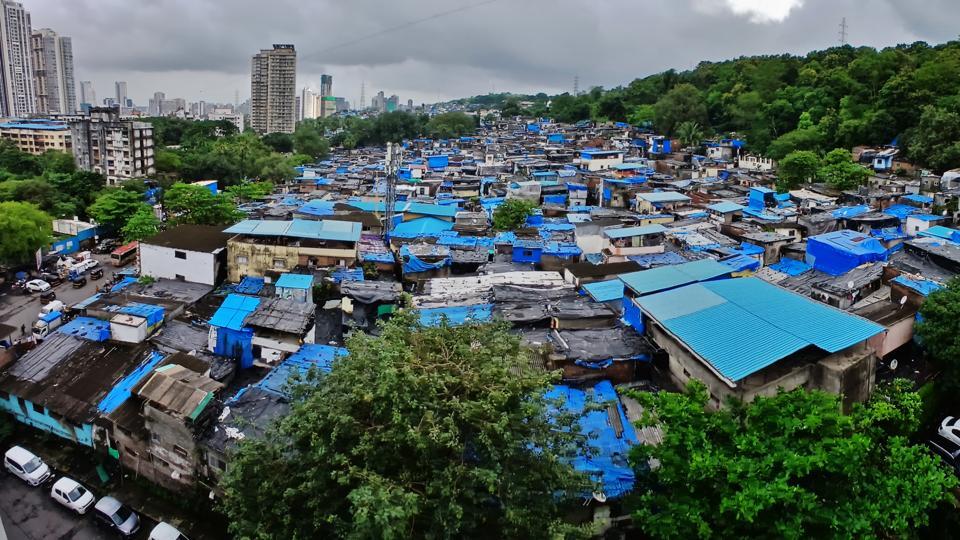
In September 2024, the state government had issued a government resolution appointing seven government agencies including the BMC to enter into a joint venture with the Slum Rehabilitation Authority (SRA), to develop 228 projects involving 218,931 tenements. Accordingly, the BMC has been named planning authority for 64 slum redevelopment schemes. Among these, 47 schemes were opened up for redevelopment in May and September 2025.
In all, the 26 slum pockets opened up for redevelopment in the third round occupy 447,871.58 square metres. Eighteen pockets measuring 398,213.67 sq m and comprising 22,771 tenements are located in Govandi; one in Ghatkopar West measuring 29,632.25 sq m and comprising 1,935 hutments; two in Chembur measuring 17,491.74 sq m and comprising 1,137 tenements; and one in Vile Parle measuring 2,533.92 sq m and comprising 148 tenements.
As per policy, only those developers who have prior slum redevelopment experience can apply for the scheme and the appointed developer would have to first construct rehabilitation units and then be permitted to construct and sell the free sale component.
The BMC’s definition of slum rehabilitation involves rehabilitation and resettlement of slum dwellers, in tenements measuring 20.90/25.00/27.88 sq m (carpet area).
Although consent of slum dwellers is not required for such projects, the developer would have to conduct Information, Education and Communication (IEC) activities with slum and non-slum occupants. Developers would also be expected to study and understand the SRA scheme under DCPR 2034 and the Maharashtra Slum Act in detail before such engagement.

Stay updated with all the Breaking News and Latest News from Mumbai. Click here for comprehensive coverage of top Cities including Bengaluru, Delhi, Hyderabad, and more across India along with Stay informed on the latest happenings in World News.


