
 E-Paper



Broaden scope of ‘iconic buildings’, citizens say
Many found the definition of ‘iconic’ vague, while some were concerned about the scope of the selection committee that would select these projects


MUMBAI: Should an ‘iconic building’ be defined only by its physical attributes or its public values as well? Fundamental questions like this were raised at a public meeting to discuss objections and suggestions to the BMC’s proposed policy on the development of iconic structures aimed at enhancing Mumbai’s skyline and boosting tourism.
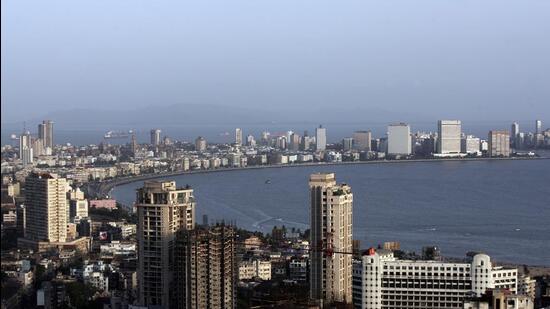
The meeting, held at the civic headquarters on Thursday, saw around 15 people, including representatives of architects, urban planners and civic groups, developers and citizens expressing their concerns on a proposal by the Brihanmumbai Municipal Corporation (BMC) to include a new regulation – Regulation 33(27 – in the Development Control and Promotion Regulations (DCPR), 2034, on these ‘iconic’ structures. The objections and suggestions will be submitted to the state urban development department.
At the meeting, many found the definition of ‘iconic’ vague, while some were concerned about the scope of the selection committee that would select these projects, while still others wanted to know how these buildings would impact the character of the surrounding neighbourhood.
“The definition of ‘iconic’ should be broadened to include structures of different use, like cultural and educational,” said Shirish Sukhatme, an architect and representative of the Practicing Engineers Architects and Town Planners Association (PEATA). His view was echoed by representatives of the Fort Heritage Conservation Association, Urban Design Research Institute (UDRI) and civic NGO NAGAR. They argued that these structures “should be defined on urban contribution, cultural context, sustainability and public value, not just shape and size.”
Sukhatme made a few other recommendations: increasing the minimum access to the iconic building from 18 to 27 metres, choosing iconic buildings through a national architectural competition, deleting the criterion that the builder should have constructed a built-up area of 1 million square feet, and justification for the additional, premium FSI to be granted to the developer executing the project.
Anish Gawande, spokesperson for the Nationalist Congress Party (SP), who had submitted a letter on the policy with over 2,000 signatures from architects, designers and urban planners, highlighted the concerns of pre-existing heritage precincts. “Our existing iconic buildings need care, and this policy should include them in its ambit too. The new policy should take care not to distort the character of heritage precincts,” he said.
Responding to this, Sunil Rathod, chief engineer with the BMC’s development plan department, said that iconic buildings would not be exempted from heritage norms. Some at the meet mentioned that Marine Drive, for instance, could see garish skyscrapers with glass facades. Setting at rest these concerns, Rathod said, “There is little scope of development in this area, as the height restriction of 32 metres will stay intact and apply to iconic buildings. With developers getting extra FSI under this policy, they will not have scope to use it here in limited space and height.”
Gawande also said a stricter scrutiny committee, like the civic heritage conservation committee, must be set up so that buildings approved under this policy – a maximum of five a year – are selected wisely. He also urged the BMC to exercise cost control to ensure that the iconic buildings, 40% of whose structure must be open to the public on payment of a fee, remain accessible as such.
This did not sit well with two consultants to developers who were present at the meeting. They were concerned about having almost half the iconic structure open to the public. “Such an arrangement would be difficult to implement in iconic residential buildings due to safety concerns,” said Akshay Kataria, one of them.
“On the other hand, commercial buildings only start delivering profits after a few years of running, which means the developer would have to bear the cost upfront. There is also the matter of maintenance costs, which the builder will have to manage for the lifetime of the structure. To do that sustainably, some concessions would be great,” Kataria added.
Priya Mishra, an architect, said that the policy should spell out details such as the ratio of built to unbuilt area, as well as green or open spaces. Other suggestions related to social and heritage impact assessment, prior public consultation, a push for green buildings, among others.
Stay updated with all the Breaking News and Latest News from Mumbai. Click here for comprehensive coverage of top Cities including Bengaluru, Delhi, Hyderabad, and more across India along with Stay informed on the latest happenings in World News.


