
 E-Paper



Half of BMC’s environment budget utilised in FY 2025–26: BMC officials
He claimed that 73% of the allocated ₹113 crore budget had lapsed, with only ₹31.16 crore, about 27%, spent during the financial year. Senior BMC officials contested these figures and claimed that in October 2025, the department’s revised estimate was brought down to ₹76.15 crore

 Prefer HTon Google


MUMBAI: Nearly half of the Brihanmumbai Municipal Corporation’s (BMC’s) Environment and Climate Change Department budget for 2025–26 remained unspent, with funds lapsing due to staffing shortages, infrastructure gaps and procedural delays, senior BMC officials said.
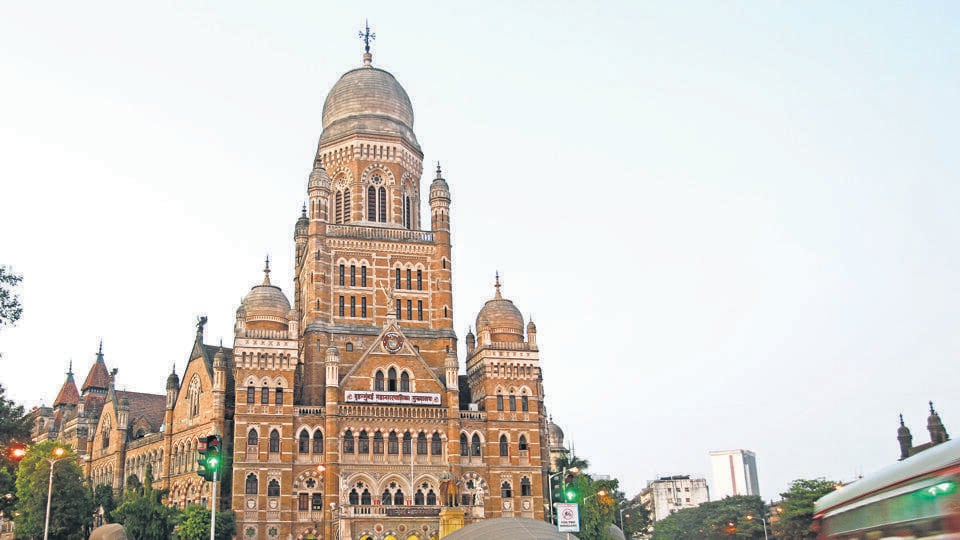
The issue was flagged by Shiv Sena (UBT) corporator Sachin Padwal during the ongoing budget session on Friday, where Padwal alleged significant underutilisation of the department’s funds. He claimed that 73% of the allocated ₹113 crore budget had lapsed, with only ₹31.16 crore, about 27%, spent during the financial year. Raising concerns over worsening air quality levels in the city, he argued that such underutilisation had aggravated pollution and reflected poorly on the civic body’s response to environmental challenges.
Senior BMC officials, however, contested these figures, stating that the ₹113 crore cited was the initial proposed outlay and not the final budget. They said that in October 2025, the department’s revised estimate was brought down to ₹76.15 crore. Of this, ₹38.52 crore was utilised, indicating an expenditure of roughly 50%, with the remaining funds lapsing at the end of the financial year.
Explaining the underspending, officials pointed out that the department was in its first financial year of operations after being established in April 2024, which led to delays in execution. A senior official, speaking on condition of anonymity, said it took time for administrative systems and project frameworks to stabilise. The department also faced acute manpower shortages, functioning with only nine officials for a significant part of the year. The staff strength has since increased to 29, including scientists, a deputy commissioner, a deputy chief engineer and over 20 sub-engineers deployed across administrative wards.
Infrastructure limitations further slowed implementation. Officials said the department did not have dedicated operational space for much of the year, affecting planning and coordination. Of the ₹39 crore allocated for the procurement of battery-operated dust suction machines, only ₹20.8 crore was spent, leaving ₹18.2 crore unutilised. A separate proposal to introduce a misting system aimed at controlling dust pollution was shelved after a senior official deemed it unviable and not worth the investment.
Under other budget heads, ₹15 crore was earmarked for various environmental measures, but only ₹6.6 crore was utilised. An allocation of ₹1.5 crore for office infrastructure saw expenditure of ₹43.48 lakh. Officials said that while the department is currently operating from a space in Ghatkopar, additional locations in Kanjurmarg and Kandivali are still being explored. Delays in finalising these premises affected the department’s ability to function at full capacity.
Aquifer mapping, considered a key component of the department’s long-term water sustainability plans, also saw limited progress. While ₹1 crore had been allocated for the exercise, the work has not been completed. Officials explained that aquifer mapping is essential to facilitate groundwater recharge by enabling rainwater to percolate naturally into the ground. So far, ₹57.18 lakh has been spent on pilot projects under this initiative.
Civic officials attributed several project delays to procedural hurdles, including bureaucratic processes, citizen objections and the need to secure multiple no-objection certificates, particularly in cases where proposed project sites fell outside the BMC’s direct jurisdiction.
For the 2026–27 financial year, the department has been allocated ₹159 crore. Officials said the higher outlay will be used to carry forward incomplete works, expand pilot projects and scale up interventions aimed at improving the city’s environmental performance. With staffing levels now strengthened and administrative systems largely in place, they expressed confidence that fund utilisation would improve significantly in the current year.
However, civic activist Zoru Bhathena criticised the civic body’s approach, arguing that limited spending on environmental mitigation fails to address the scale of ecological damage. “The BMC is spending massive amounts on projects that harm Mumbai’s natural environment. Allocating a few crores to ‘fix’ their self-created destruction is not going to make any difference to our city. The fact that even this allocation remains underutilised shows a lack of intent,” he said.


Stay updated with all the Breaking News and Latest News from Mumbai. Click here for comprehensive coverage of top Cities including Bengaluru, Delhi, Hyderabad, and more across India along with Stay informed on the latest happenings in World News.


