
 E-Paper



Mumbai crosses 100% first dose coverage; time to think about Covid booster shots
The daily Covid deaths reached its lowest of 160 on October 20, but increased step-wise to 803 on October 28, and have not yet returned to 160 — on November 12 it was 555


Vaccination is an intervention for specific purposes, which change over time. When the national Covid vaccination campaign was rolled out (January 16), the initial focus was the health and lives of frontline workers (healthcare, sanitation, police etc), so that they could work with safety and confidence.
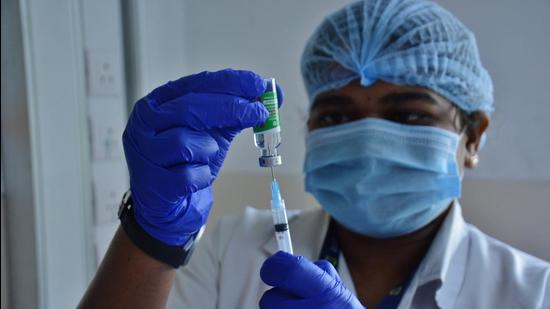
On March 1, the net was widened to cover citizens above 60 years, and those above 45 years with co-morbidities — the most vulnerable groups for severe disease and death. From April 1, all adults above 45 years were allowed to access vaccines. These policy choices were essentially to meet medical needs, to reduce numbers of Covid patients requiring hospitalisation and intensive care.
The next phase was from May 1, when all adults (18 years and above) could get the vaccine. The purpose was now shifted to public health needs, for if the purpose was to reduce hospitalisations and deaths, then the age group of 18 to 45 years would not have been priority. This inclusive approach to mass vaccination for all adults was for us to reach “herd immunity threshold” (HIT) in an attempt to bring the epidemic on its knees, and at worst, allow it to crawl as endemic Covid — with low and steady numbers.
Unrecognised by Covid watchers, India reached HIT, thanks to the second wave by the Delta variant. The epidemic peaked on May 6 (414,433 cases), dropped to 50,174 (seven-day moving average) on June 27 and since then the numbers had been steadily coming down — it was around 40,000 on September 9; 30,000 on September 24; 20,000 on October 8; 15,000 on October 27. This is the endemic phase of Covid lasting 20 consecutive weeks. Now there is no more need for universal coverage for reaching HIT.
It is time to shift the strategy to meet our current needs.
First, let’s recognise what an endemic phase means. Infections will continue. Covid cases will remain low in numbers. So, who are those sources of the virus who are responsible for continued transmission? They are: unvaccinated persons below 18; unvaccinated adults; and persons with breakthrough infections (due to waning immunity after the two-dose vaccination) and re-infections (with waning post-infection immunity). This is good news, but why has mortality gone up recently? The daily deaths reached its lowest of 160 on October 20, but increased step-wise to 803 on October 28, and have not yet returned to 160 — on November 12 it was 555.
Information about those who die and why is not yet in public domain. What we do know: men above 60, all with co-morbidities, all on chronic medication that suppress immunity, and those with cancers and transplants respond to two vaccine doses with sub-optimal immunity. All of them deserve booster doses to better their chances of survival.
Dampening the tempo of virus circulation will lead to fewer infections and lesser deaths. For that, breakthrough infections must be prevented by giving booster doses to all who come forward. There is apprehension, amplified by the World Health Organisation (WHO) that a booster dose deprives someone waiting for second dose. If vaccines were in short supply, that is reasonable. However, India has unused vaccine stocks in several states and institutions — thus, a policy shift allowing boosters will be a wise and ethical decision.
When should booster jabs be given? The best time is six months to one year after the second dose — a standard practise being followed around the world. The Indian Council of Medical Research (ICMR) must monitor the effect of boosters. In a few weeks we will know if they are life-saving and protecting against severe Covid, in comparison with those who did not get booster doses.
(Dr. T. Jacob John is a retired professor of Virology, Christian Medical College (CMC), Vellore)
Stay updated with all the Breaking News and Latest News from Mumbai. Click here for comprehensive coverage of top Cities including Bengaluru, Delhi, Hyderabad, and more across India along with Stay informed on the latest happenings in World News.


