
 E-Paper



Maharashtra Lok Sabha elections: MVA taking over 50% seats a warning for Mahayuti
Of the MVA partners, Nationalist Congress Party (SP) chief Sharad Pawar has emerged the strongest by winning eight of the 10 seats the party was allocated

 Prefer HTon Google


The Maharashtra Vikas Aghadi (MVA), formed in November 2019, has got a shot in its arm by winning over 29 of 48 seats in Maharashtra. The performance by three parties in the opposition alliance despite many challenges – split in two parties, defection by prominent players and criminal action against key leaders – is expected to impact the Assembly elections scheduled between September-October this year.
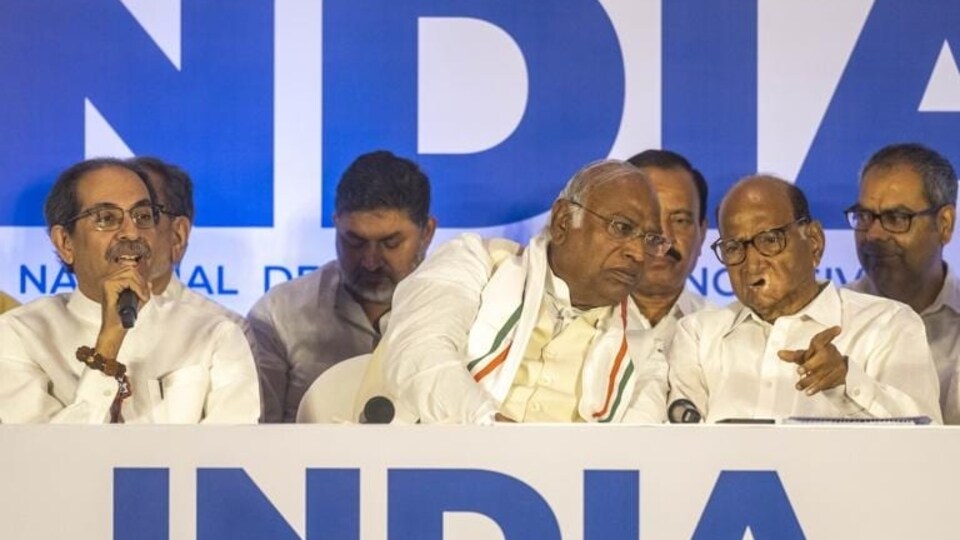
It is a warning bell for the ruling Mahayuti that could win only one third of the Lok Sabha seats in the state.
Of the MVA partners, Nationalist Congress Party (SP) chief Sharad Pawar has emerged the strongest by winning eight of the 10 seats the party was allocated. Congress bounced back and wrested control of Vidarbha from BJP. It bettered its earlier number in 2019, when it won one seat in the state; in 2024 the number rose to 13. On the other hand, against the general perception that Uddhav Thackeray’s Shiv Sena (UBT) would make gains thanks to the electorate’s sympathy after the split in the party, it notched fewer numbers – nine of 21 seats – than its allies.
The BJP, largest party in the ruling Mahayuti, registered poor performance winning nine out of 28 seats. The party had won 23 seats in the 2019 and 2014 LS elections.
A BJP leader, who did not wish to be named, blamed the decline in the party’s fortunes to the Maratha reservation stir, unrest among the farmers, and most importantly, anger among the electorate when a break up of two parties were engineered to strengthen BJP in the state. “The splits proved to be damaging for us – that is the most important lesson from these results. The state government will have to take corrective steps to quell the anger among farmers and agitating Marathas to ensure victory in the Assembly elections,” said the leader.
He added, “Though the numbers were discouraging in Maharashtra, the national figures are strong. Any attempt to make drastic changes may prove counter-productive in the Assembly polls.”
A leader from NCP (AP) however said, “The ruling coalition was riding on the popularity of PM Modi, which failed to work this time. It is time for the alliance to introspect and initiate corrective measures ahead of the Assembly elections.”
After the results were declared, CM Eknath Shinde said, “We lost some seats because of delay in announcing candidates and the false narrative against us set by the opposition. The voters seem to have been taken in by the propaganda of scrapping the Constitution. However, we will introspect and take corrective steps to convince the people about our performance in the state.”
Shinde added, the country has stood by prime minister Narendra Modi and the NDA will form the government for the third time.
NCP (SP) chief Sharad Pawar said: “The success of MVA is not limited to either NCP (SP), Congress or Shiv Sena (UBT). We contested the polls and achieved success. This is a time of change and we will remain together in the future. The results are encouraging and we will continue to endeavour to make changes in the state assembly.”
Mumbai-based political analyst Padmabhushan Deshpande said, “What went against BJP and the ruling alliance were their unethical practices and arrogance. People did not like parties breaking up and split in political families. The electorate expressed it anger and the trend is likely to continue in the Assembly elections, even if the ruling alliance attempts to take corrective measures.”
At present, BJP has 103 seats in the state assembly while its allies Shiv Sena (Eknath Shinde) and NCP (AP) have 40 and 39 seats respectively. In the opposition-led MVA alliance, Congress has 43 seats, Shiv Sena (UBT) 16 and NCP (SP) has 14 seats.


