
 E-Paper



Reports of genome sequencing at Mumbai’s Kasturba hospital to come on Monday
Results of whole genome sequencing of the first batch of swab samples collected from Mumbai to identify mutations of Sars-CoV-2, the virus that causes Covid-19, will be available on Monday. On Friday, Byculla-based Kasturba Gandhi Hospital started genome sequencing, making it the first civic-run healthcare facility in Maharashtra to do so.


Results of whole genome sequencing of the first batch of swab samples collected from Mumbai to identify mutations of Sars-CoV-2, the virus that causes Covid-19, will be available on Monday. On Friday, Byculla-based Kasturba Gandhi Hospital started genome sequencing, making it the first civic-run healthcare facility in Maharashtra to do so.
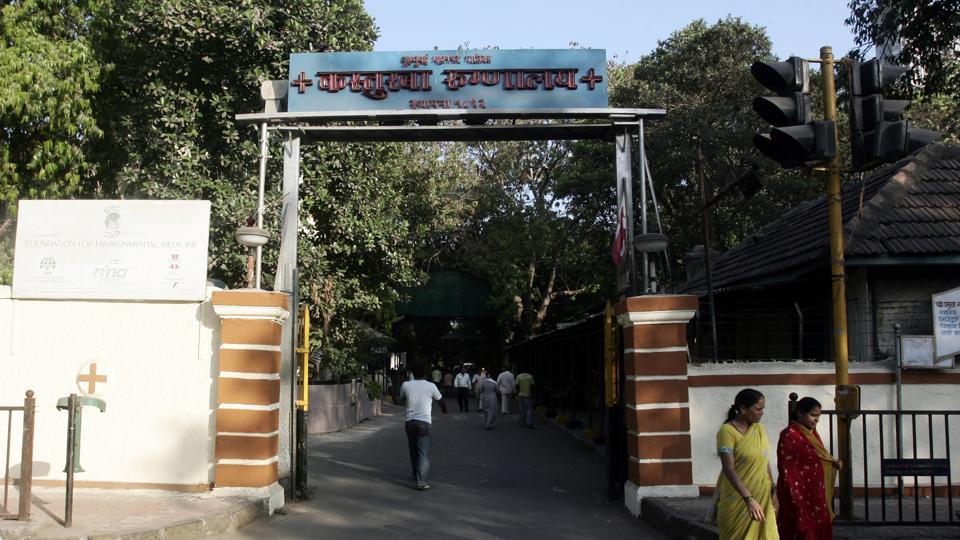
Genome sequencing is an exercise to study the changes in the structure of virus over time. A combination of changes in the ribonucleic acid of the virus can give birth to a new variant.
On Friday, a total of 192 samples were tested for genome sequencing at the hospital. The samples were collected through the Brihanmumbai Municipal Corporation (BMC) from international passengers, Covid-19 hotspots, places with high transmission rate among others. In the next cycle, 384 samples will be tested.
“We will get results of the first cycle on Monday. These tests have three phases. The first phase is library presentation which is also called pre-sequencing preparation. It takes two-three days. Then we do sequencing of samples in the machine which generally takes four to five hours. In the third stage, we analyse the results to understand the variations,” said Dr Jayanti Shastri, in-charge of molecular diagnostic reference laboratory of the hospital. “We started the first process on Tuesday but we loaded the samples for sequencing on Friday. It takes three-four days to get test reports,” she said.
The machines were installed at the laboratory on August 3. For the past two weeks, the hospital was busy with installing and validating the machines.
“After a lot of efforts, we have been able to start genome sequencing at the laboratory. We hope this will help in detecting Delta and Delta Plus variants faster and decrease our dependence on other laboratories,” said Dr Ramesh Bharmal, dean of BYL Nair Hospital which runs the laboratory at Kasturba hospital.
When asked if the laboratory will only test samples from Mumbai or the Mumbai Metropolitan Region (MMR), a senior health officer said, “We haven’t decided it yet, as the primary focus is to run tests on samples from Mumbai.”
At present, 11 Delta Plus variants have been identified in the city with one death. Although the number is increasing, it has not contributed to any sudden rise in Delta Plus cases. The positivity rate of Mumbai stands below 1%.
“What experience from across the world has consistently shown us is that when rates of vaccination are high, even if variants cause surges in infections, such infections tend to be of a milder nature and do not cause hospitalisations or deaths in a large scale. We also need to do our best to limit crowds as overcrowding has consistently led to spread over the past 18 months,” said Dr Lancelot Pinto, pulmonologist and epidemiologist from Hinduja hospital.
Stay updated with all the Breaking News and Latest News from Mumbai. Click here for comprehensive coverage of top Cities including Bengaluru, Delhi, Hyderabad, and more across India along with Stay informed on the latest happenings in World News.


