
 E-Paper



Saif Ali Khan’s insurance claim sparks debate over mediclaim inequalities
Khan has filed a claim of ₹35,95,700 based on the expected cost of his treatment. His insurance provider, Niva Bupa Health Insurance, approved ₹25 lakh

 Prefer HTon Google


Mumbai: The health insurance claim document of actor Saif Ali Khan, leaked on microblogging platform X last week, has ignited a heated debate about the stark differences in how insurance companies handle claims for celebrities vis-à-vis the average citizen. The controversy has highlighted the challenges the middle class faces while filing health insurance claims, particularly in cases of emergency treatments.
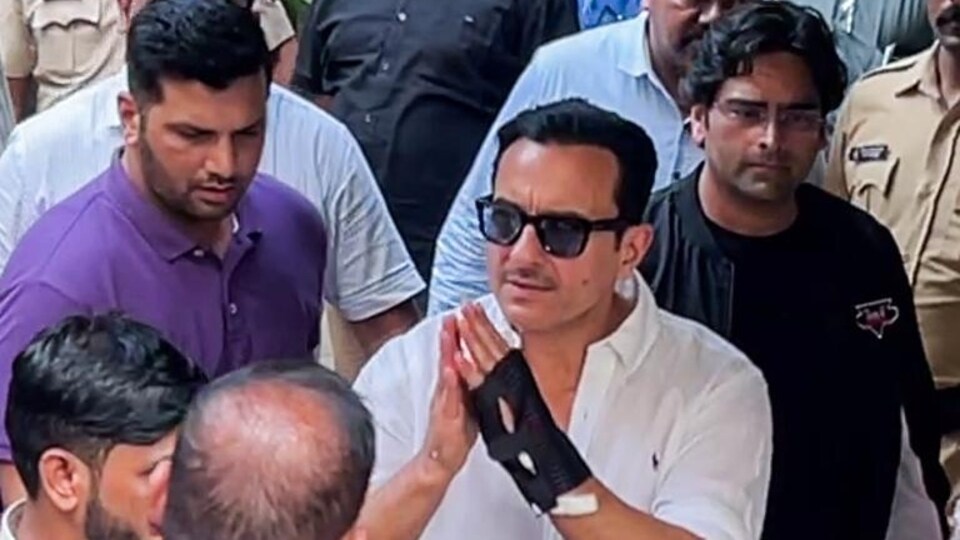
The leaked document revealed that Khan had filed a claim of ₹35,95,700 based on the expected cost of his treatment. His insurance provider, Niva Bupa Health Insurance, approved ₹25 lakh. Eventually, his hospital bill came up to ₹26 lakh, according to sources.
The document spurred discussions on social media, with several users voicing concerns about discrepancies in insurance claim approvals. Dr Prashant Mishra, a cardiac surgeon at Tunga Hospital in Malad, took to X to share his experience: “For small hospitals and the common man, Niva Bupa will not sanction more than ₹5 lakh for such treatment. Five-star hospitals are charging exorbitant fees, and mediclaim companies are paying them. The result? Premiums are rising, and the middle class is suffering,” he wrote.
Speaking to Hindustan Times, Dr Mishra elaborated on the matter, stating that insurance companies often dictate the amounts they approve for specific treatments, irrespective of the actual costs incurred by patients or hospitals. He expressed concern over the exorbitant fees certain hospitals charge, which insurance companies reimburse, ultimately driving up premiums for all policyholders.
Dr Mishra further pointed out that many insurers are more lenient with high-profile patients or luxury hospitals, creating an uneven playing field. Such policies disproportionately burden the middle class, as rising premiums make mediclaim policies less affordable.
“The system is skewed towards those who can already afford the best healthcare, leaving the middle class to bear the brunt of rising costs and limited claim approvals,” he said.
Real-life struggles
Kiran Karkera, 28, shared his experience filing an insurance claim after undergoing spine surgery earlier this month. Karkera said he had to pay ₹1.8 lakh as a deposit upon admission since his surgery, though urgent, was not classified as an emergency. Despite having a top-up policy, Karkera found himself navigating a tedious process of applying for claims after his primary policy coverage was exhausted.
“Missing a step in the process, even for minor details, can leave you footing the bill. Policyholders often feel overwhelmed during emergencies,” he said.
Mahesh Seth, whose 67-year-old wife underwent a hip replacement and knee surgery following a major accident last November said he had to pay ₹4 lakh upfront at the time of admission since the hospital was not part of his insurer’s network. He was eventually reimbursed ₹3.88 lakh, while the remaining amount was deemed non-reimbursable due to exclusions like consumables. “There’s always a part of the claim that isn’t reimbursed, and rarely does anyone receive the full sum insured,” said Seth.
A 33-year-old Goregaon resident, who requested anonymity, recounted her ordeal after undergoing an endoscopy at a Parel hospital. Despite paying ₹15,000 for the procedure, her claim was rejected by the insurance company on the grounds that it was performed on an outpatient basis (OPD) rather than as a day-care procedure. “If the procedure is the same, why should I need day-care admission just to meet technical requirements? Most rejections are based on such technicalities,” she said.
Mahavir Chopra, an insurance consultant, shed light on the limitations of cashless insurance policies during emergencies. He explained how many hospitals require immediate payments for treatments during nighttime emergencies, with reimbursements coming later.
“For instance, a relative of mine had to rush a five-year-old child to the hospital at night after he got an alphabet block stuck in his nose. The treatment, including tests and vacuum removal, cost ₹20,000, but no reimbursement was provided as it didn’t meet the 24-hour hospitalisation requirement,” Chopra said.
Insurer response
A Niva Bupa spokesperson said that the cost of treatment depends on multiple factors, including the disease, severity of the patient’s condition, procedure or treatment undertaken, the city and the hospital where the treatment is availed. “The same treatment would cost different in different hospitals. Moreover, even in the same hospital, the treatment cost would vary depending on the type of room that the customer has opted for.”
Claims are adjudicated as per the customer’s policy terms and conditions, the spokesperson said. Health insurers work with most hospitals on a mutually agreed tariff, which is periodically revised to adjust for medical inflation. However, some hospitals practice open billing without a fixed tariff.
Customers can get admitted to the hospital of their choice and file for either a cashless or a reimbursement claim. In the case of cashless claims, customers are required to submit a pre-authorisation request to their insurer at least 48 hours before the treatment when it’s a planned hospitalisation, and preferably within 24 hours of admission or as early as possible in case of emergency hospitalisation, the spokesperson said.
In the case of a reimbursement claim, customers have to settle their bills with the hospital and file for reimbursement of those expenses with the insurer within 30 days of discharge, which is then processed within about 15 days of submission, the spokesperson added.

Stay updated with all the Breaking News and Latest News from Mumbai. Click here for comprehensive coverage of top Cities including Bengaluru, Delhi, Hyderabad, and more across India along with Stay informed on the latest happenings in World News.


