
 E-Paper



Thane Ring Metro project to uproot 317 trees in Yeoor-SGNP eco-sensitive zone
The alignment will pass through the eco-sensitive zones of Majiwada, Chitalsar, Manpada, Waghbil and Gaimukh, according to a forest official. The project could potentially disrupt the region’s flora and fauna, raising further concerns over its environmental impact

 Prefer HTon Google


THANE: The proposed ₹12,200-crore Thane Ring Metro project will lead to the uprooting of 317 trees within the eco-sensitive zone of the Yeoor-Sanjay Gandhi National Park (SGNP), even as the project’s alignment is expected to affect homes, industrial properties and green cover across Thane.
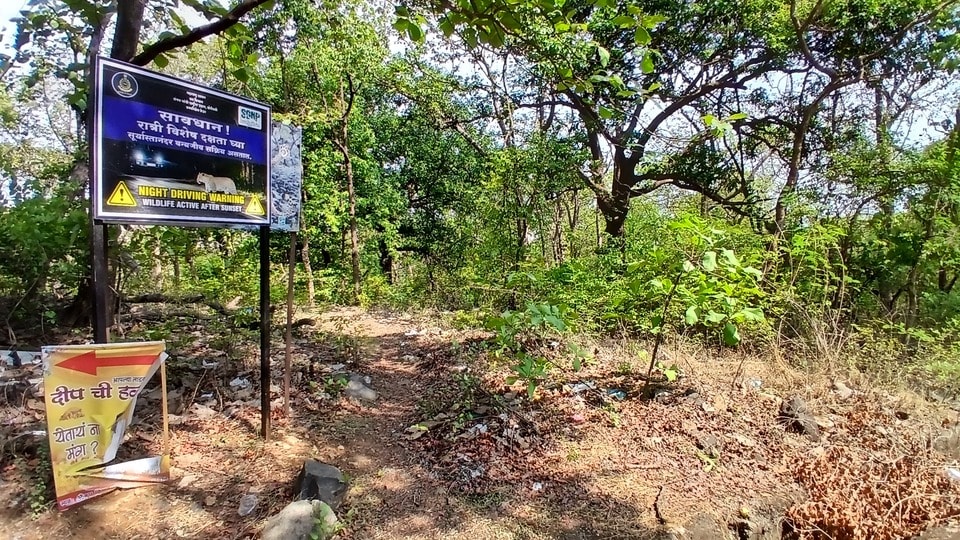
The alignment will pass through the eco-sensitive zones of Majiwada, Chitalsar, Manpada, Waghbil and Gaimukh, according to a forest official. The project could potentially disrupt the region’s flora and fauna, raising further concerns over its environmental impact.
Pradeep Patil, deputy director, Sanjay Gandhi National Park, Thane Division, told HT that the project would require forest land between Majiwada and Gaimukh, although the exact land requirement within the sensitive zone has not yet been determined.
“The National Park will lose 317 trees due to the construction of the Thane Ring Metro Project. Of these 317 trees, 259 are native species. In other parts of the state and country, eco-sensitive zones are generally around 1 km from national parks, but in Mumbai and Thane, the distance is only 100 metres,” Patil said.
The environmental concerns add to a growing list of objections raised by locals, city planners, politicians and NGOs against the project, which is intended to decongest Thane, reduce private vehicle use, encourage public transport and provide connectivity to Metro Lines 4 and 5 and the Central Railway at Thane station.
Critics have questioned the project’s feasibility, the possibility of worsening traffic congestion, the duplication of metro services and stations, and the risks posed to old building structures. They have also raised concerns over the cutting or transplantation of more than 3,100 trees and the prolonged construction period in high-footfall areas around Thane railway station.
Advocate Radhika Prakash Rane, founder of Thane Against Integral Ring Metro (TAIRM), said project documents indicate that the alignment would affect forest land within SGNP and pass through its notified eco-sensitive zone.
“Mature trees are not merely obstacles to infrastructure. They provide clean air, reduce urban heat, support biodiversity, absorb carbon and protect our ecological balance. Once mature forests are destroyed, planting saplings elsewhere cannot replace the ecosystem lost,” Rane told HT.
She also stressed the importance of protecting mangroves and forests while planning the city’s infrastructure.
“Mangroves are vital, acting as coastal barriers and reducing flooding and erosion. Development is necessary, but it must be sustainable. Thane needs infrastructure, but not at the irreversible cost of its green cover. We must protect our mangroves and forests while planning our future,” she said.
Maha Metro, however, has said it plans to compensate for the project’s overall impact on green cover through transplantation and fresh plantation. Shravan Hardikar, managing director, Maha Metro, said around 3,100 trees would be affected across the project, of which 500 would be cut and 2,600 transplanted.
“Additionally, Maha Metro will plant more than 37,000 trees to compensate for the loss of green cover. These trees will be monitored for seven years after plantation,” Hardikar said.


Stay updated with all the Breaking News and Latest News from Mumbai. Click here for comprehensive coverage of top Cities including Bengaluru, Delhi, Hyderabad, and more across India along with Stay informed on the latest happenings in World News.


