
 E-Paper



Spare the rod, save the child
The act of feeling unsafe around a parent, impacts the child’s psychological safety and their attachment, as a result these children in school and even as they grow up may struggle with trust, forming close relationships, remain hypervigilant for possible danger and even blame themselves completely when things don’t work out

 Prefer HTon Google


A 48-year-old male in therapy tells me, “I remember when I was 7 years old, my mum hit me and then locked me in the washroom for the entire night and switched off the light. I had lied about a class test. It was one of the many instances where I was beaten up. While my mum passed away a year ago, I still have nightmares about being hit by her, and I wake up in the night feeling scared and unable to breathe. I don’t hate her; I just want the nightmares to stop and to be able to sleep peacefully.”
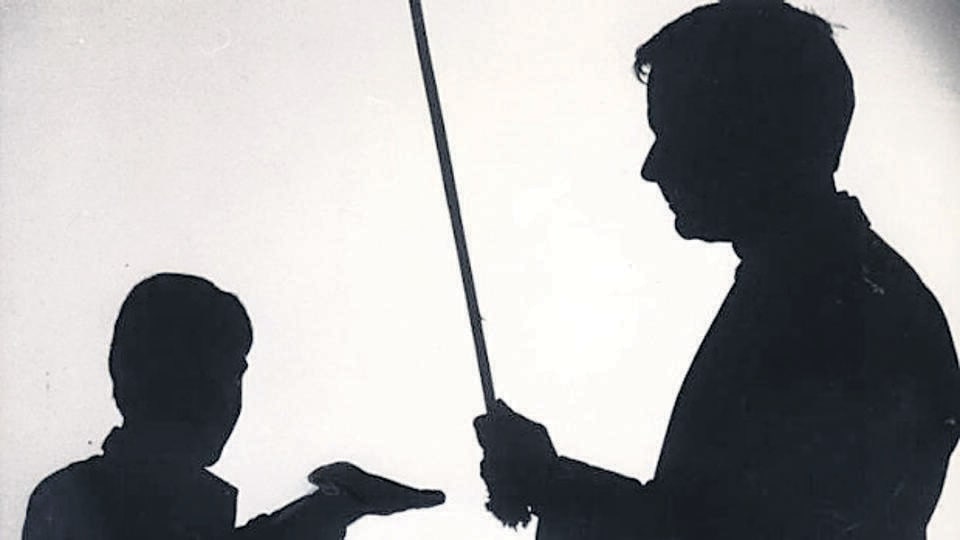
Thanks to all the psychological research, work by child rights activists and the media, there has been a shift away from corporal punishment over the last two decades. However, it still exists, and the long-term mental health consequences for those who faced it years ago continue to show up in their adult life. There was a time when it was considered normal for caregivers to use physical punishment to discipline their children, as a result very often, a client would tell me that they don’t even think about the impact it had on them. At the same time, when they begin to tell stories and experiences from their childhood, the immediate, short term, and long-term effects it had on their physical, emotional mental health begin to show up. In therapy sessions, more men than women talk about the physical punishment that they received as a child. While clients across age groups talk about this, it is more common for those who are in their 30’s and older to bring it up.
For children who were at the receiving end of physical punishment, the emotional scars continue to linger and the trauma of it shapes their personality, inter-personal relationships, and their self-esteem. As a therapist, I see a pattern of self-loathing, shame, and a lingering feeling that ‘I’m not good at anything’ for adults who have been victims of corporal punishment. Even when they are doing well, they can’t savor or really enjoy the good in their life because they feel that someone will soon discover their mistake and they will be punished. As a result, many of them end up being people pleasers, struggle with setting boundaries and continue to remain fearful. It’s important to remember that for many children who were hit either by one or both parents, being obedient children, keeping quiet, people pleasing, served as a survival mechanism to avoid getting punished. As a result, they unconsciously carry these patterns into their adult years, because they feel powerless and helpless.
The act of feeling unsafe around a parent, impacts the child’s psychological safety and their attachment, as a result these children in school and even as they grow up may struggle with trust, forming close relationships, remain hypervigilant for possible danger and even blame themselves completely when things don’t work out. We now do have research papers and clinical evidence indicating that physical punishment is associated with increased aggression, anti-social behavior, higher possibility of anxiety, depression, and impulsiveness. We also need to remember that both in the short term and long term, corporal punishment doesn’t serve a purpose other than inciting fear and damaging a child’s emotional wellbeing.
If you were at the receiving end of physical punishment, allow yourself the permission to grieve and acknowledge the impact it had on you. Make a choice to share so that your pain feels seen, heard, and validated by a significant other. We do have evidence that adults who choose to process the hurt, deal with the trauma can learn effective ways of coping interpersonally and moving towards better self-esteem and self-compassion.
If as a parent, you use physical punishment with your children, I would ask you to reach out to mental health professionals and learn effective ways of discipline and work on your own concerns. At a societal level, we need to work with people across classes, to help create awareness about the impact of physical punishment and provide resources, techniques about alternative ways to discipline children.
Creating a world where our children feel physically and psychologically safe is a responsibility that we need to work towards, collectively.


