
 E-Paper



Woman with long-term exposure to pigeon droppings and feathers undergoes lung transplant
The lung transplant took place at Global Hospital, Parel, in August. The patient was lucky enough to get a donor match after a short wait, and was discharged on October 1 after a hospital stay of one and a half months. Doctors say she was in reasonably good health when she was discharged


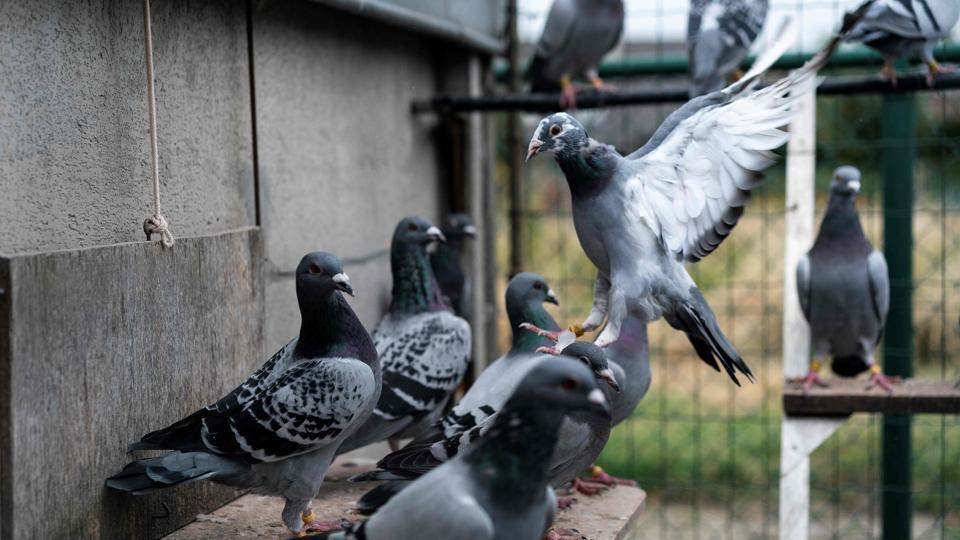
Mumbai: Prolonged exposure to pigeon droppings caused a 64-year-old house help working in South Mumbai to develop a rare lung disease leading to breathing difficulty over the years. Recently, she had to get both her lungs transplanted.
The lung transplant took place at Global Hospital, Parel, in August. The patient was lucky enough to get a donor match after a short wait, and was discharged on October 1 after a hospital stay of one and a half months. Doctors say she was in reasonably good health when she was discharged.
The patient had told the doctors that she had to clean up terraces and windows littered with pigeon droppings and feathers very often. After several years of doing this, she gradually developed breathing difficulty which deteriorated further with time. In 2016, she was finally diagnosed with hypersensitivity pneumonitis, or Interstitial Lung Disease (ILD) which affects one or two people in every hundred thousand. She was put on home-based oxygen therapy in 2019 but as her condition showed no signs of improvement, she consulted Dr Chandrashekhar Kulkarni at Global Hospital in February this year.
“She was in a very critical situation and weighed only 40 kg. As she was weak, undernourished and had greatly compromised lung health, the only option was a lung transplant,” said Dr Kulkarni, the lead lung transplant surgeon at the hospital.
Dr Kulkarni said that ILS leads to inflammation of the lung tissues due to long-term exposure to certain allergens. This inflammation limits the amount of oxygen one can take in. Since the symptoms manifest much after the exposure, the diagnosis is also delayed in a lot of cases.” Dr Kulkarni added that the incidence of ILD was rising exponentially in India. “The loss of green cover, and the fact of pigeons and birds nesting in building terraces and AC vents is responsible for this,” he pointed out.
After the patient’s condition was fully diagnosed, she was registered with the Zonal Transplant Coordination Center (ZTCC) in April. Fortunately, a suitable donor was found in early August and she underwent a bilateral lung transplant surgery on August 10. A long ICU stay later, she was discharged on October 1.
The patient’s family said they were not aware of the severity of her condition or even the fact that it was caused due to pigeon droppings and feathers. They also expressed gratitude towards the deceased donor and his family. “We are thankful to the donor family who took the courageous decision of donating their loved one’s organs during their time of grief,” said the daughter of the patient.
Dr Kulkarni feels that this case also highlights the need for more people to come forward and pledge their organs for donation. “Currently, in Mumbai, the requirement for lung transplant donors alone is thrice that what is available. Skilled doctors for organ transplant surgeries are readily available but organs and organ donors are not,” he said.
His team mate, senior pulmonologist Dr Samir Gade, agreed. “End-stage lung disease patients are usually condemned to live with their condition in the absence of the transplant option. In this patient’s case, she was fortunate to get the option in Mumbai. She withstood the surgery very well and we knew she would require a long stay in the ICU as she was malnourished and underweight due to long-standing disease. We put her on an exercise and physiotherapy program early on in the post-operative recovery period. Although she will need long-term follow-up, the condition will be easy to manage medically now that the transplant is done,” he added.
Dr Vivek Talaulikar, Chief Executive Officer, Global Hospital, said that Mumbaiites earlier had to either travel to cities like Hyderabad and Chennai or wait for consultants from there to come to Mumbai for organ transplant surgeries. “That is why we focused on creating a comprehensive program offering lung transplants in Mumbai, which includes trained transplant pulmonologists, transplant surgeons, critical care staff, physiotherapists and trained nursing staff. Multiple bilateral lung transplants have already been conducted at the hospital,” he added.
Stay updated with all the Breaking News and Latest News from Mumbai. Click here for comprehensive coverage of top Cities including Bengaluru, Delhi, Hyderabad, and more across India along with Stay informed on the latest happenings in World News.


