
 E-Paper



Ghaziabad: Dengue cases rise from 5 to 23 in two days
The district nodal officer, Senthil Pandian C, has directed the departments concerned to find out waterlogged areas and take special surveillance in areas where such cases have surfaced in the past three years.


Ghaziabad has been seeing a sharp rise in dengue fever cases for the past two days, with the total tally going from five on Friday to 23 on Sunday. The district has also reported eight cases of malaria this season so far, officials said on Sunday.
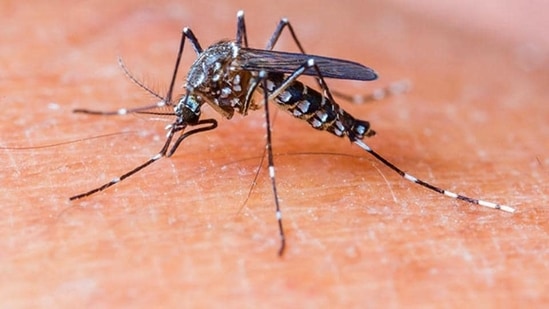
The district nodal officer, Senthil Pandian C, has directed the departments concerned to find out waterlogged areas and take special surveillance in areas where such cases have surfaced in the past three years.
“Apart from 23 dengue patients in Ghaziabad, we also have nine patients from outside districts. We are seeing such patients in private hospitals too. Indirapuram and Vasundhara have reported five cases of dengue till date... There are eight cases of malaria in the district so far,” said Dr Rakesh Gupta, district surveillance officer.
Teams from the malaria department, local bodies and urban primary health centres are working hard to track cases at the earliest, said the officials. “As soon as we get information, the departments concerned are notified so that they can start fogging, sanitising, distributing medicines, and preparing slides... Even the integrated command and control centre (ICCC) is working in coordination... About patients from outside districts, the respective districts are also notified the same day,” Dr Gupta added.
Pandian C said that he has reviewed the dengue and malaria cases in the district and held several meetings with the departments concerned. The district has come up with a micro plan in which work areas and allocation of resources are defined, he said, adding that their primary objective is to source identification on two criteria.
“First, the source should be identified on the basis of recurrent cases which have occurred in an area in the past three years. Secondly, possible waterlogged areas should be identified so that departments concerned can work in coordination. I have asked them to ensure that the micro plan is strictly followed,” Pandian added.
According to official records, the district recorded 621 cases of dengue in 2016, which gradually declined over the years, but is seeing a rise now. 128 cases of malaria were also reported in the district in 2016, which increased to 293 in 2017, and have been on the decline, with eight such cases being reported this year.
Meanwhile, officials have identified high-risk localities for dengue, and these include parts of Indirapuram, Vasundhara, Nehru Nagar, Vaishali, Khoda, Rajendra Nagar, Pratap Vihar, Nandgram, Karhera, Arthla, Akbarpur-Behrampur and Sudamapuri. The high-risk areas for malaria include mostly rural blocks in Loni, Bhojpur and Muradnagar.
Stay updated with all the Breaking News and Latest News from Mumbai. Click here for comprehensive coverage of top Cities including Bengaluru, Delhi, Hyderabad, and more across India along with Stay informed on the latest happenings in World News.


