
 E-Paper



Trans-Hindon localities identified among high-risk for vector-borne diseases
In 2016, the district recorded 621 cases of dengue, according to official records , that gradually declined over the years to just five till date in 2021


The Ghaziabad health department identified Indirapuram, Vasundhara, Vaishali and parts of Sahibabad as among areas susceptible to dengue, while six other areas were identified as high-risk for malaria. To curtail the spread of the diseases, the department has asked Covid surveillance teams to join in the effort.
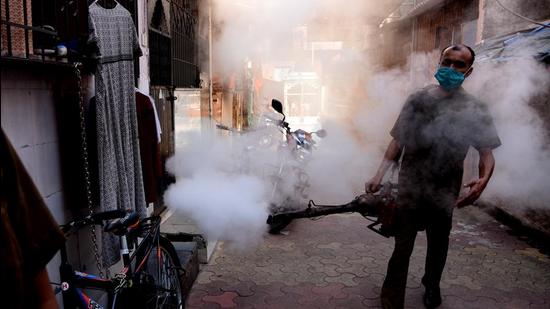
The department said that they mapped the areas through special surveillance for the mosquito-borne diseases.
In 2016, the district recorded 621 cases of dengue, according to official records , that gradually declined over the years to just five till date in 2021. Likewise, there were 128 cases of malaria in 2016 that increased to 293 in 2017 and have been on the decline since with this year recording six cases till date. The monsoon months, from June to September, are particularly favourable for mosquito breeding.
“Localities of Indirapuram, Vaishali and those close to river Hindon and the Yamuna have been identified as high-risk for vector-borne diseases,” said Dr Rakesh Gupta, district surveillance officer. “Parts of Muradnagar, Loni and even area close to ponds have also been identified as high-risk for malaria. For special surveillance, we have roped in teams from the Covid testing to help in testing for the vector-borne diseases. We are also taking help of other departments as well.”
The localities identified as high-risk for dengue include parts of Indirapuram, Vasundhara, Nehru Nagar, Vaishali, Khoda, Rajendra Nagar, Pratap Vihar, Nandgram, Karhera, Arthla, Akbarpur-Behrampur and Sudamapuri while those identified as high-risk for malaria, include mostly the rural blocks in in Loni, Bhojpur and Muradnagar, said officials.
The officials said that the localities have been identified after analysing data from these regions over the last five years.
Experts say that heavy waterlogging, especially in low-lying areas this monsoon season may result in spread of vector-borne diseases. Heavy waterlogging was reported from Indirapuram, Vaishali, Sahibabad, Patel Nagar, Govindpuram, Gandhi Nagar and delta colonies like Brij Vihar, among others, over the last few days.
“In severe cases, these diseases may result in multi-organ failure. There has been incessant waterlogging in different parts of the city, and this may lead to spread of vector-borne diseases. So, it is vital that all preventive measures be taken up by the health department and even by residents,” said Dr Ashish Agarwal, president of Indian Medical Association (Ghaziabad chapter). “Apart from vector-borne diseases, we also have many cases of viral fever.”
The health department officials said that they have been able to bring down cases of dengue and malaria with rigorous efforts over the years.
“This has been possible due to special drives that we take up every three months. Early detection and tracking help in controlling the spread. Further, under Covid-19, the weekend closure of markets also helped as we could deploy massive sanitisation measures at public places,” said GK Mishra, district malaria officer. He added that the district is not affected by kala-azar, filarial and Japanese encephalitis.

Stay updated with all the Breaking News and Latest News from Mumbai. Click here for comprehensive coverage of top Cities including Bengaluru, Delhi, Hyderabad, and more across India along with Stay informed on the latest happenings in World News.


