E-Paper



14 daily wagers ‘rescued’ from bonded labour in Goa
For now, the contractor has agreed to pay them the difference in wages, but if found guilty, he will have to pay further compensation

 Prefer HTon Google


Fourteen daily wagers employed by a contractor for undertaking railway double tracking work at Quepem in South Goa were “rescued” from bonded labour by the sub divisional magistrate, based on a complaint by the National Adivasi Solidarity Council from Telangana.
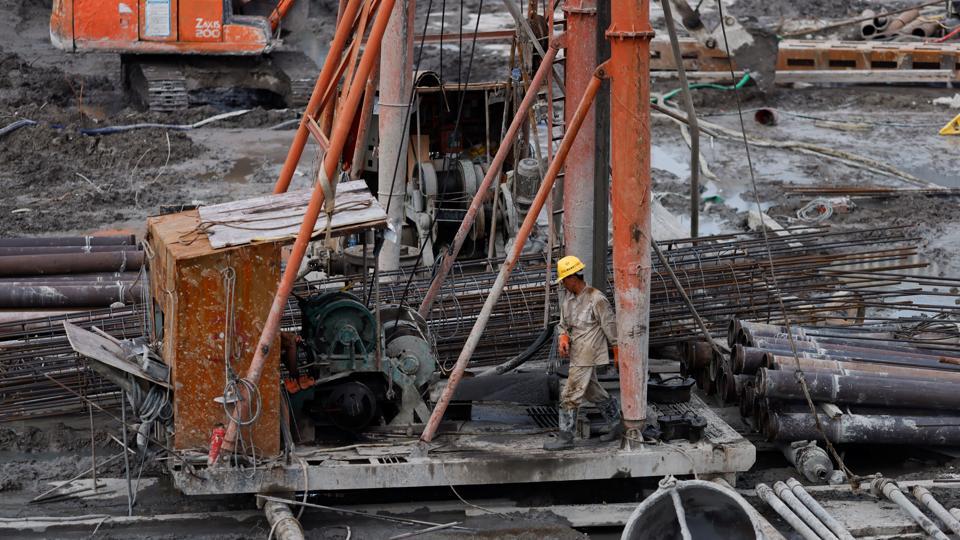
The labourers who were employed to work on the doubling of the railway track from Vasco to Karnataka, which is being staunchly opposed by environmental and anti-coal activists, were found to be staying next to railway track in unhygienic conditions, without proper shelter and toilet.
“Some of the labourers were found to be as old as 72 years. The labourers complained about not receiving minimum wages, restrictions regarding returning home, no ESI - Provident Fund,” Arun Pandey of Anyay Rahit Zindagi, the NGO that was involved in their rescue, said.
Also Read | Strengthening socio-economic rights of women in the informal economy
The labourers were living along with their children in the makeshift shanties beside the railway track and there were no facilities either for them or for their children. Including children, the number of people at the camp was 19.
Speaking to HT, Vasudev Rao of the Telangana-based National Adivasi Solidarity Council said that the sub divisional magistrate has filed a report before the collector and further legal action is being pursued.
“We work with the SC/ST and adivasi people in Telangana and during our work we were informed that these labourers were kept in bonded labour conditions. So we initiated action with the help of the local NGO and complained to the district magistrate,” Vasudev told HT.
A group of labourers who is underpaid and not allowed to visit home qualifies as bonded labour.
The contractor who had arranged the labourers on behalf of Track and Towers Infratech Ltd has been booked and is being proceeded against as per the law, authorities said.
For now, the contractor has agreed to pay them the difference in wages, but if found guilty, he will have to pay further compensation.