
 E-Paper



Aapada Mitras to the Rescue: U.P. CM launches scheme to curb drowning incidents by 20%
GS Naveen Kumar, the relief commissioner in Lucknow, outlined the primary goal of the CM’s Bal Ranveer Yojana, which is to achieve a remarkable 20% reduction in drowning incidents.


LUCKNOW In an effort to combat drowning incidents across the state, Uttar Pradesh chief minister Yogi Adityanath has unveiled the “Mukhyamantri Bal Ranveer Yojana.” This comprehensive training scheme, according to a statement from the Relief Commissioner’s office, seeks to equip government rescue and relief workers with the skills and knowledge necessary to prevent drowning incidents.
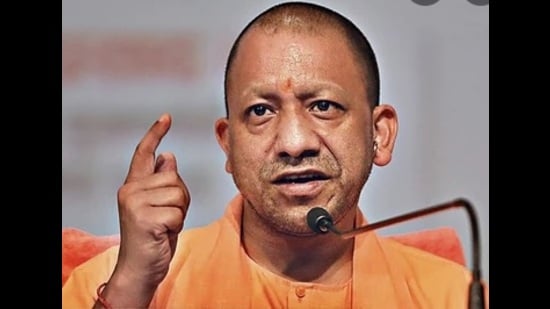
GS Naveen Kumar, the relief commissioner in Lucknow, outlined the primary goal of the CM’s Bal Ranveer Yojana, which is to achieve a remarkable 20% reduction in drowning incidents. To realise this vision, the program will leverage the expertise of key organisations, including the National Inland Navigation Institute, the National Disaster Response Force (NDRF), the State Disaster Response Force (SDRF), the Provincial Armed Constabulary (PAC), and the education department.
Under this initiative, 120 “Aapada Mitras,” individuals dedicated to disaster response and selected by the National Disaster Management Authority, will receive specialised training in drowning rescue missions. Once their training is completed, these skilled individuals will be strategically deployed in flood-prone regions, at major festivals, and in other accident-prone areas where their expertise is most needed.
Moreover, the program will extend beyond rescue efforts to include the identification of flood-prone and submerged areas, the installation of informative signboards, and a concerted effort to raise awareness about water safety through the Aapada Mitras.
GS Naveen Kumar emphasised the commitment to drowning prevention saying, “Rules on drowning prevention will be incorporated into the school curriculum, with regular evaluations at each stage. Additionally, maps and warning boards will be strategically placed at identified snakebite areas.”


