
 E-Paper



Chhattisgarh: Gaudham Yojana soon for cattle care, rural jobs, organic farming
Gaudhams will be built only on government land with fencing, cattle sheds, water, and electricity. The draft has been approved by the finance and livestock departments

 Prefer HTon Google


Raipur: The Chhattisgarh government is set to launch the Gaudham Yojana, a scheme focused on livestock safety, breed improvement, and rural employment generation through organic farming, fodder development, and cow-based industries, a statement issued by the government on Saturday said.
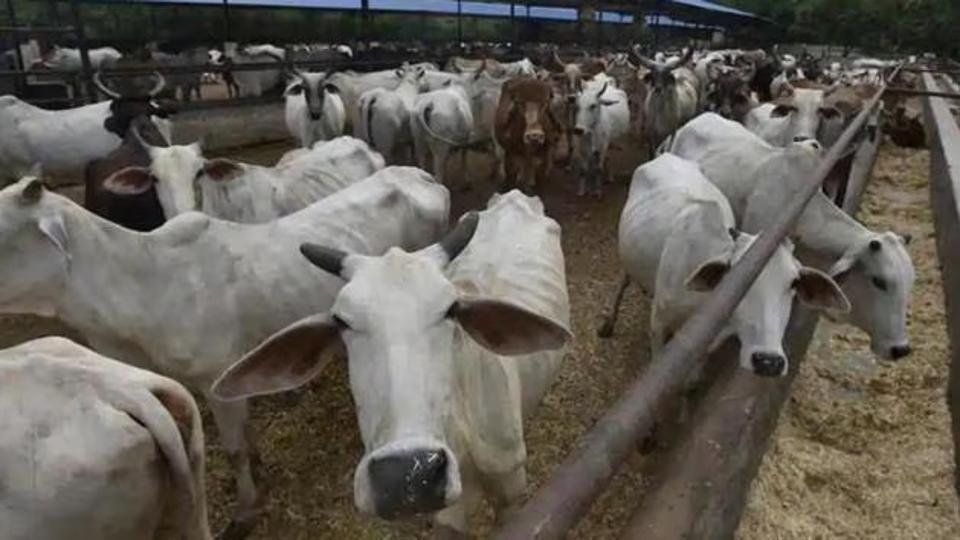
According to government officials, the scheme is structured to ensure proper care of stray and abandoned cattle, while also providing a regular income source to cowherds and cattle attendants. The draft has already received approval from the finance and livestock development departments.
“It will boost organic farming, expand fodder production, and generate rural employment — strengthening the village economy. In the coming years, Gaudham Yojana will make Chhattisgarh a leading state in livestock conservation and rural development,” chief minister Vishnu Deo Sai said.
Under the scheme, cowherds (charwaha) will be paid a monthly honorarium of ₹10,916, while cattle attendants (sevak) will receive ₹13,126. A fixed daily allowance will also be provided for fodder. Outstanding Gaudhams will earn daily per-animal payments starting at ₹10 in the first year, increasing to ₹35 by the fourth year.
Also read: Chattisgarh: 4 cows, 10 calves found dead in Balodabazar-Bhatapara, case filed
Gaudhams will be built only on government land, with secure fencing, cattle sheds, water supply, and electricity. Where infrastructure already exists, adjoining pastureland will be earmarked for fodder cultivation. If a registered cowshed committee declines to operate a Gaudham, NGOs, voluntary organisations, farmer producer companies, or cooperative societies may apply.
The first phase will cover rural areas along major national highways. District-level committees will screen applicants and forward names to the Chhattisgarh Rajya Gau Seva Aayog for approval. Only stray and abandoned cattle will be housed, with priority given to registered cowsheds for management.
Also read: Restrictions imposed to prevent spread of lumpy skin disease among cattle
Each Gaudham will also serve as a training hub to promote cow-based farming and teach villagers to make products such as vermicompost, pest repellents, ‘cow wood’, gonoil, lamps, tooth powder, and incense sticks. Assistance of ₹47,000 per acre will be provided for fodder cultivation, with ₹2.85 lakh earmarked for five acres.
The livestock development department said the scheme also addresses the care of cattle seized from illegal transportation or smuggling, ensuring they are scientifically protected and conserved.
-kW0H-U20214218012MgB-250x250%40HT-Web.jpg)


