E-Paper



Delhi Jal Board plans separate drinking, treated wastewater supply
This initiative, part of the new Master Plan, seeks to enhance efficiency and reduce dependence on drinking water for non-potable purposes.

 Prefer HTon Google


With demand continuing to rise and no significant additional freshwater supply expected from under-construction dam projects anytime soon, the Delhi Jal Board is planning to expand the reuse of treated wastewater in upcoming residential projects.
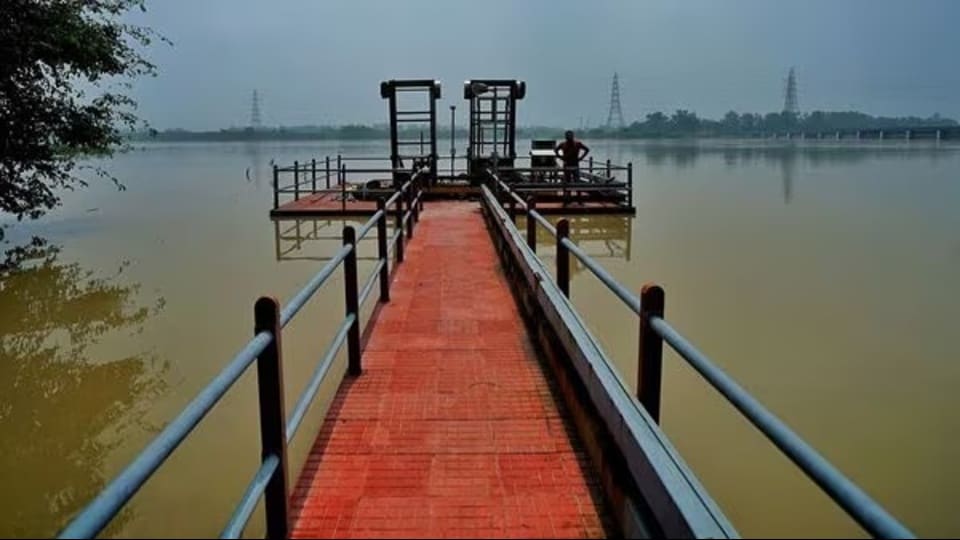
The move is expected to be a key part of the water strategy under Delhi’s new Master Plan.
A senior DJB official said the board is exploring a dual-pipeline system in which potable water would be supplied separately for drinking and bathing, while further-treated wastewater would be used for non-potable purposes such as flushing toilets and washing clothes and utensils.
Also Read | Delhi plans steep farmhouse water charges to curb groundwater use
“We are planning to set up a tertiary water treatment unit for further water purification of the treated water coming from STPs. We will further treat this water to inland water quality level and supply it for flushing and similar purposes. The first pilot will be carried out in Narela,” the official added.
Delhi’s water demand is estimated at around 1,250 million gallons per day (mgd), while the supply remains short by about 250 mgd. The focus is shifting towards reducing dependence on drinking-quality water for activities that do not require it.
Under the proposed system, the second pipeline would carry treated water meeting much stricter quality standards, with BOD and total suspended solids (TSS) targeted at around 3 mg/L. While the water would not be meant for drinking, officials said its improved quality would make it suitable for a range of household uses currently dependent on freshwater.
Also Read | Treat waterlogging in Delhi like a ‘disaster’, directs LG; NDMC chief apologises
The acceptable TSS level for drinking water should be less than 1 mg/L.
A DJB official said that there are three dam projects on Yamuna tributaries in various stages of development. “In any of these cases, extra water is unlikely to come before 2032-33; therefore, we will have to keep exploring ways to increase water availability till that period,” the official added.
DJB is set to introduce the Reclaimed Water Policy, 2026, with the government also likely to sharply increase charges for water supply to farmhouses to encourage the use of treated wastewater and reduce dependence on groundwater, HT reported on Tuesday. The policy aims to make treated sewage a reliable resource for non-potable requirements and promote water reuse instead of relying on fresh water or groundwater.
Also Read | Delhi Jal Board given 4 weeks to reply on rainwater harvesting systems allegations
Delhi currently treats around 750 mgd of sewage. After accounting for environmental flows, around 483 mgd is available for reuse, but only about 120 MGD is currently being reused, largely for irrigation. This leaves nearly 363 mgd of treated water with potential for wider beneficial use. Under the policy, reclaimed water will progressively replace potable water and groundwater for construction, horticulture, landscaping, washing, industrial cooling, flushing, agricultural irrigation, dust suppression, water bodies and other non-potable uses.