
 E-Paper



Winter over, this February could be among the warmest: IMD
According to IMD data the maximum temperature recorded on Wednesday at the Safdarjung weather station, considered to be the official marker of the city, was 30.4°C, seven above the season’s normal.


The temperature in the national capital hit the 30 degree Celsius mark in February at its earliest point in 15 years, the India Meteorological Department (IMD) said, as the winter comes to a close in Delhi, with temperatures forecast to rise for most of the month. Data maintained by the weather department shows that the maximum temperature last crossed 30°C in the first half of February in 2006.
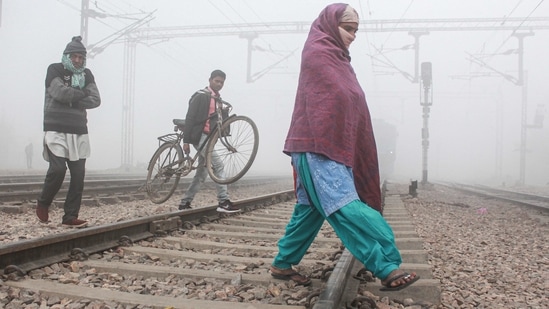
According to IMD data the maximum temperature recorded on Wednesday at the Safdarjung weather station, considered to be the official marker of the city, was 30.4°C, seven above the season’s normal.
To be sure, experts at the weather office said the early spike in temperature was neither “unusual” nor necessarily indicative of an abnormally warm month, or summer.
On Thursday, the maximum temperature dipped again and reached 26.1°C, three above the season’s normal, while the minimum was 9.6°C. Scientists, however, said this fall in temperature would be temporary and predicted that the mercury will rise again. In fact, between February 13 and February 21, the maximum temperature is expected to scale above the 30°C-mark again.
February 2006 also holds the record for the highest maximum temperature for the month, when the mercury in the Capital touched 34.1°C on February 26, nearly 11 degrees above normal.
IMD records show that the mean maximum temperature for February is 23.9°C, and the mean minimum is 10.4°C.
IMD scientists said that while this February has seen a rising trend in the temperatures earlier than previous years, Wednesday’s spike in mercury was caused by the impact of a western disturbance, which also led to a change in wind direction.
Kuldeep Srivastava, head of IMD’s regional weather forecasting centre, said there were clear skies over Delhi on Wednesday, and winds were blowing from the south-west.
“Winds from this direction are generally warmer, which impacted the temperature,” Srivastava said.

“Though touching 30°C is not unusual for February, temperatures have not been rising this early in the month. For the remaining part of the month too, we do not foresee any drastic fall in temperatures or any sign of cold wave or cold days being recorded,” another senior IMD scientist said.
The scientist also clarified that early recordings of high temperatures was not indicative of the month being headed as the warmest in the last few years.
“The exact picture of whether this could feature in the list warmest February months, will have to be seen once we take the MMTs (mean maximum/minimum temperatures),” he said.
Meanwhile, pollution levels also deteriorated on Thursday. Recordings by the Central Pollution Control Board (CPCB) show that the overall air quality index (AQI) in Delhi was 330, in the ‘very poor’ zone.
On Wednesday, the AQI had improved to the ‘poor’ range, clocking 291 in the AQI scale. Union ministry of earth science’s air quality monitoring centre, System of Air Quality and Weather Forecasting and Research (Safar), forecast said that the AQI levels are expected to remain in the ‘very poor’ zone in the coming days. An improvement is only seen after February 15, according to Safar.


Stay updated with all top Cities including, Bengaluru, Delhi, Mumbai and more across India. Stay informed on the latest happenings in World News along with Delhi Election 2025 and Delhi Election Result 2025 Live, New Delhi Election Result Live, Kalkaji Election Result Live at Hindustan Times.


