
 E-Paper



HC order is surprising & unfortunate: All India Muslim Personal Law Board on Gyanvapi survey
The communique quotes Dr SQR Ilyas, AIMPLB spokesperson, as saying that the HC decision was against the law and principle of secularism.

 Prefer HTon Google


LUCKNOW The Allahabad High Court order to allow an Archaeological Survey of India (ASI) survey of Gyanvapi premises is surprising and unfortunate, said the All India Muslim Personal Law Board (AIMPLB) in a press statement on Saturday. It added that AIMPLB, along with the Muslims of the country, are deeply disappointed with the order.
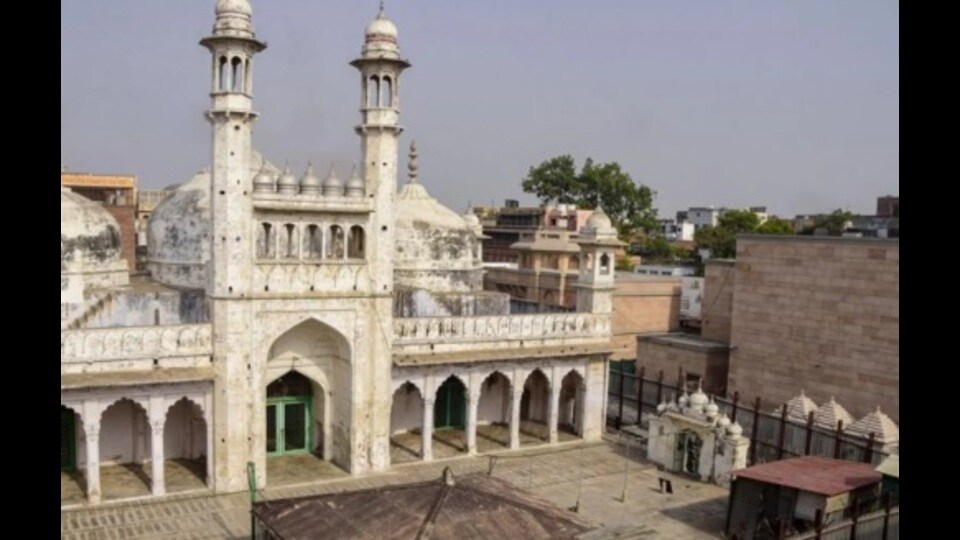
The communique quotes Dr SQR Ilyas, AIMPLB spokesperson, as saying that the HC decision was against the law and principle of secularism. It was expected that the Supreme Court would interfere in the matter as it is related to giving an opinion contrary to the existing religious character of the religious place, especially when the SC has already explained the ambit of the Places of Worship Act of 1991 in its Babri Masjid judgment.
When the Places of Worship Act was enacted by the Parliament, the whole country was assured that it would block the path for every other dispute after the Babri Masjid case. This Act clearly states that law “prohibits conversion of any place of worship and to provide for the maintenance of the religious character of any place of worship as it existed on August 15, 1947.”
From a district court to the Supreme Court, the judgments have been unanimous to allow some survey which is bound to create new conflicts and quarrels apart from it being contrary to the objectives of 1991 Act. He said that, in the past, in the survey conducted by the ASI at the site of the Babri Masjid, the traces of the pillars of the temple were said to have been ‘found’ but the Supreme Court, in its final judgment, made it clear that the Babri Masjid was not constructed by demolishing any temple. No such evidence was found.
The spokesperson of the Board further said that in the previous survey, a Shivling was claimed to have been ‘found’ at the fountain of the Gyanvapi mosque and Muslims were prevented from performing ablution. The lower court has repeatedly said that the aim is not to damage the structure of the mosque but to ascertain what lies beneath the mosque. The question that arises is what purpose will it serve.
AIMPLB and Muslims at large fear that this survey may pave the way for a fresh dispute which could be stopped at this stage by applying the 1991 Act and its interpretation already available in the Babri Masjid judgement, according to the release issued by Dr Mohd Vaquar Uddin Latifi, office secretary of the board.


