E-Paper



Heat, insects damage 50-75% of guava crop in Ganga Katri region
A combination of intense heat and widespread insect infestation damaged 50%- 75% of guava crop from the Ganga Katri region of Unnao and Kanpur this season, leading to a substantial reduction in crop yield of the prized fruit, according to the growers in this belt

 Prefer HTon Google


A combination of intense heat and widespread insect infestation damaged 50%- 75% of guava crop from the Ganga Katri region of Unnao and Kanpur this season, leading to a substantial reduction in crop yield of the prized fruit, according to the growers in this belt.
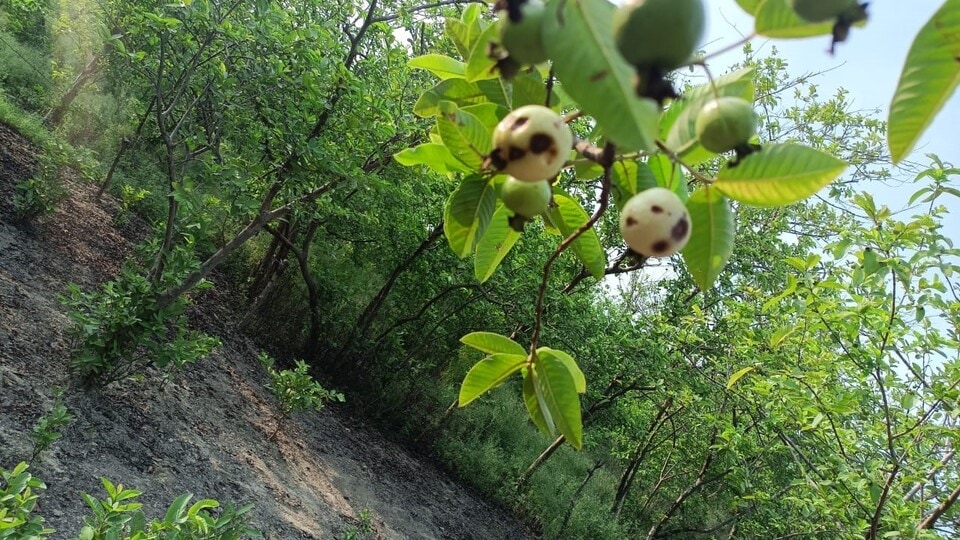
To salvage some of the remaining harvest, the farmers have resorted to using chemicals for the first time.
Kanpur and Unnao are the largest producers of guavas in Uttar Pradesh. The crop is predominantly grown within a 100-km radius between Unnao and Kanpur, including areas such as Ganga Katri, Bithoor, Chaubeypur and Pariyar.
Recent studies indicate that the yield in this region is approximately 422 quintals per hectare.
Ravi Nishad, a guava producer from Ludhvakhera village, reported that the crops in neighboring villages were damaged by up to 75%. He attributed this loss to two main factors: the intense heat caused many guavas to fall before ripening, and the subsequent rain led to severe insect infestation. Ashok Nishad, a farmer from Durgapurwa, added that guavas affected by insects are considered unusable.
Local farmers had never used insecticides before but were compelled to use them this year to protect their crops, he said.
“Scientists of the Chandra Shekhar Azad University for Agriculture visited our orchards and insisted that insecticides be used; otherwise, the crops would not survive,” Ashok Nishad said.
Govind Pradhan from Unnao stated that using insecticides was a poor decision for farmers, as they also cultivate vegetables like bottle gourd, okra, eggplant, and ridge gourd in their orchards. Irrigating these vegetables significantly benefits the guava crops.
Vivek Tripathi, head of the horticulture department at CS Azad University, explained that when guavas are in their unripe stage, fruit flies penetrate the fruit and lay eggs. These eggs remain dormant until the fruit ripens, at which point they transform into larvae. While the exterior of the guava may appear normal, the inside becomes damaged, he said.
Professor Ankit Upadhyaya from the department of entomology noted that the situation has been serious. He suggested that fly traps have emerged as an effective solution for farmers, and the application of insecticides has significantly helped manage the problem.