
 E-Paper



HT Interview: ‘Need to streamline civic services in Gurugram’
Cleanliness is one of my top priorities. If elected, I will ensure that garbage is collected on time in every neighbourhood, including urban sectors and villages. I will also push for better waste segregation, stricter penalties for illegal dumping, and public awareness programs to encourage responsible waste disposal

 Prefer HTon Google


Gurugram: The Bharatiya Janata Party’s (BJP) pick for the mayor’s post in the Municipal Corporation of Gurugram (MCG), Rajrani Malhotra, has been campaigning aggressively in the run-up to the civic polls, promising better infrastructure, improved sanitation and a corruption-free administration. Backed by senior BJP leaders, including Union minister Rao Inderjit Singh, she has pledged to ensure holistic development across both urban and rural sectors. Edited excerpts:
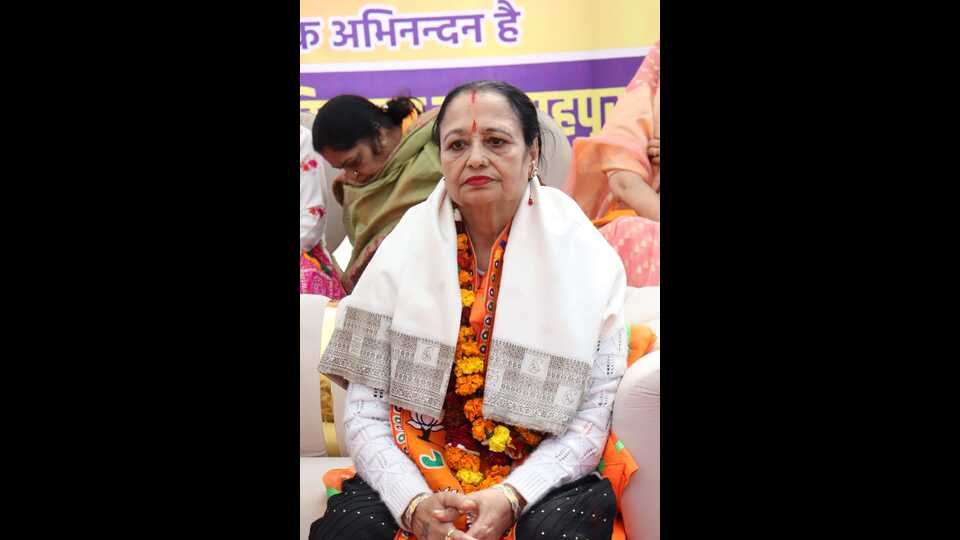
What motivated you to contest the election, and how does your experience align with the responsibilities of this role?
My decision to contest is driven by my deep-rooted connection with Gurugram. Having been actively engaged with party activities alongside my husband, who served as the BJP’s district president, I have witnessed the city’s challenges and aspirations. I have spent years working for the empowerment of women, for social welfare programs, and grassroot-level governance, and now I want to translate that experience into progress for Gurugram. My priorities are good governance, transparency and delivering results that improve the lives of residents.
BJP has been in power in Gurugram for years. What will you do differently to address civic issues?
Though significant progress has been made under the BJP’s leadership -- especially in terms of infrastructure and smart city initiatives -- there are persistent challenges that need urgent attention. Sanitation, waste management, water supply, and urban planning require stronger execution and accountability. My approach will be to streamline civic services, implement strict monitoring mechanisms and work closely with Resident Welfare Associations (RWAs) and local bodies to ensure development.
Sanitation remains a major concern, with garbage dumping and irregular waste collection creating health hazards. How do you plan to tackle this?
Cleanliness is one of my top priorities. If elected, I will ensure that garbage is collected on time in every neighbourhood, including urban sectors and villages. I will also push for better waste segregation, stricter penalties for illegal dumping, and public awareness programs to encourage responsible waste disposal. I also plan to expand the waste-to-energy project to reduce landfill dependence and introduce mechanised sweeping of roads for cleaner spaces.
Bandhwari landfill remains a major environmental concern. How will you address it?
Bandhwari landfill is a pending issue that needs immediate intervention. I will focus on fast-tracking the waste processing plant’s expansion, increasing composting facilities, and exploring alternative waste disposal solutions. We will work with environmental experts to implement eco-friendly waste management policies and introduce incentives for sustainable practices in housing societies and industries. I am committed to resolving the landfill issue at the earliest.
Residents often complain about encroachments, broken roads, and poor drainage. What is your plan for infrastructure development?
Infrastructure development has been a key focus of the BJP government, but there is still work to be done. If elected, I will ensure encroachment-free roads and public spaces through strict enforcement of regulations. A dedicated road repair and maintenance cell will be created to fix potholes, resurface damaged roads, and improve drainage. Road widening, better traffic management, and improved street lighting across all wards will be implemented to ensure safety for all.
There are allegations that corruption has hampered civic development. How will you ensure transparency in governance?
Corruption erodes public trust and stalls progress. I will introduce an e-governance model, ensuring that all municipal contracts, projects, and fund allocations are made transparent. A public grievance redressal system will be put in place so that residents can track the status of complaints in real-time. I will also work to ensure regular audits of municipal projects so that public funds are utilised efficiently.
Traffic congestion remains one of the biggest problems in Gurugram. What steps will you take to improve mobility in the city?
Traffic congestion is a daily struggle for Gurugram residents. If elected, I will focus on fast-tracking flyover and underpass projects at key intersections. Strengthening the city’s public transport system by increasing city bus services and last-mile connectivity options will be on the agenda. Smart traffic management systems with AI-based signal monitoring and real-time traffic updates will be introduced to improve efficiency. Strict enforcement of parking regulations will help ease congestion in commercial areas.
With BJP’s stronghold in Haryana, how confident are you about your victory?
BJP has a strong track record of governance in Haryana, and I am confident that voters will support a stable, development-based administration. This election is about trust and accountability, and I believe the people of Gurugram will choose a leader who delivers on promises rather than empty rhetoric.


