
 E-Paper



Kanker Maoist encounter fake, say family members of 3 killed, police deny charge
Kanker SP Elesela denied the allegations and said that this is a standard thing that villagers claim after any encounter

 Prefer HTon Google


Raipur: Two days after Kanker police claimed that they had killed three Maoists in the jungles of Kanker, the family members of the deceased have said they were not Maoists and the encounter was “fake”.
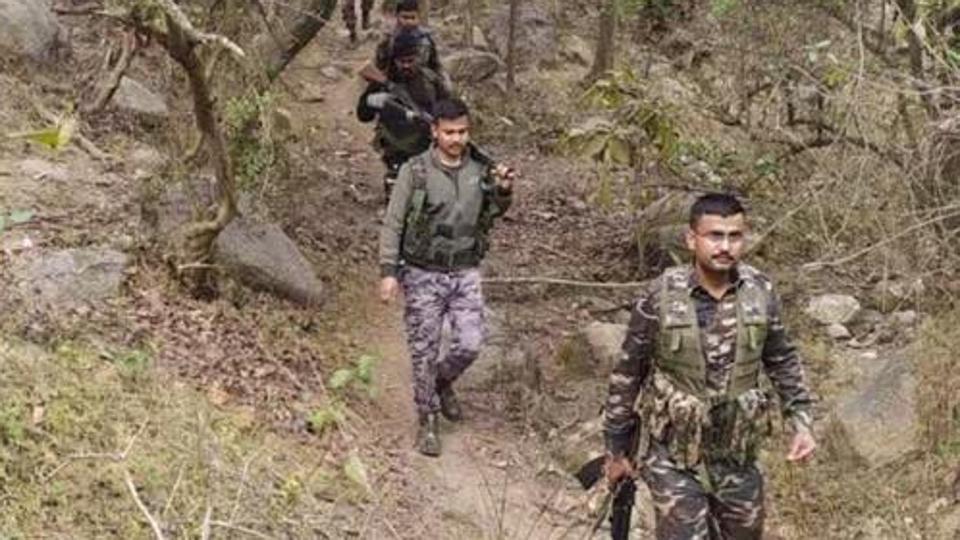
However, Superintendent of Police, Kanker, Indira Kalyan Elesela said the men were Maoists and were gunned down when they were accompanying Raju Salaam, the leader of a military group of the insurgents called, number-5.
On Sunday, Kanker police claimed that they had killed three Maoists in an encounter in a forest in the Koyalibeda area when a joint team of the District Reserve Guard and the Border Security Force was out on an anti-Naxal operation. Police said that encounter took place in the village Bomara Hutarai when the Maoists opened fire on the security forces. Three muzzle loading guns and Maoist material were recovered from the encounter spot.
On Monday, a group of villagers led by the sarpanch or the village head and family members of the deceased staged a protest at the Koyelideda police station, accusing the police of carrying a fake encounter
They identified the deceased as Rameshwar Negi, Suresh Teta, natives of Marda village, and Anil Kumar Hidko, from Pairvi village in the area.
On Tuesday, the villagers also released a video in which Manohar Gavde, the sarpanch of Badargi village under which Marda falls, said that the youths had gone into the jungle to collect tendu leaves.
“Tendu leaf collection season is going to start and for the same purpose the trio had gone to the forest to collect ropes prepared with the barks and stems of trees and other things. They had gone for two days and therefore they were carrying rice and utensils for cooking food,” Gavde said, adding that they were not Maoists and one of the victim’s wives is working with a local aganwadi centre.
Also Read: Security forces gunned down 3 Maoists in Bastar’s Kanker: Chhattisgarh police
“We are simple farmers and only work at our farm and home. My husband was innocent,” Hidko’s wife Surja said.
Teta’s wife also claimed the police staged a fake encounter and her husband was not a Maoist.
Meanwhile, Kanker SP Elesela denied the allegations and said that this is a standard thing that villagers claimed after any encounter.
“ They were in the inner circle of the Raju Salaam when the encounter broke out. Two women carrying automatic weapons were guarding Salaam and one of them sustained injuries. They were with Salaam, who managed to escape. Our team spotted Salaam. After every encounter, such claims are made by local villagers and family members of the deceased under the pressure of Maoists,” he said.
He further said that he is yet to ascertain what the ranks of the deceased were.
“ We are yet to ascertain the rank but they were Maoists,” the SP added.
-kW0H-U20214218012MgB-250x250%40HT-Web.jpg)


