E-Paper



Kaushambi’s Alwara lake to be developed as eco-tourism hub
₹45 lakh allocated for lake’s development. Water-based sports, birdwatching activities to be introduced

 Prefer HTon Google


To boost eco-tourism in the Prayagraj region, Alwara Lake in Kaushambi district is set to be developed as a major eco-tourism destination, officials said.
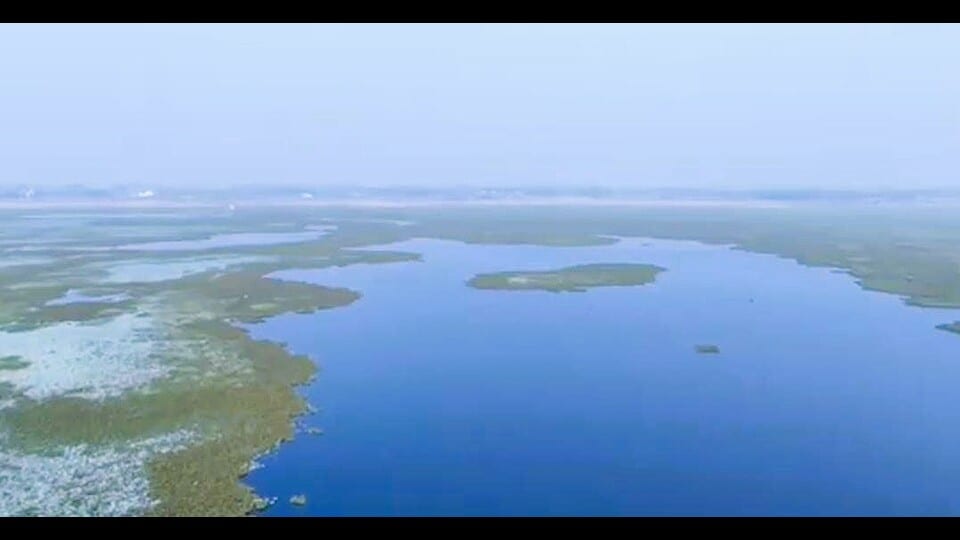
Situated in Alwara village near Manjhanpur, the lake covers more than 400 hectares and holds significant potential for nature-based tourism.
According to Aparajita Singh, regional tourism officer of Prayagraj, the tourism department is planning to introduce water-based adventure sports and birdwatching activities to attract visitors. An initial funding of ₹45 lakh has already been allocated for the lake’s development, she added.
To enhance the visitor experience, a proposal has been submitted to the Uttar Pradesh tourism directorate for the construction of watchtowers, selfie points, a walking path, eco-themed benches, drinking water facilities, and toilets. The plans also include bamboo cottages for tourists wishing to stay overnight.
Officials noted that Kaushambi holds immense historical and spiritual significance. Once the ancient capital of the Kosala kingdom, Kaushambi was a prominent city during the time of Lord Buddha, who is believed to have visited the city six times and delivered several sermons here. The district is home to significant Buddhist heritage sites such as the Ghositaram Monastery, ancient stupas, and the Ashokan Pillar.
By developing Alwara Lake near these heritage sites, officials believe the region can attract both spiritual and nature-loving tourists.
“The integration of Buddhist landmarks with the natural beauty of Alwara Lake offers a unique blend of religious and ecological tourism—promoting spiritual eco-tourism in the region,” said a tourism department official.
Senior scientist Kumud Dubey, who led a 2023 study conducted by the Eco-Rehabilitation Centre under the Indian Council of Forestry Research and Education (ICFRE) in Prayagraj, emphasised the ecological importance of the lake.
“Alwara is a perennial wetland located about 75 km from Prayagraj and 25 km from Manjhanpur. It supports a wide range of flora and fauna, including vulnerable species like the Sarus crane and lotus,” she said.
The lake is mainly replenished by backflow from the Yamuna and rainwater, serving as a vital source for groundwater recharge. It also serves as an important winter habitat for migratory birds, she added.
However, the study highlighted growing environmental concerns which would also need to be addressed. The lake’s natural watershed, spanning approximately 400 hectares, is increasingly polluted due to runoff from nearby villages. Invasive species like water hyacinth (jal kumbhi) have begun to threaten the lake’s biodiversity, the report warned.