
 E-Paper



Maharashtra forms panel to verify status of Uran wetlands
The committee was set under the direction of the Bombay high court (HC)-appointed Konkan wetland grievance redressal and the state mangrove monitoring committee

 Prefer HTon Google


The state government set up a special committee on Wednesday to verify the status of all wetlands in Uran identified under the National Wetland Inventory Atlas (NWIA), Maharashtra 2011.
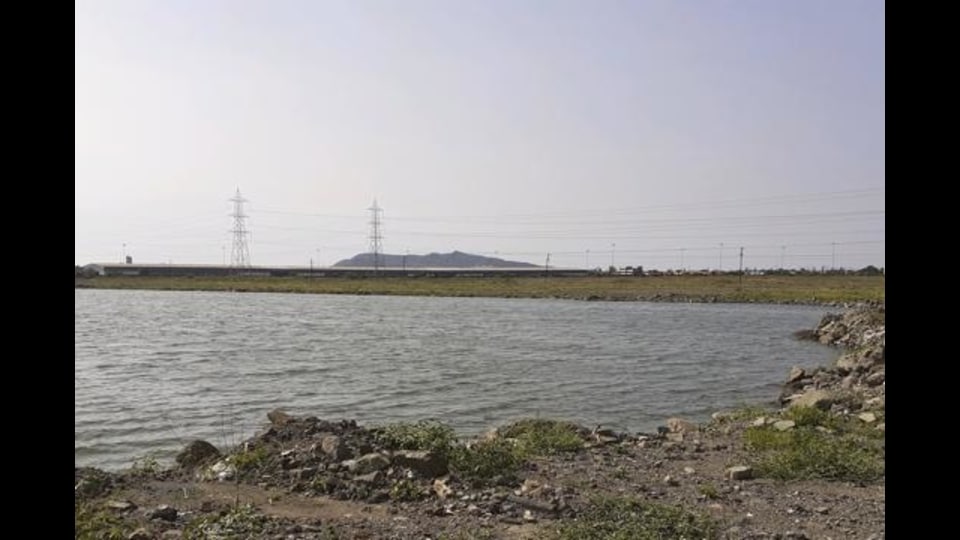
The committee was set under the direction of the Bombay high court (HC)-appointed Konkan wetland grievance redressal and the state mangrove monitoring committee. A notice over the panel was issued by Padmashri Bainade, resident deputy collector, Raigad-Alibag, which HT has access to.
The committee was formed following directions of the Konkan wetland grievance redressal and the state mangrove monitoring committee after the Raigad district administration told the court that there were no wetland sites in Uran taluka.
The committee will be chaired by the sub-divisional officer and will include forest and Cidco (City and Industrial Development Corporation) officials as members. An official from the state department of environment and climate change will be appointed as the panel secretary. D Stalin, director, of NGO Vanashakti, is also a member of the panel.
On December 9, 2020, the Raigad district administration had informed the HC-appointed state mangrove and wetland panel that there were no wetlands in Uran taluka, which has faced numerous cases of environmental violations over the past two years. Bainade had then informed members of the panel that following a detailed verification exercise of 13 areas that had wetland features in Uran, none qualified as a wetland as per the Wetland (Conservation and Management) Rules, 2017.
Days later, the HC-appointed panel directed that a sub-committee be formed to verify the status of all the wetlands in Uran.
“The district administration’s submission to the panel that there were no wetlands in Uran taluka is in contradiction to the Wetland Atlas and Baseline Survey of Birds (January-March 2015) report at the proposed Navi Mumbai International Airport by the Bombay Natural History Society (BHNS),” said Stalin.
The BNHS report highlights that several potential habitats will be destroyed in the near future due to rapid development and land use pattern changes in Navi Mumbai and the adjoining areas in Raigad district, especially due to projects such as the proposed Mumbai Trans-Harbour Link, Navi Mumbai International Airport and the terminal project of Jawaharlal Nehru Port Trust.
Raigad collector Nidhi Chaudhary said, “This committee has been formed under the direction of the HC-appointed panel and has experts from department of environment and police officials. However, none of them are experts on wetlands. If the committee finds that there is a water body with flora and fauna, they will recommend the same. We will then write to the Wetland Authority to verify them as wetlands.”


